NATO chief calls for defence spending surge to avoid 'big war' with Russia

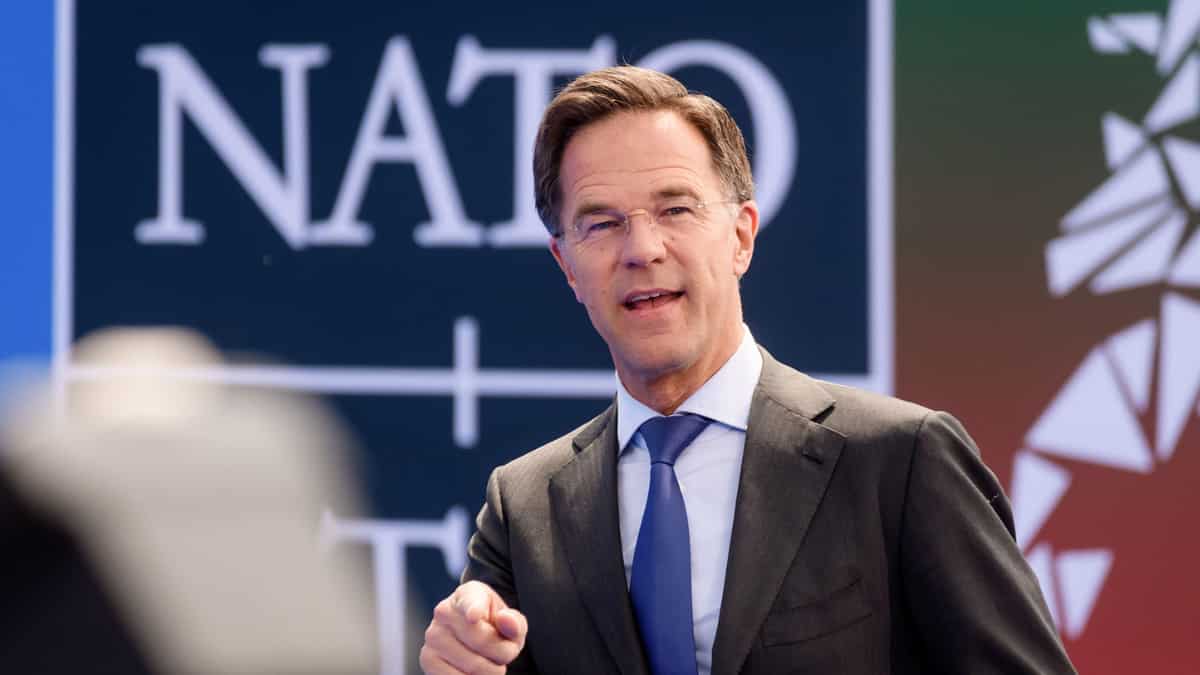
But despite increases in defence budgets, NATO countries still do not match Moscow's arms production.
NATOchiefMark Rutte issued a stark warning Thursday to "turbo-charge"defence spending,saying European nations were not prepared for the threat of a futurewarwith Russia.
"We are not ready for what is coming our way in four to five years," Rutte said in a keynote address in Brussels, his first major speech since taking office asNATOsecretary-general in October.
"Danger is moving towards us at full speed."
Russia'swarin Ukraine has jolted the Western military alliance to strengthen its eastern flank and ramp up spending.
But despite increases indefencebudgets,NATOcountries still do not match Moscow's arms production.
"Russiais preparing for a long-term confrontation. With Ukraine. And with us," Rutte said.
Watch |Donald Trump Invited Chinese President Xi Jinping To Inauguration
"What is happening in Ukraine could happen here, too."
The former Dutch prime minister insisted there was no "imminent military threat", but saidNATOneeded to move "faster and fiercer" to bulk up defences and stave off the risk of future conflict.
"We can prevent the nextbigwaronNATOterritory," he said.
"It is time to shift to a wartime mindset. And turbo-charge ourdefenceproduction anddefencespending."
The plea for action comes asRussiais making gains on the front line in Ukraine against Kyiv's fatigued forces.
"Every day, thiswarcauses more devastation and death. Every week, there are over 10,000 killed or wounded on all sides in Ukraine," Rutte said.
"Over one million casualties since February 2022."
NATO's 32 countries last year set a minimum level fordefencespending of two per cent of gross domestic product.
This year, 23 members are set to reach that figure -- but Rutte insisted the target would need to go up.
"I can tell you, we are going to need a lot more than two per cent," he said.
'Sacrifices'
"Russia, China, but also North Korea and Iran, are hard at work to try to weaken North America and Europe," Rutte said.
"We are not atwar. But we are certainly not at peace, either."
The clarion call comes as Donald Trump readies to take power in the military superpower of the United States.
Trump has toldNATOallies to ramp updefencespending if they want Washington to still have their backs and has mooted a new target of three per cent of GDP.
Diplomats say the alliance is discussing coming up with a new goal at a summit in The Hague in June.
But boostingdefencespending is abigchallenge for some major European economies, with Spain and Italy, still falling well below two per cent.
"If we don't spend more together now to preventwar, we will pay a much, much, much higher price later to fight it," Rutte said.
"During the ColdWar, Europeans spent far more than three per cent of their GDP ondefence. With that mentality, we won the ColdWar."
He urged citizens ofNATOcountries to tell politicians, "You accept to make sacrifices today so that we can stay safe tomorrow."
Despite a raft of initiatives to try to bolster European arms output, Rutte said efforts by Western countries to build up their militaries are far behindRussiaand China.
"We are not where we want to be," said Rutte.
"Russiaand China are racing ahead. We risk lagging. This is very dangerous."
He urged governments to work closer together and place "bigorders and long-term contracts".
Industry needs to "dare to innovate and take risks", and should put in extra shifts and production lines, Rutte said, warning Europe'sdefencesector was "too small, too fragmented and too slow."
Disclaimer: This story has been published from a news agency feed with minimal edits to adhere to WION's style guide. The headline may have been changed to better reflect the content of the story or to make it more suitable for WION audience.

