Mystery of the 'poisoned' schoolgirls in Iran: A case of mass psychogenic illness?

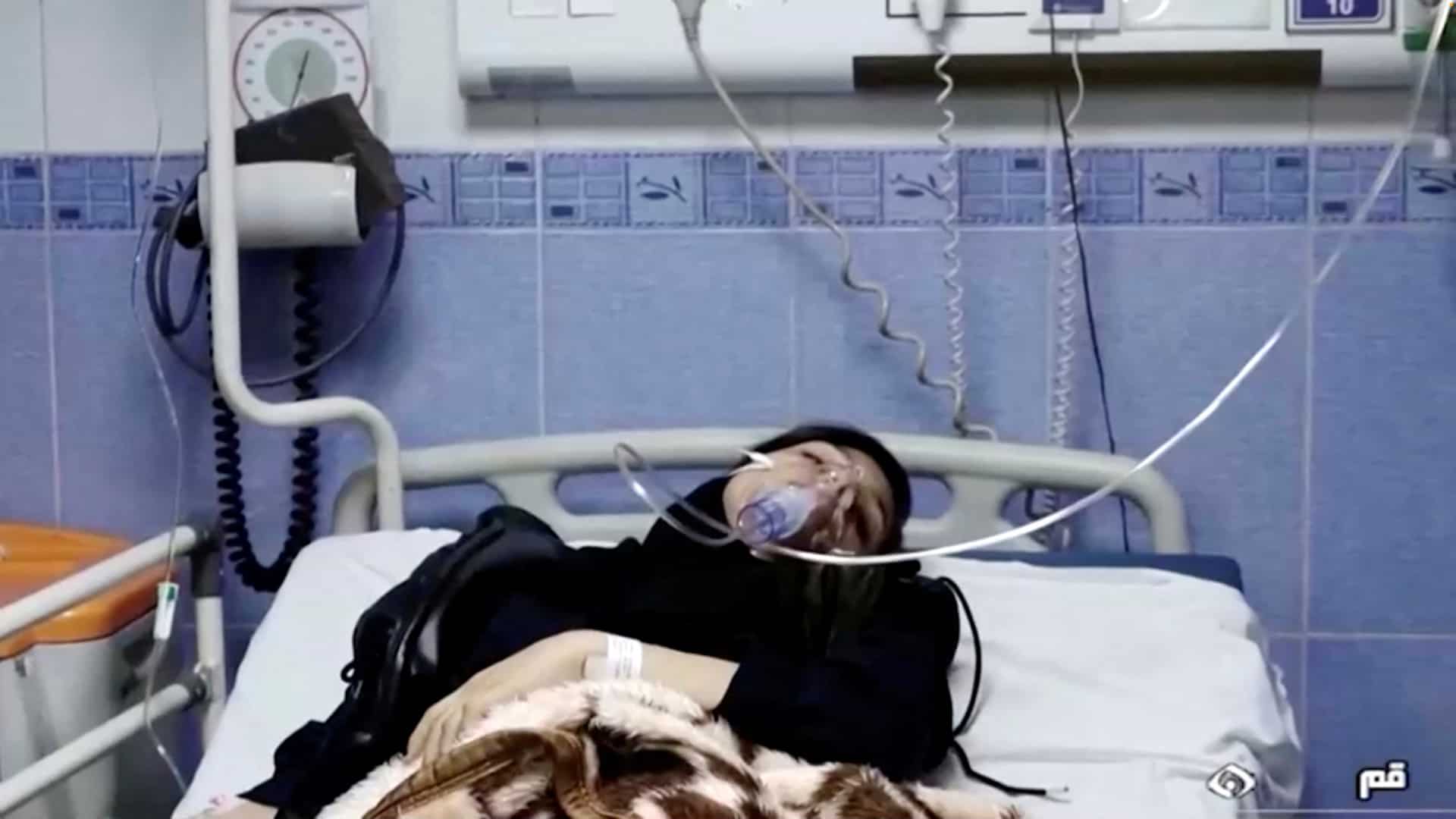
Iran poisoning
A recent report in Psychology Today suggeststhat the alleged "poisoning" of young school girls in Iran may appear to be state terrorism, but might actually bepsychogenic in nature.It followsa pattern: A mass illness, a media frenzy, and accusations of state terrorism.
The reportsays that Iran'scase of "poisoning" should be taken with a pinch of salt asthere is no proof of a poisonous chemical, there have been no fatalities, and almost all sufferers have recovered quickly.
There are startling similarities between the events in Iran, Afghanistan, and the West Bank where female students in Islamic schools have in different time periodsexhibited symptoms likeheadaches, nausea, abdominal pain, and blurred vision, and have faintedand were taken to the hospital.
In line with Iran's "poisoning"case, despite many medical examinations which have included blood testing, Iranian authorities have not made any arrests and been unable to identify a chemical agent.
Expertssay that there is a bigger psychological factor at play. The girls in all three cases - Afghanistan, West Bank and Palestine - were suffering from a mass psychogenic illness, as perPsychology Today.Another study conducted by the World Health Organization that looked at comparable outbreaks at 22 schools nationwide and analysed blood, urine, and water also came to the same conclusion.
In the Israeli-occupied West Bank in March and April 1983, approximately a thousand Palestinian schoolgirls experienced headaches, dizziness, blurred vision, nausea, and weakness.
The incident generated worrying allegations of widespread poisonings and made international news. It gave rise to accusations that the girls had been poisoned by Israeli operatives or extremist civilians.
The outbreak's original instance, which happened at a school, was ultimately linked to a lavatory odour.
However, it was determined by two different studies published in The Lancet that the sickness was psychological. Another examination, which was reported in the American Journal of Psychiatry, concluded that the outbreak was significantly influenced by an Israeli newspaper article in which a writer falsely claimed that some of the sufferers had become blind.
What happened in Iran?
Dozens of schoolgirls in Iran were taken to the hospital on Tuesday following a mysterious poisoning, the most recent in a string of such 'attacks', as reported by AFP.
There have been hundreds of cases of respiratory distress among Iranian schoolgirls in the last three months, mostly in the city of Qom, south of Tehran, with some requiring hospitalisation.
Iran's supreme leader AliKhamenei said on Monday that poisoning of Iranian schoolgirls in recent months is an "unforgivable" crime amid the spread of suspected poisoning across the country with hundreds of girls hospitalised.
"Authorities should seriously pursue the issue of students' poisoning. This is an unforgivable crime... the perpetrators of this crime should be severely punished," Ayatollah Ali Khamenei was quoted as saying by state media.
According to a government official who spoke to the Guardian, the attacks were likely a calculated attempt to compel the closure of girls' schools.
WATCH WION LIVE HERE: