Meet Anna Jarvis, the Mother's Day 'founder' who fought against its commercialisation

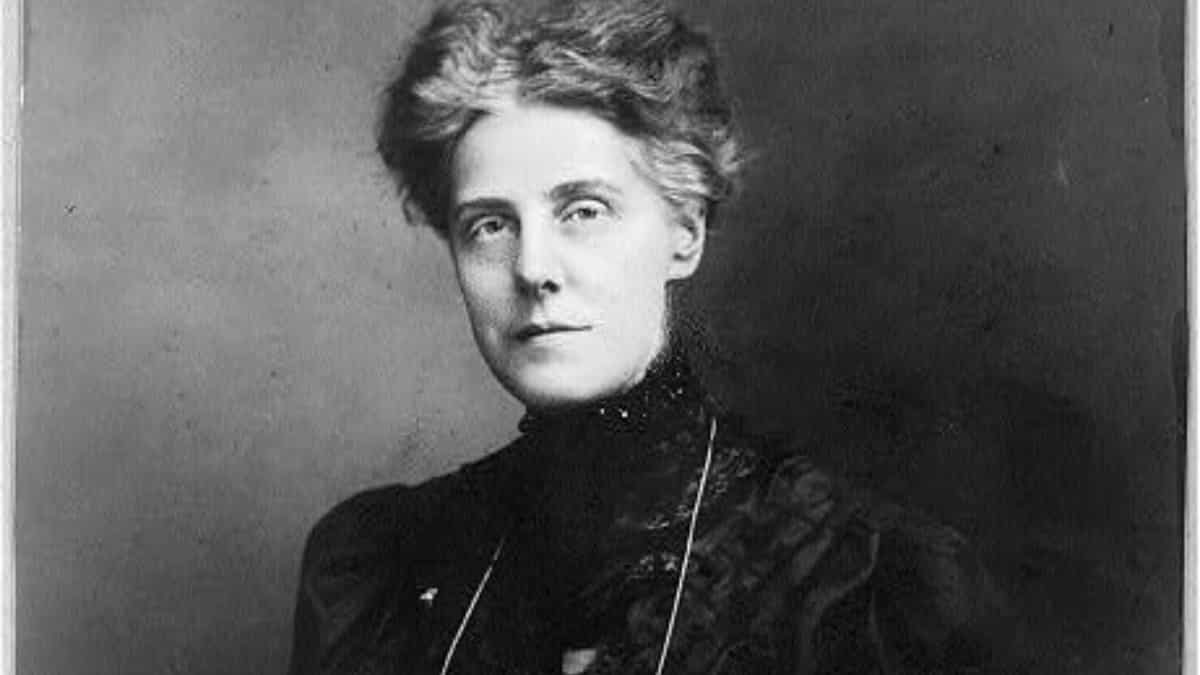
Anna Jarvis | Wikimedia Commons
Mothers Day 2024: The cards have been dispatched, florists are having their time of the year, and you may struggle to find that favourite spot of yours at your most preferred restaurant as the second Sunday of May is here, and with that, it's Mother's Day.
But do you know that the founder of Mother's Day, Anna Jarvis, fought against its commercialisation and even attempted to have it rescinded.
Who was Anna Jarvis?
Anna Jarvis was born in Webster, West Virginia in 1864. She was inspired to create Mother's Day by her mother, Ann Reeves Jarvis, a Sunday school teacher who helped start Mother's Day Work Clubs. At these clubs, the young women were purportedly taught how to care for their children.
History of Mother's Day
Once in 1876, Ann Reeves Jarvis prayed that somebody would create a day commemorating mothers for their service to humanity, according to US historians.
Anna, then just 12, remembered her mother's prayer.
Her mother passed away in 1905.
Also read | World Leaders With Their Moms
Jarvis, then in her 40s, promised at her gravesite that she would be the one to answer her prayer.
Jarvis then wrote letter after letter to the governor of every US state to declare the second Sunday of May, closest Sunday to her mother's death, as Mother's Day.
Three years later, the first Mother’s Day service was held one morning in 1908 at St. Andrew’s Methodist Episcopal Church in Grafton, Wisconsin. Anna bought hundreds of carnations, her mother’s favorite flower, for the service, Washington Post reported.
In 1910, West Virginia passed a law designating Mother’s Day a holiday, and other states followed.
But Jarvis intended to make Mother's Day a national holiday across the United States and she kept on writing to subsequent presidents for the same.
In 1914, the US Congress passed a law declaring the second Sunday of May as Mother’s Day. While Mother's Day became an international cause it was not exactly the one Jarvis had in mind.
Also watch |Mother's Day Special: A day in the life of working mothers
She spent the next decades of her life fighting against flower shop owners, card-makers and the candy industry for profiting off the holiday.
"They’re commercialising my Mother’s Day," she complained in a letter to newspapers, according to a 1986 Washington Post story.
"This is not what I intended."
Jarvis passed away in 1948 without any money or inheritance. She lived as an independent woman who remained single and childless at a time when women were expected to be the exact opposite.
(With inputs from agencies)