
&imwidth=800&imheight=600&format=webp&quality=medium "Author Salman Rushdie's attacker found guilty in federal terrorism trial")
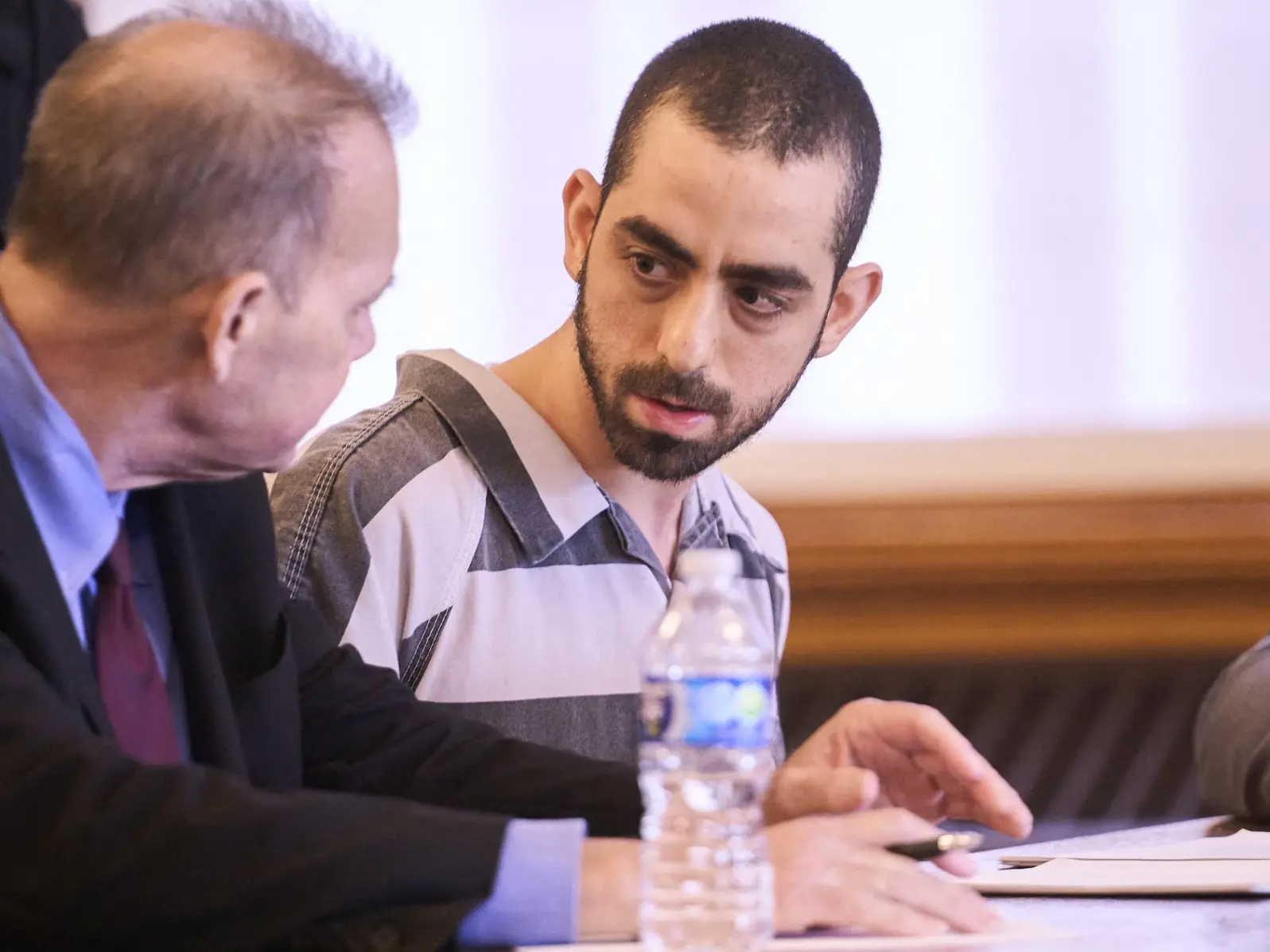
Hadi Matar, the man who stabbed acclaimed author Salman Rushdie during a public event in New York in 2022, was convicted on Wednesday (July 29) of federal terrorism charges linked to the attack, according to US court proceedings.
A federal jury found the 28-year-old guilty on all counts, including engaging in an act of transnational terrorism. The conviction comes months after Matar was sentenced to 25 years in prison by a New York state court for attempted murder over the same attack. He now faces the possibility of a life sentence under the federal case.

Matar declined to testify during the trial. His lawyer, Nathaniel Barone, told the court earlier this week: “At this time, the defence rests.” Federal prosecutors argued that Matar was motivated by extremist ideology and had shared propaganda videos before the attack. They alleged he communicated with an Iran-based individual who claimed to know "where to find Rushdie" and had also asked whether the decades-old fatwa against the author remained in force.
Rushdie was attacked on stage in August 2022 while preparing to deliver a lecture on writers' safety. He was stabbed 15 times before a shocked audience and suffered life-threatening injuries, permanently losing the sight in his right eye. The attack also injured event moderator Ralph Henry Reese.
Testifying during Matar's state trial in February, Rushdie recalled believing he was about to die.
Trending Stories
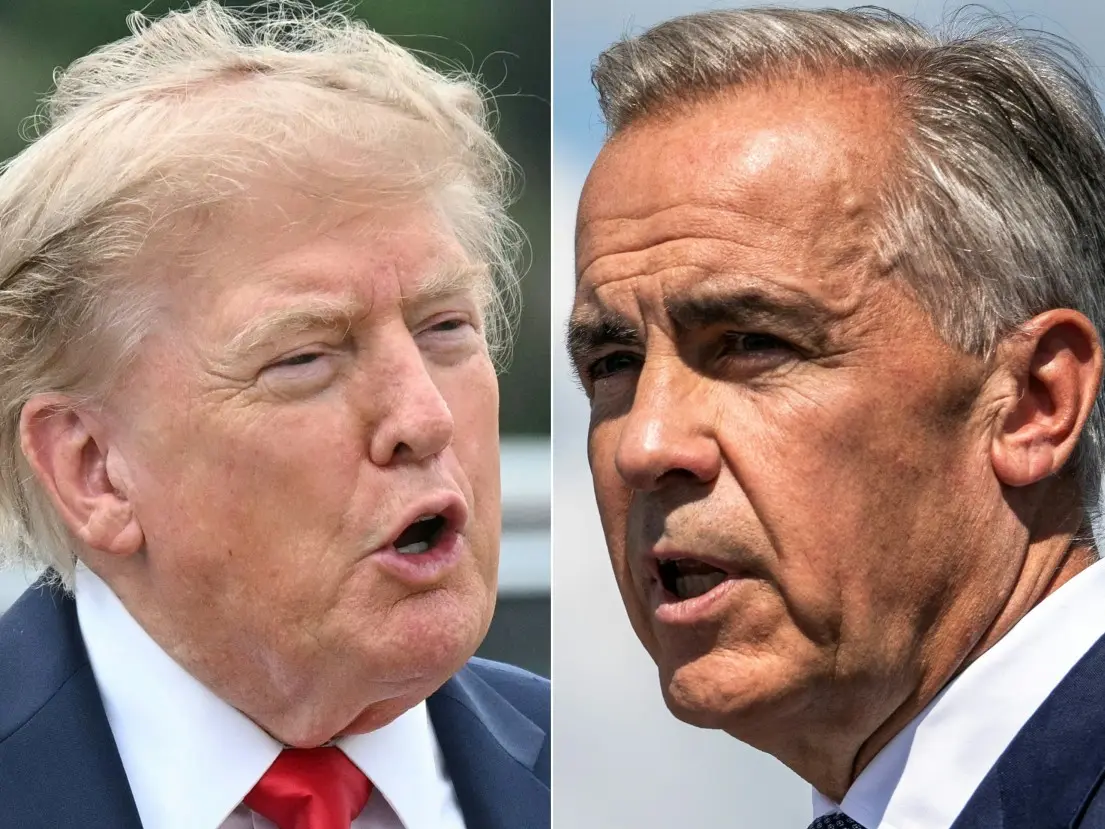)
What’s in a name? Trump’s 'Lake America' move gets a tit-for-tat response from Canada
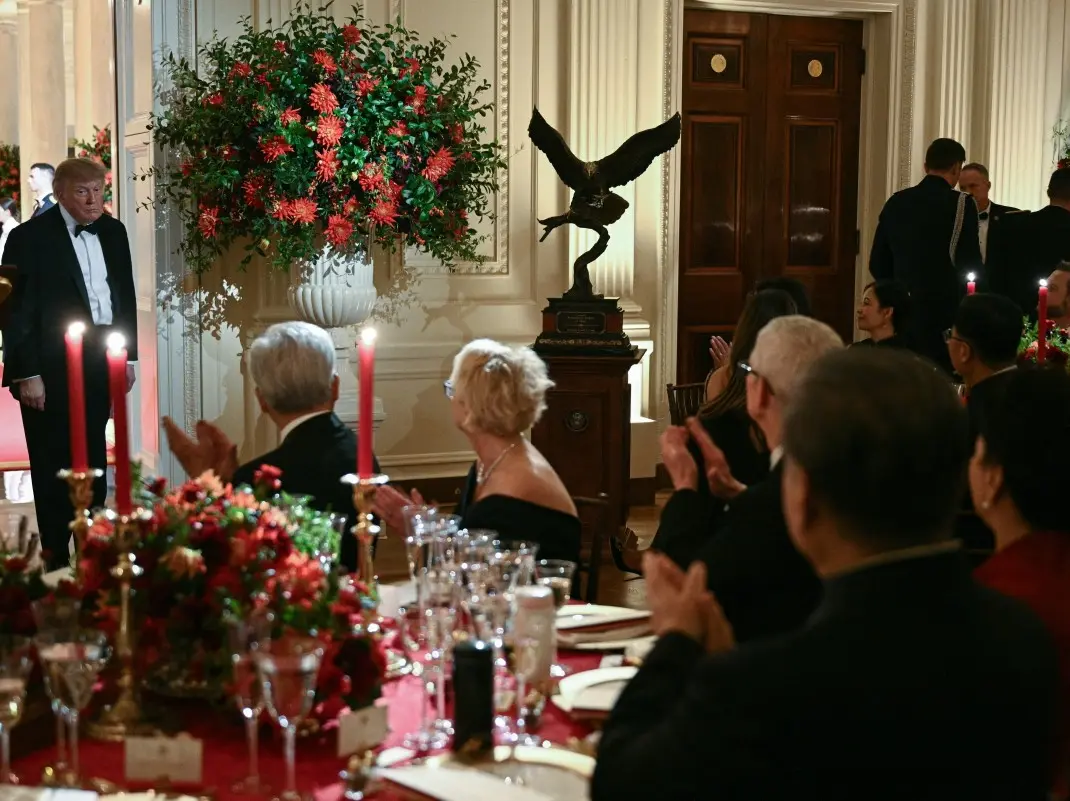)
Trump gifts Xi a bald eagle sculpture at White House dinner: Here’s what it symbolises
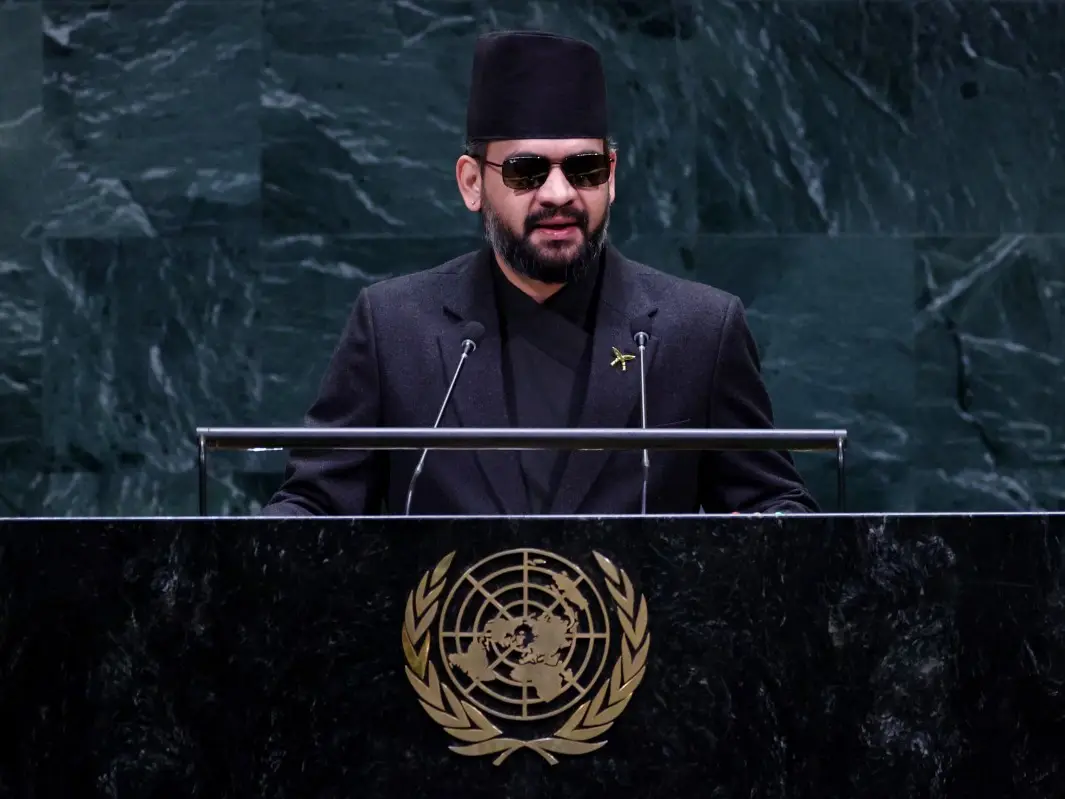)
‘Not just a local tragedy’: Nepal PM Shah warns UN of growing climate threat, says Nepal floods were 'a warning to the world'
)
CNN, Politico and MS NOW back in White House after judge blocks Trump’s media ban
)
Farhan, who went viral for AK47 celebration vs India in Asia Cup, hopes to lead Pakistan beyond Asian Games
)
US judge questions Trump’s decision to ban CNN, MS NOW and Politico from White House
)
'We would all be dead': Netanyahu defends decision to strike Iran's nuclear facilities in his UN speech
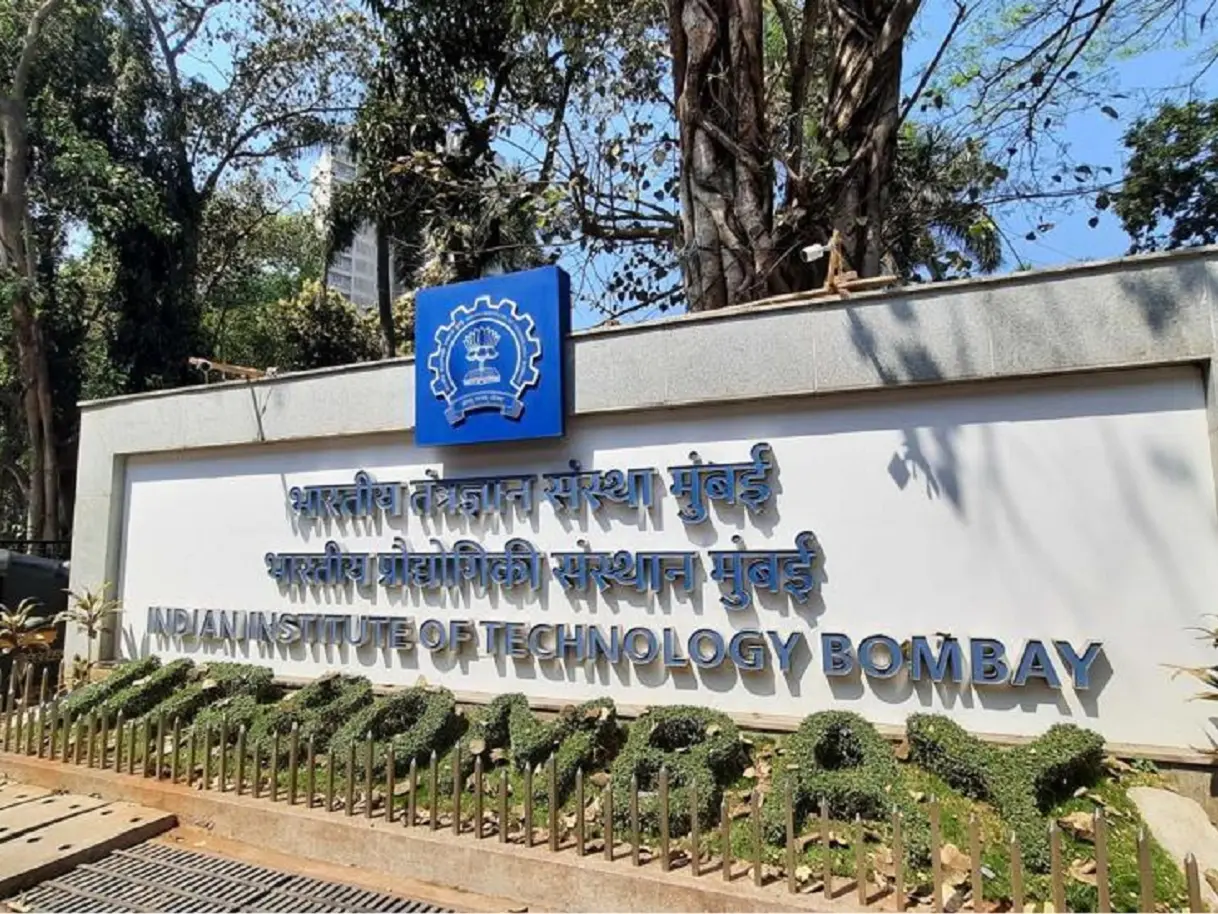)
IIT Bombay CCTV footage emerges: Sahil Wakode seen looking at phone in examination hall
)
Welcome actor Mushtaq Khan dies at 56 after battling cancer
)
Trump's welcome to Xi demonstrates 'attraction' to dictators: Chuck Schumer
)
Nations League: Germany draw on Klopp debut; Portugal, Norway win
)
WION Iconic Tourism Summit 2026: Union Minister Shekhawat on 'experiential travel', peace diplomacy
)
Scientists detect first radio signals directly from faraway planet
)
A seven-day roadmap? Iran proposes plan to end war, reopen Strait of Hormuz and resume nuclear talks
)
China to test supersonic jet that moves at Mach 2, double the speed of sound
)
Xi Jinping's 'special plane' vs Trump's Air Force One: What's the difference?
)
UNGA 2026: Israeli PM attacks Britain, France for past colonialism
)
West Indies coach Sammy looking at India series as opportunity to finetune ahead of ODI World Cup 2027 qualifiers
)
‘We’ve never gotten along better’: Trump praises Xi, jokes about White House ballroom at high-stakes state dinner
)
Nearly half of young people trust AI over humans to check facts, major study finds
)
'Partners rather than rivals': Xi Jinping's first message after landing in US for Trump summit
)
Yemen called Trump for US military support in fight against Houthis: Official
)
2,000-foot tube, laser tests and more: China builds towns to expand nuclear arsenal, satellite images show
)
Meet Adrian Abraham: 9-year-old Indian-origin guitar prodigy aiming for a Guinness World Record
)
US faces fresh cost crunch as mortgage rates hit 7%, oil tops $107 and gas prices surge
)
Trump-Xi state dinner 2026: Who is invited? Full guest list of tech CEOs, business leaders and officials
)
'Blockbuster' nor'easter develops an eye similar to hurricanes as warnings are issued
)
Alarming video emerges as landslide damages houses in Sikkim’s Rimbi village. Watch
)
'Making history': Xi Jinping praises Trump as US-China leaders dine at White House
)
Australian PM Anthony Albanese calls OpenAI AI incident 'unacceptable' after restricted data access
)
'What kind of confession is this?': Pakistan PM Shehbaz Sharif’s 'terrorists would be roaming New York' remark goes viral, raises alarm online. Watch
&im=FitAndFill=(700,400))
Netanyahu at UN: Mass walkout, attack on Mamdani and Iran threats | In Pics
)
'We do not wish to continue. It's America that must choose': Iran president Pezeshkian calls on US to end war
)
WION Iconic Tourism Summit: How local tourism MSMEs must upskill for AI integration
)
Bollywood mourns Mushtaq Khan: Sunny Deol, Rajpal Yadav and others pay tribute
)
EC appointment law: Why is the 2023 act controversial, and what happens next? WION explains
)
Who is Lt-Gen Nauman Mahmood, Pakistan's first secretary general of Makkah Defence Alliance?
)
Israeli envoy to US Yechiel Leiter’s son critically injured in West Bank ramming attack
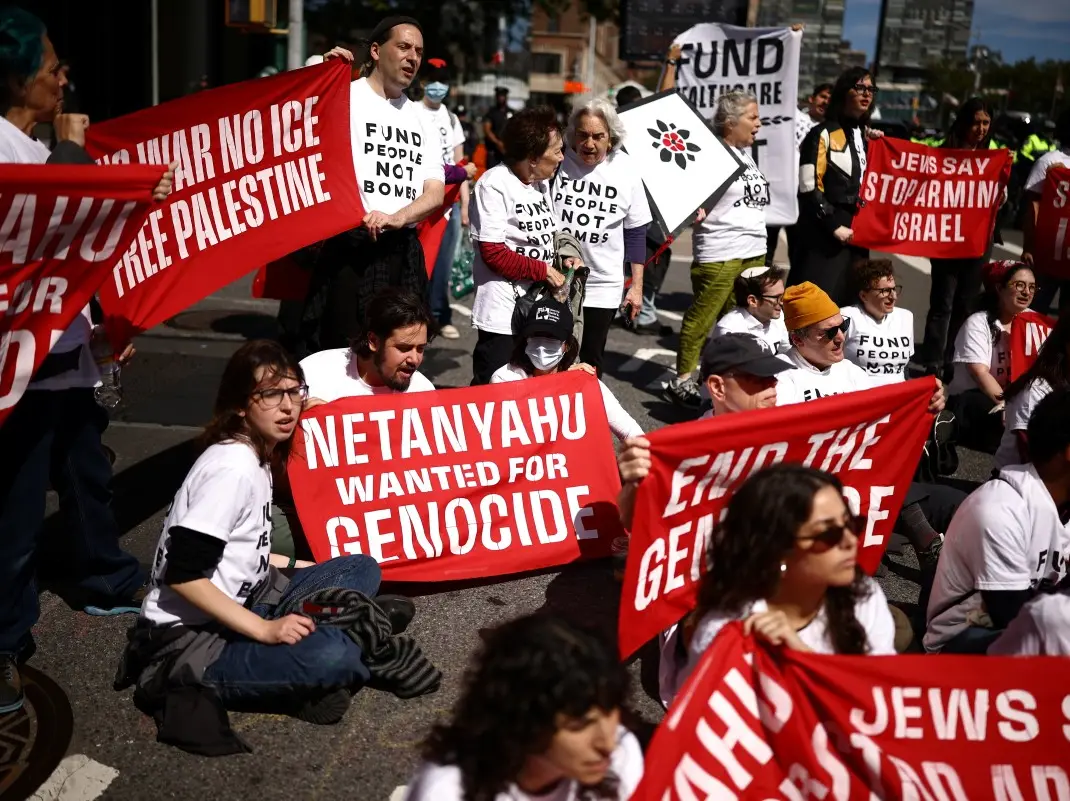)
'Fund people, not bombs': Hundreds take to New York streets as Netanyahu delivers speech at UN; dozens arrested
"I became aware of a great quantity of blood I was lying in. My sense of time was quite cloudy, I was in pain from my eye and hand, and it occurred to me quite clearly I was dying," he told the court.
According to the federal indictment, prosecutors said Matar's alleged motivation stemmed from a 2006 speech by former Hezbollah leader Hassan Nasrallah, who publicly endorsed the fatwa issued against Rushdie by Iran's religious leadership more than three decades earlier.
The fatwa was declared after the publication of *The Satanic Verses*, the novel that sparked widespread outrage among some Muslims, who regarded it as blasphemous. Despite the controversy, Matar admitted after the attack that he had read only "a couple pages" of the book.
Rushdie, who was born in India and later moved to Britain, chronicled the assassination attempt in his 2024 memoir Knife.
Speaking at Tulane University's New Orleans Book Festival in March, Rushdie said writing the memoir helped him return to fiction after the trauma of the attack.
"After I finished writing the memoir, almost immediately, it's like a door in my head opened and the stories came back," he said, adding that he had feared the experience might permanently end his ability to write fiction.
Rushdie also said he wanted to move beyond being viewed solely as a symbol of free speech.
"I don't feel symbolic... I feel actual. I feel like I'm a working writer trying to make his work," he said.

