Malaria vaccine with 'world-changing' potential developed, gives 80% protection

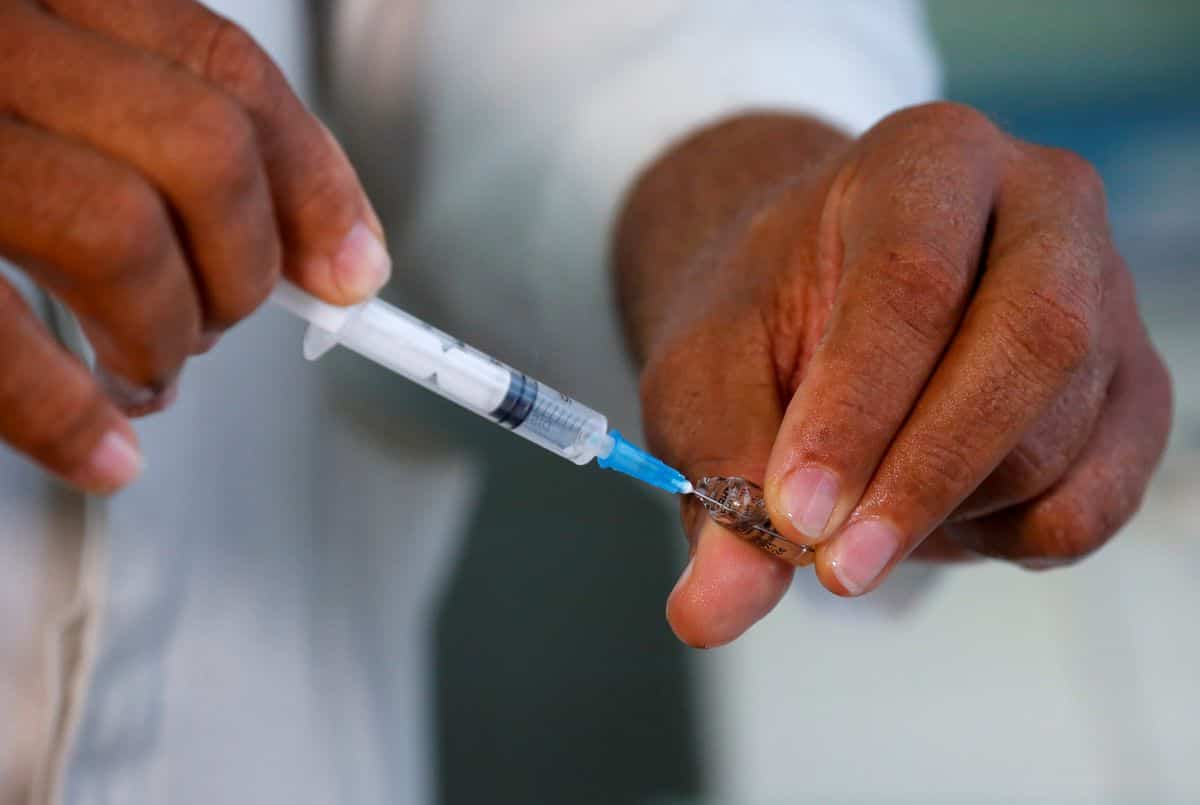
A health agent prepares an anti-malaria injection
Scientists at the University of Oxford have created a malaria vaccine that has the potential to change the world.
The team expect it to be rolled out next year after studies revealed up to 80 per cent protection against the devastating disease. Importantly, according to the researchers, their vaccine is affordable, and they already have a contract to produce more than 100 million doses annually.
Malaria No More, a charity, stated that because of recent advancements, malaria deaths among children may be eliminated "in our lifetimes."
Due to the malaria parasite's extraordinary complexity and elusiveness, which is spread by mosquitoes, it has taken more than a century to create viable vaccinations. It is challenging to develop immunity since it is a dynamic target that changes forms inside the body.
The World Health Organization gave the first vaccination, created by pharmaceutical behemoth GSK, the historic go-ahead to be deployed in Africa last year. However, the Oxford researchers claim their approach is more effective and can be manufactured on a significantly wider scale.
The Lancet Infectious Diseases has released the trial findings from 409 kids in Nanoro, Burkina Faso. It demonstrates how three initial doses, followed by a booster shot given a year later, can provide up to 80 per centprotection.
In the coming weeks, the team will begin the process of getting their vaccine licenced, but the ultimate decision will depend on the outcomes of a larger experiment including 4,800 kids that is due by the end of the year.
The Serum Institute of India, the biggest vaccine producer in the world, has already committed to producing more than 100 million doses annually.
The GSK vaccine that has been given official approval is similar to the Oxford vaccination. Both aim to stop the parasite in its tracks at the beginning of its lifecycle before it reaches the liver and gains a stronghold in the host.
The vaccines are made from a combination of hepatitis B virus and malaria parasite proteins, but Oxford's formulation contains a higher percentage of malaria proteins. This, according to the research team, helps the immune system concentrate on hepatitis rather than malaria.
The GSK vaccine's effectiveness has helped Oxford feel more positive about releasing their own vaccine the following year, for example by determining how practical an African vaccination programme would be.
(with inputs from agencies)