Madagascar imposes curfew in Antananarivo ahead of presidential elections

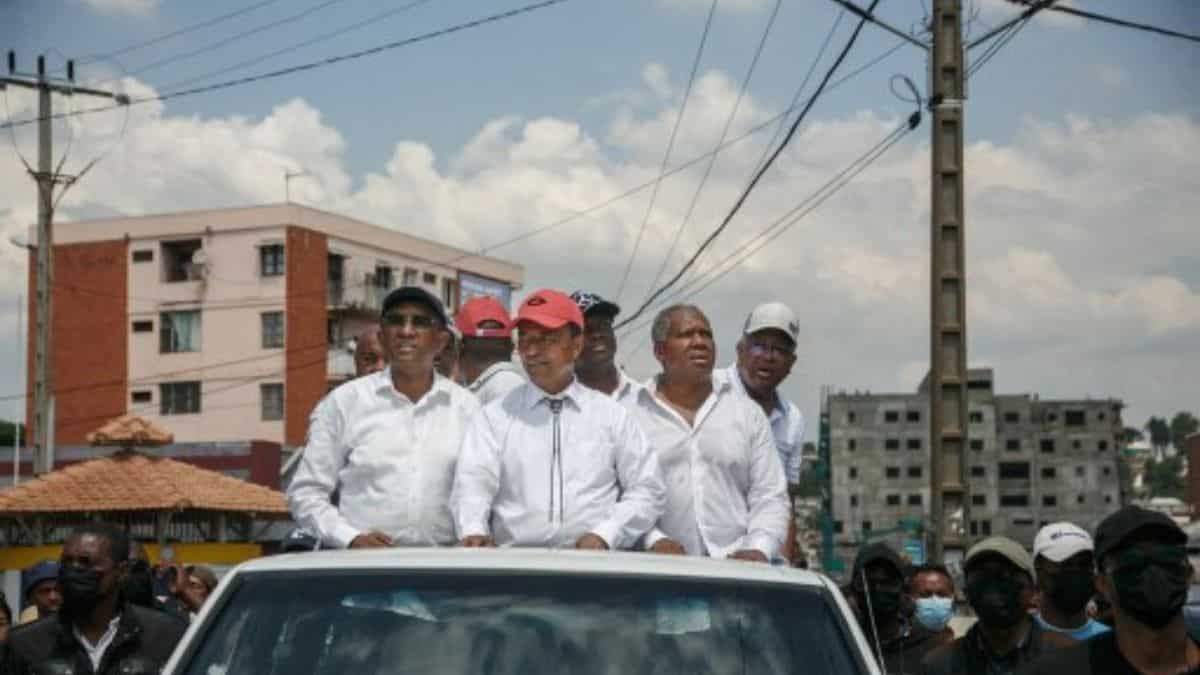
Madagascar imposes curfew in Antananarivo ahead of presidential elections
Amid heightened political tensions, authorities in Madagascar imposed a curfew on Wednesday (Nov 15) a day ahead of the presidential elections scheduled on Thursday (Nov 16), after a majority of opposition candidates boycotted the polls in the country.
Angelo Ravelonarivo, the police prefect in the capital, during a media briefing, said that the decision to adopt the measure was taken after "various acts of sabotage".
It follows "various acts of sabotage" including the "burning of a polling station", he said.
He said that the curfew would come into force at 09:00 pm (1800 GMT) on Wednesday and last until 04:00 am the next day.
The elections are scheduled to open at 06:00 am and close at 05:00 pm on Thursday (Nov 16). This comes after more than a month of staged street demonstrations.
The Indian Ocean island nation has been dazed by a ferocious battle between President Andry Rajoelina, who is running for re-election, and most opposition leaders, who have claimed that an "institutional coup" was in favour of the incumbent.
Opposition candidates call on voters to disregard elections
Out of 12 opposition candidates, nearly 10 on Tuesday (Nov 14), urged the voters to disregard the elections taking into consideration the vote's regularity.
"We appeal to everyone not to vote. Conditions for a transparent presidential election, accepted by all, have not been met," said Roland Ratsiraka, one of the protesting candidates.
"We do not want to participate in this fraud, it is a joke on Madagascar."
Since October, the opposition leaders have illegally staged street demonstrations in the capital city that have on an average drawn a dozen supporters and have been regularly dispersed by police.
Rajoelina, 49, has rebuffed criticism and expressed confidence that he will win another term in the first round.
His government has repeatedly denounced the protests as moved by a "desire to overthrow power" and to "sabotage the electoral process", accusing the opposition of "threatening the stability of the country".
(With inputs from agencies)