US-Iran-Israel highlights: Iran says it is reviewing US response to latest proposal

&imwidth=600&imheight=450&format=webp&quality=medium "US-Iran-Israel highlights: Iran says it is reviewing US response to latest proposal")
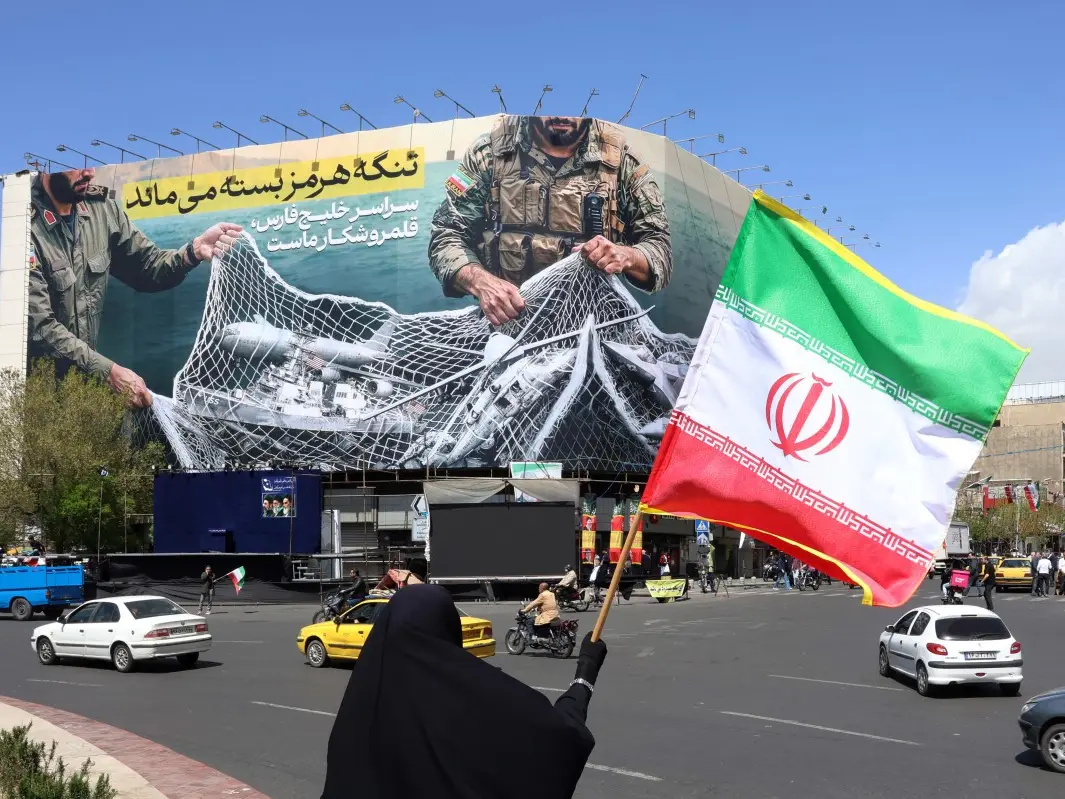
File image for representation Photograph: (AFP)
US-Iran-Israel LIVE: Iran proposed a 14-point peace plan seeking a 30-day regional settlement. Key demands include US troop withdrawal, sanctions removal, unfrozen assets, and guarantees against future strikes on Iranian territory.
US-Iran-Israel LIVE: Amid rising diplomatic calls for restraint, Iran has drawn up a 14-point proposal aimed at establishing what it describes as a comprehensive framework to end the ongoing conflict across multiple fronts, including the volatile situation in Lebanon. According to Iran’s Tasnim News Agency, the plan prioritises a long-term settlement to be achieved within 30 days rather than a temporary ceasefire.
The proposal sets out several conditions intended to stabilise the region. These include securing guarantees to prevent any future strikes on Iranian territory and calling for the withdrawal of United States troops from West Asia. It also demands an end to maritime blockades and existing naval restrictions.
On the economic front, the document calls for the release of Iranian funds frozen abroad and seeks compensation for damages linked to military action and sanctions. Tehran is also pressing for the complete removal of US and international sanctions.
In addition, the plan proposes a revised regulatory framework for the Strait of Hormuz to ensure uninterrupted and secure global shipping, Tasnim News Agency reported.
Iran said on Sunday that the United States had responded to its 14-point proposal through Pakistan, adding that the reply is currently under review, according to state media.
Treasury Secretary Scott Bessent said Sunday that the United States was "suffocating" Iran's leadership through an "economic blockade" launched alongside the US military offensive.
"This began with the order last March from President Trump on max pressure, and three weeks ago the President gave the order to Treasury, me to begin Economic Fury," Bessent said in a Fox News interview, referring to his department's initiative to supplement the Pentagon's "Operation Epic Fury."
US Central Command (CENTCOM) said on Sunday that its commander, Admiral Brad Cooper, visited the USS Milius Saturday as the guided-missile destroyer “patrolled regional waters” in support of the blockade of Iranian ports.
“While on board, he interacted with Sailors and addressed them on the 1MC while highlighting the importance of the ongoing mission,” CENTCOM wrote on X.
“As of today, 49 commercial vessels have been redirected to comply with blockade. US forces remain fully committed to total enforcement,” it added.
Kuwait’s oil minister said on Sunday that its production is expected to increase to 2.6 million barrels per day (bpd) in June. Kuwait did not export any crude oil last month for the first time since the 1991 Gulf War because of the Hormuz blockade. Seven OPEC+ countries will raise oil output targets in June by 188,000 bpd, the group said after an online meeting on Sunday.
The output targets are symbolic as Gulf countries have had to cut production as the Strait of Hormuz remains shut.
The UK’s Maritime Trade Operations (UKMTO) agency said on Sunday that a north-bound bulk carrier has reported being attacked by multiple small craft off the Iranian coast, about 11 nautical miles (18km) west of Sirik.
All crew on the carrier are safe, and no environmental impact was reported, the agency added.
US Treasury Secretary Scott Bessent said Iran is not gaining much from its attempts to charge ships passing through the Strait of Hormuz, indicating limited success of the move despite ongoing tensions.
An LPG tanker bound for India has successfully exited the Strait of Hormuz and is now en route to the country, according to an official statement on Sunday.
The Marshall Islands-flagged vessel MT Sarv Shakti, carrying 46,313 tonnes of LPG and manned by a crew of 20 - including 18 Indians - cleared the critical shipping corridor on May 2. It is expected to arrive in Visakhapatnam on May 13.
German Foreign Minister Johann Wadephul said he on Sunday demanded that Iran reopen the Strait of Hormuz and give up its nuclear weapons programme in a telephone call with Iranian counterpart Abbas Araghchi.
"I emphasised that Germany supports a negotiated solution," Wadephul said in a post on X about the call. "As a close US ally, we share the same goal: Iran must completely and verifiably renounce nuclear weapons and immediately open the Strait of Hormuz, as also demanded by" US Secretary of State Marco Rubio.
Saudi Arabia, Russia and five other OPEC+ countries increased their oil production quota on Sunday in an expected move aimed at demonstrating continuity at the cartel after the shock withdrawal of the United Arab Emirates.
Iran’s deputy parliament speaker Ali Nikzad said on Saturday that conditions in the Strait of Hormuz would not return to their pre‑war state, signalling a tougher stance over the strategic waterway. Speaking during a visit to the southern province of Hormozgan, Nikzad said Iran would not step back from the strait, praising the role of residents and armed forces stationed there.
Nikzad said a law being drafted would permanently bar Israeli vessels from the Strait of Hormuz and deny transit rights to countries Iran deems hostile, including the United States.
Israel has cleared a multi-billion-dollar agreement to purchase two squadrons of advanced fighter jets from the United States, with Prime Minister Benjamin Netanyahu saying the move will strengthen the country’s air superiority. The deal includes one squadron of F-35 Lightning II aircraft from Lockheed Martin and another of F-15IA jets from Boeing, according to the defence ministry. Defence Minister Israel Katz said the procurement is intended to secure Israel’s aerial advantage for years ahead and forms a key part of the “Shield of Israel” strategy aimed at maintaining a technological edge.
The F-35, developed through a multinational programme led by the United States, is among the most sophisticated combat aircraft currently in service, and Israel already operates several. Netanyahu added that while the deal enhances military strength, efforts to expand domestic defence production will also continue. “Our pilots can reach anywhere in the skies of Iran and are ready to do so, if needed,” he said.
A lawmaker from Hezbollah said on Sunday that the group would work to undermine the goals of direct talks between Lebanon and Israel. Speaking at an event honouring fallen fighters, Hassan Fadlallah stated that the negotiations and their outcomes do not concern the group, adding that they would not abide by any agreements reached. The initial round of discussions had resulted in a temporary halt in hostilities, with both countries agreeing to engage in direct dialogue under pressure from the United States.
Hezbollah had escalated the broader regional conflict on March 2 by launching rockets at Israel in support of its ally, Iran. Since then, Israeli strikes in Lebanon have reportedly killed over 2,600 people and displaced more than a million, according to AFP.
Spain's foreign ministry called for the "immediate release" of a Spanish-Palestinian activist after an Israeli court on Sunday extended his detention by two days. "The government of Spain demands his immediate release," the ministry said in a comment sent to AFP, adding that the Spanish consul in Tel Aviv accompanied Saif Abu Keshek, who is being "illegally detained", to the hearing. A rights group at the hearing said the court extended the detention of Keshek and Brazilian activist Thiago for two days.
Iran has put forward a “multi-layered proposal” to Washington in an effort to break the stalemate in ongoing peace negotiations, according to a senior official. However, Donald Trump has expressed dissatisfaction with Tehran’s latest offer, indicating the US is unlikely to accept any deal that lacks firm guarantees preventing Iran from developing nuclear weapons. The conflict, sparked by joint US and Israeli strikes on February 28, has been paused since April 8. One round of talks has taken place in Islamabad, with Pakistan currently acting as mediator between the two sides.
The Islamic Revolutionary Guard Corps said on Sunday that the United States must choose between pursuing what it called an “unfeasible” military option or accepting an unfavourable agreement with Iran. In a statement aired on state television, the Guards’ intelligence wing said Donald Trump faces this dilemma, while also pointing to a perceived shift in stance by China, Russia, and Europe toward Washington, along with Iran’s deadline linked to the US naval blockade.
A day after the US Defense Department ordered the pullback of around 5,000 troops stationed in Germany, US President Donald Trump said he plans to cut the number of American service members even further. Speaking to reporters in Florida on Saturday (May 2) he said "We're going to cut way down and we're cutting a lot further than 5,000."
Israel approves purchase from US of 2 more squadrons of F-35I and F-15IA fighter jets
US President Donald Trump has compared the US Navy’s actions to “pirates” while describing an operation in which American forces seized a vessel during the ongoing standoff with Iran.
Seven members of OPEC+ will meet on May 3 to decide on oil production levels for the first time since the UAE left the group. The UAE, a major global oil producer, officially left OPEC and the larger OPEC+ group on Friday. According to analysts, it decided to quit on April 28 because it was unhappy with the limits the group placed on how much oil it could produce.
The Israeli military has issued a new warning, threatening attacks on 12 towns and villages in southern Lebanon and ordering residents to flee their homes. The towns and villages are al-Duwayr, Arab Salim, al-Sharqiya (Nabatieh), Jibshit, Braashit, Sarafand, Dounin, Briqa, Qaaqaiya al-Jisr, al-Qasiba (Nabatieh) and Kfar Sir.
US Central Command chief Admiral Brad Cooper visited sailors and Marines on board the America-class amphibious assault ship USS Tripoli in the Arabian Sea during a trip to the command's area of responsibility (AOR).
An Iranian supertanker carrying crude oil worth nearly $220 million has reportedly evaded a US naval blockade and made its way into the Asia-Pacific region, according to TankerTrackers.com.
US-Iran-Israel LIVE: Amid rising diplomatic calls for restraint, Iran has drawn up a 14-point proposal aimed at establishing what it describes as a comprehensive framework to end the ongoing conflict across multiple fronts, including the volatile situation in Lebanon. According to Iran’s Tasnim News Agency, the plan prioritises a long-term settlement to be achieved within 30 days rather than a temporary ceasefire.
The proposal sets out several conditions intended to stabilise the region. These include securing guarantees to prevent any future strikes on Iranian territory and calling for the withdrawal of United States troops from West Asia. It also demands an end to maritime blockades and existing naval restrictions.
On the economic front, the document calls for the release of Iranian funds frozen abroad and seeks compensation for damages linked to military action and sanctions. Tehran is also pressing for the complete removal of US and international sanctions.
In addition, the plan proposes a revised regulatory framework for the Strait of Hormuz to ensure uninterrupted and secure global shipping, Tasnim News Agency reported.
Iran said on Sunday that the United States had responded to its 14-point proposal through Pakistan, adding that the reply is currently under review, according to state media.
Treasury Secretary Scott Bessent said Sunday that the United States was "suffocating" Iran's leadership through an "economic blockade" launched alongside the US military offensive.
"This began with the order last March from President Trump on max pressure, and three weeks ago the President gave the order to Treasury, me to begin Economic Fury," Bessent said in a Fox News interview, referring to his department's initiative to supplement the Pentagon's "Operation Epic Fury."
US Central Command (CENTCOM) said on Sunday that its commander, Admiral Brad Cooper, visited the USS Milius Saturday as the guided-missile destroyer “patrolled regional waters” in support of the blockade of Iranian ports.
“While on board, he interacted with Sailors and addressed them on the 1MC while highlighting the importance of the ongoing mission,” CENTCOM wrote on X.
“As of today, 49 commercial vessels have been redirected to comply with blockade. US forces remain fully committed to total enforcement,” it added.
Kuwait’s oil minister said on Sunday that its production is expected to increase to 2.6 million barrels per day (bpd) in June. Kuwait did not export any crude oil last month for the first time since the 1991 Gulf War because of the Hormuz blockade. Seven OPEC+ countries will raise oil output targets in June by 188,000 bpd, the group said after an online meeting on Sunday.
The output targets are symbolic as Gulf countries have had to cut production as the Strait of Hormuz remains shut.
The UK’s Maritime Trade Operations (UKMTO) agency said on Sunday that a north-bound bulk carrier has reported being attacked by multiple small craft off the Iranian coast, about 11 nautical miles (18km) west of Sirik.
All crew on the carrier are safe, and no environmental impact was reported, the agency added.
US Treasury Secretary Scott Bessent said Iran is not gaining much from its attempts to charge ships passing through the Strait of Hormuz, indicating limited success of the move despite ongoing tensions.
An LPG tanker bound for India has successfully exited the Strait of Hormuz and is now en route to the country, according to an official statement on Sunday.
The Marshall Islands-flagged vessel MT Sarv Shakti, carrying 46,313 tonnes of LPG and manned by a crew of 20 - including 18 Indians - cleared the critical shipping corridor on May 2. It is expected to arrive in Visakhapatnam on May 13.
German Foreign Minister Johann Wadephul said he on Sunday demanded that Iran reopen the Strait of Hormuz and give up its nuclear weapons programme in a telephone call with Iranian counterpart Abbas Araghchi.
"I emphasised that Germany supports a negotiated solution," Wadephul said in a post on X about the call. "As a close US ally, we share the same goal: Iran must completely and verifiably renounce nuclear weapons and immediately open the Strait of Hormuz, as also demanded by" US Secretary of State Marco Rubio.
Saudi Arabia, Russia and five other OPEC+ countries increased their oil production quota on Sunday in an expected move aimed at demonstrating continuity at the cartel after the shock withdrawal of the United Arab Emirates.
Iran’s deputy parliament speaker Ali Nikzad said on Saturday that conditions in the Strait of Hormuz would not return to their pre‑war state, signalling a tougher stance over the strategic waterway. Speaking during a visit to the southern province of Hormozgan, Nikzad said Iran would not step back from the strait, praising the role of residents and armed forces stationed there.
Nikzad said a law being drafted would permanently bar Israeli vessels from the Strait of Hormuz and deny transit rights to countries Iran deems hostile, including the United States.
Israel has cleared a multi-billion-dollar agreement to purchase two squadrons of advanced fighter jets from the United States, with Prime Minister Benjamin Netanyahu saying the move will strengthen the country’s air superiority. The deal includes one squadron of F-35 Lightning II aircraft from Lockheed Martin and another of F-15IA jets from Boeing, according to the defence ministry. Defence Minister Israel Katz said the procurement is intended to secure Israel’s aerial advantage for years ahead and forms a key part of the “Shield of Israel” strategy aimed at maintaining a technological edge.
The F-35, developed through a multinational programme led by the United States, is among the most sophisticated combat aircraft currently in service, and Israel already operates several. Netanyahu added that while the deal enhances military strength, efforts to expand domestic defence production will also continue. “Our pilots can reach anywhere in the skies of Iran and are ready to do so, if needed,” he said.
A lawmaker from Hezbollah said on Sunday that the group would work to undermine the goals of direct talks between Lebanon and Israel. Speaking at an event honouring fallen fighters, Hassan Fadlallah stated that the negotiations and their outcomes do not concern the group, adding that they would not abide by any agreements reached. The initial round of discussions had resulted in a temporary halt in hostilities, with both countries agreeing to engage in direct dialogue under pressure from the United States.
Hezbollah had escalated the broader regional conflict on March 2 by launching rockets at Israel in support of its ally, Iran. Since then, Israeli strikes in Lebanon have reportedly killed over 2,600 people and displaced more than a million, according to AFP.
Spain's foreign ministry called for the "immediate release" of a Spanish-Palestinian activist after an Israeli court on Sunday extended his detention by two days. "The government of Spain demands his immediate release," the ministry said in a comment sent to AFP, adding that the Spanish consul in Tel Aviv accompanied Saif Abu Keshek, who is being "illegally detained", to the hearing. A rights group at the hearing said the court extended the detention of Keshek and Brazilian activist Thiago for two days.
Iran has put forward a “multi-layered proposal” to Washington in an effort to break the stalemate in ongoing peace negotiations, according to a senior official. However, Donald Trump has expressed dissatisfaction with Tehran’s latest offer, indicating the US is unlikely to accept any deal that lacks firm guarantees preventing Iran from developing nuclear weapons. The conflict, sparked by joint US and Israeli strikes on February 28, has been paused since April 8. One round of talks has taken place in Islamabad, with Pakistan currently acting as mediator between the two sides.
The Islamic Revolutionary Guard Corps said on Sunday that the United States must choose between pursuing what it called an “unfeasible” military option or accepting an unfavourable agreement with Iran. In a statement aired on state television, the Guards’ intelligence wing said Donald Trump faces this dilemma, while also pointing to a perceived shift in stance by China, Russia, and Europe toward Washington, along with Iran’s deadline linked to the US naval blockade.
A day after the US Defense Department ordered the pullback of around 5,000 troops stationed in Germany, US President Donald Trump said he plans to cut the number of American service members even further. Speaking to reporters in Florida on Saturday (May 2) he said "We're going to cut way down and we're cutting a lot further than 5,000."
Israel approves purchase from US of 2 more squadrons of F-35I and F-15IA fighter jets
US President Donald Trump has compared the US Navy’s actions to “pirates” while describing an operation in which American forces seized a vessel during the ongoing standoff with Iran.
Seven members of OPEC+ will meet on May 3 to decide on oil production levels for the first time since the UAE left the group. The UAE, a major global oil producer, officially left OPEC and the larger OPEC+ group on Friday. According to analysts, it decided to quit on April 28 because it was unhappy with the limits the group placed on how much oil it could produce.
The Israeli military has issued a new warning, threatening attacks on 12 towns and villages in southern Lebanon and ordering residents to flee their homes. The towns and villages are al-Duwayr, Arab Salim, al-Sharqiya (Nabatieh), Jibshit, Braashit, Sarafand, Dounin, Briqa, Qaaqaiya al-Jisr, al-Qasiba (Nabatieh) and Kfar Sir.
US Central Command chief Admiral Brad Cooper visited sailors and Marines on board the America-class amphibious assault ship USS Tripoli in the Arabian Sea during a trip to the command's area of responsibility (AOR).
An Iranian supertanker carrying crude oil worth nearly $220 million has reportedly evaded a US naval blockade and made its way into the Asia-Pacific region, according to TankerTrackers.com.
US-Iran-Israel LIVE: Amid rising diplomatic calls for restraint, Iran has drawn up a 14-point proposal aimed at establishing what it describes as a comprehensive framework to end the ongoing conflict across multiple fronts, including the volatile situation in Lebanon. According to Iran’s Tasnim News Agency, the plan prioritises a long-term settlement to be achieved within 30 days rather than a temporary ceasefire.
The proposal sets out several conditions intended to stabilise the region. These include securing guarantees to prevent any future strikes on Iranian territory and calling for the withdrawal of United States troops from West Asia. It also demands an end to maritime blockades and existing naval restrictions.
On the economic front, the document calls for the release of Iranian funds frozen abroad and seeks compensation for damages linked to military action and sanctions. Tehran is also pressing for the complete removal of US and international sanctions.
In addition, the plan proposes a revised regulatory framework for the Strait of Hormuz to ensure uninterrupted and secure global shipping, Tasnim News Agency reported.
Iran said on Sunday that the United States had responded to its 14-point proposal through Pakistan, adding that the reply is currently under review, according to state media.
Treasury Secretary Scott Bessent said Sunday that the United States was "suffocating" Iran's leadership through an "economic blockade" launched alongside the US military offensive.
"This began with the order last March from President Trump on max pressure, and three weeks ago the President gave the order to Treasury, me to begin Economic Fury," Bessent said in a Fox News interview, referring to his department's initiative to supplement the Pentagon's "Operation Epic Fury."
US Central Command (CENTCOM) said on Sunday that its commander, Admiral Brad Cooper, visited the USS Milius Saturday as the guided-missile destroyer “patrolled regional waters” in support of the blockade of Iranian ports.
“While on board, he interacted with Sailors and addressed them on the 1MC while highlighting the importance of the ongoing mission,” CENTCOM wrote on X.
“As of today, 49 commercial vessels have been redirected to comply with blockade. US forces remain fully committed to total enforcement,” it added.
Kuwait’s oil minister said on Sunday that its production is expected to increase to 2.6 million barrels per day (bpd) in June. Kuwait did not export any crude oil last month for the first time since the 1991 Gulf War because of the Hormuz blockade. Seven OPEC+ countries will raise oil output targets in June by 188,000 bpd, the group said after an online meeting on Sunday.
The output targets are symbolic as Gulf countries have had to cut production as the Strait of Hormuz remains shut.
The UK’s Maritime Trade Operations (UKMTO) agency said on Sunday that a north-bound bulk carrier has reported being attacked by multiple small craft off the Iranian coast, about 11 nautical miles (18km) west of Sirik.
All crew on the carrier are safe, and no environmental impact was reported, the agency added.
US Treasury Secretary Scott Bessent said Iran is not gaining much from its attempts to charge ships passing through the Strait of Hormuz, indicating limited success of the move despite ongoing tensions.
An LPG tanker bound for India has successfully exited the Strait of Hormuz and is now en route to the country, according to an official statement on Sunday.
The Marshall Islands-flagged vessel MT Sarv Shakti, carrying 46,313 tonnes of LPG and manned by a crew of 20 - including 18 Indians - cleared the critical shipping corridor on May 2. It is expected to arrive in Visakhapatnam on May 13.
German Foreign Minister Johann Wadephul said he on Sunday demanded that Iran reopen the Strait of Hormuz and give up its nuclear weapons programme in a telephone call with Iranian counterpart Abbas Araghchi.
"I emphasised that Germany supports a negotiated solution," Wadephul said in a post on X about the call. "As a close US ally, we share the same goal: Iran must completely and verifiably renounce nuclear weapons and immediately open the Strait of Hormuz, as also demanded by" US Secretary of State Marco Rubio.
Saudi Arabia, Russia and five other OPEC+ countries increased their oil production quota on Sunday in an expected move aimed at demonstrating continuity at the cartel after the shock withdrawal of the United Arab Emirates.
Iran’s deputy parliament speaker Ali Nikzad said on Saturday that conditions in the Strait of Hormuz would not return to their pre‑war state, signalling a tougher stance over the strategic waterway. Speaking during a visit to the southern province of Hormozgan, Nikzad said Iran would not step back from the strait, praising the role of residents and armed forces stationed there.
Nikzad said a law being drafted would permanently bar Israeli vessels from the Strait of Hormuz and deny transit rights to countries Iran deems hostile, including the United States.
Israel has cleared a multi-billion-dollar agreement to purchase two squadrons of advanced fighter jets from the United States, with Prime Minister Benjamin Netanyahu saying the move will strengthen the country’s air superiority. The deal includes one squadron of F-35 Lightning II aircraft from Lockheed Martin and another of F-15IA jets from Boeing, according to the defence ministry. Defence Minister Israel Katz said the procurement is intended to secure Israel’s aerial advantage for years ahead and forms a key part of the “Shield of Israel” strategy aimed at maintaining a technological edge.
The F-35, developed through a multinational programme led by the United States, is among the most sophisticated combat aircraft currently in service, and Israel already operates several. Netanyahu added that while the deal enhances military strength, efforts to expand domestic defence production will also continue. “Our pilots can reach anywhere in the skies of Iran and are ready to do so, if needed,” he said.
A lawmaker from Hezbollah said on Sunday that the group would work to undermine the goals of direct talks between Lebanon and Israel. Speaking at an event honouring fallen fighters, Hassan Fadlallah stated that the negotiations and their outcomes do not concern the group, adding that they would not abide by any agreements reached. The initial round of discussions had resulted in a temporary halt in hostilities, with both countries agreeing to engage in direct dialogue under pressure from the United States.
Hezbollah had escalated the broader regional conflict on March 2 by launching rockets at Israel in support of its ally, Iran. Since then, Israeli strikes in Lebanon have reportedly killed over 2,600 people and displaced more than a million, according to AFP.
Spain's foreign ministry called for the "immediate release" of a Spanish-Palestinian activist after an Israeli court on Sunday extended his detention by two days. "The government of Spain demands his immediate release," the ministry said in a comment sent to AFP, adding that the Spanish consul in Tel Aviv accompanied Saif Abu Keshek, who is being "illegally detained", to the hearing. A rights group at the hearing said the court extended the detention of Keshek and Brazilian activist Thiago for two days.
Iran has put forward a “multi-layered proposal” to Washington in an effort to break the stalemate in ongoing peace negotiations, according to a senior official. However, Donald Trump has expressed dissatisfaction with Tehran’s latest offer, indicating the US is unlikely to accept any deal that lacks firm guarantees preventing Iran from developing nuclear weapons. The conflict, sparked by joint US and Israeli strikes on February 28, has been paused since April 8. One round of talks has taken place in Islamabad, with Pakistan currently acting as mediator between the two sides.
The Islamic Revolutionary Guard Corps said on Sunday that the United States must choose between pursuing what it called an “unfeasible” military option or accepting an unfavourable agreement with Iran. In a statement aired on state television, the Guards’ intelligence wing said Donald Trump faces this dilemma, while also pointing to a perceived shift in stance by China, Russia, and Europe toward Washington, along with Iran’s deadline linked to the US naval blockade.
A day after the US Defense Department ordered the pullback of around 5,000 troops stationed in Germany, US President Donald Trump said he plans to cut the number of American service members even further. Speaking to reporters in Florida on Saturday (May 2) he said "We're going to cut way down and we're cutting a lot further than 5,000."
Israel approves purchase from US of 2 more squadrons of F-35I and F-15IA fighter jets
US President Donald Trump has compared the US Navy’s actions to “pirates” while describing an operation in which American forces seized a vessel during the ongoing standoff with Iran.
Seven members of OPEC+ will meet on May 3 to decide on oil production levels for the first time since the UAE left the group. The UAE, a major global oil producer, officially left OPEC and the larger OPEC+ group on Friday. According to analysts, it decided to quit on April 28 because it was unhappy with the limits the group placed on how much oil it could produce.
The Israeli military has issued a new warning, threatening attacks on 12 towns and villages in southern Lebanon and ordering residents to flee their homes. The towns and villages are al-Duwayr, Arab Salim, al-Sharqiya (Nabatieh), Jibshit, Braashit, Sarafand, Dounin, Briqa, Qaaqaiya al-Jisr, al-Qasiba (Nabatieh) and Kfar Sir.
US Central Command chief Admiral Brad Cooper visited sailors and Marines on board the America-class amphibious assault ship USS Tripoli in the Arabian Sea during a trip to the command's area of responsibility (AOR).
An Iranian supertanker carrying crude oil worth nearly $220 million has reportedly evaded a US naval blockade and made its way into the Asia-Pacific region, according to TankerTrackers.com.
US-Iran-Israel LIVE: Amid rising diplomatic calls for restraint, Iran has drawn up a 14-point proposal aimed at establishing what it describes as a comprehensive framework to end the ongoing conflict across multiple fronts, including the volatile situation in Lebanon. According to Iran’s Tasnim News Agency, the plan prioritises a long-term settlement to be achieved within 30 days rather than a temporary ceasefire.
The proposal sets out several conditions intended to stabilise the region. These include securing guarantees to prevent any future strikes on Iranian territory and calling for the withdrawal of United States troops from West Asia. It also demands an end to maritime blockades and existing naval restrictions.
On the economic front, the document calls for the release of Iranian funds frozen abroad and seeks compensation for damages linked to military action and sanctions. Tehran is also pressing for the complete removal of US and international sanctions.
In addition, the plan proposes a revised regulatory framework for the Strait of Hormuz to ensure uninterrupted and secure global shipping, Tasnim News Agency reported.
Iran said on Sunday that the United States had responded to its 14-point proposal through Pakistan, adding that the reply is currently under review, according to state media.
Treasury Secretary Scott Bessent said Sunday that the United States was "suffocating" Iran's leadership through an "economic blockade" launched alongside the US military offensive.
"This began with the order last March from President Trump on max pressure, and three weeks ago the President gave the order to Treasury, me to begin Economic Fury," Bessent said in a Fox News interview, referring to his department's initiative to supplement the Pentagon's "Operation Epic Fury."
US Central Command (CENTCOM) said on Sunday that its commander, Admiral Brad Cooper, visited the USS Milius Saturday as the guided-missile destroyer “patrolled regional waters” in support of the blockade of Iranian ports.
“While on board, he interacted with Sailors and addressed them on the 1MC while highlighting the importance of the ongoing mission,” CENTCOM wrote on X.
“As of today, 49 commercial vessels have been redirected to comply with blockade. US forces remain fully committed to total enforcement,” it added.
Kuwait’s oil minister said on Sunday that its production is expected to increase to 2.6 million barrels per day (bpd) in June. Kuwait did not export any crude oil last month for the first time since the 1991 Gulf War because of the Hormuz blockade. Seven OPEC+ countries will raise oil output targets in June by 188,000 bpd, the group said after an online meeting on Sunday.
The output targets are symbolic as Gulf countries have had to cut production as the Strait of Hormuz remains shut.
The UK’s Maritime Trade Operations (UKMTO) agency said on Sunday that a north-bound bulk carrier has reported being attacked by multiple small craft off the Iranian coast, about 11 nautical miles (18km) west of Sirik.
All crew on the carrier are safe, and no environmental impact was reported, the agency added.
US Treasury Secretary Scott Bessent said Iran is not gaining much from its attempts to charge ships passing through the Strait of Hormuz, indicating limited success of the move despite ongoing tensions.
An LPG tanker bound for India has successfully exited the Strait of Hormuz and is now en route to the country, according to an official statement on Sunday.
The Marshall Islands-flagged vessel MT Sarv Shakti, carrying 46,313 tonnes of LPG and manned by a crew of 20 - including 18 Indians - cleared the critical shipping corridor on May 2. It is expected to arrive in Visakhapatnam on May 13.
German Foreign Minister Johann Wadephul said he on Sunday demanded that Iran reopen the Strait of Hormuz and give up its nuclear weapons programme in a telephone call with Iranian counterpart Abbas Araghchi.
"I emphasised that Germany supports a negotiated solution," Wadephul said in a post on X about the call. "As a close US ally, we share the same goal: Iran must completely and verifiably renounce nuclear weapons and immediately open the Strait of Hormuz, as also demanded by" US Secretary of State Marco Rubio.
Saudi Arabia, Russia and five other OPEC+ countries increased their oil production quota on Sunday in an expected move aimed at demonstrating continuity at the cartel after the shock withdrawal of the United Arab Emirates.
Iran’s deputy parliament speaker Ali Nikzad said on Saturday that conditions in the Strait of Hormuz would not return to their pre‑war state, signalling a tougher stance over the strategic waterway. Speaking during a visit to the southern province of Hormozgan, Nikzad said Iran would not step back from the strait, praising the role of residents and armed forces stationed there.
Nikzad said a law being drafted would permanently bar Israeli vessels from the Strait of Hormuz and deny transit rights to countries Iran deems hostile, including the United States.
Israel has cleared a multi-billion-dollar agreement to purchase two squadrons of advanced fighter jets from the United States, with Prime Minister Benjamin Netanyahu saying the move will strengthen the country’s air superiority. The deal includes one squadron of F-35 Lightning II aircraft from Lockheed Martin and another of F-15IA jets from Boeing, according to the defence ministry. Defence Minister Israel Katz said the procurement is intended to secure Israel’s aerial advantage for years ahead and forms a key part of the “Shield of Israel” strategy aimed at maintaining a technological edge.
The F-35, developed through a multinational programme led by the United States, is among the most sophisticated combat aircraft currently in service, and Israel already operates several. Netanyahu added that while the deal enhances military strength, efforts to expand domestic defence production will also continue. “Our pilots can reach anywhere in the skies of Iran and are ready to do so, if needed,” he said.
A lawmaker from Hezbollah said on Sunday that the group would work to undermine the goals of direct talks between Lebanon and Israel. Speaking at an event honouring fallen fighters, Hassan Fadlallah stated that the negotiations and their outcomes do not concern the group, adding that they would not abide by any agreements reached. The initial round of discussions had resulted in a temporary halt in hostilities, with both countries agreeing to engage in direct dialogue under pressure from the United States.
Hezbollah had escalated the broader regional conflict on March 2 by launching rockets at Israel in support of its ally, Iran. Since then, Israeli strikes in Lebanon have reportedly killed over 2,600 people and displaced more than a million, according to AFP.
Spain's foreign ministry called for the "immediate release" of a Spanish-Palestinian activist after an Israeli court on Sunday extended his detention by two days. "The government of Spain demands his immediate release," the ministry said in a comment sent to AFP, adding that the Spanish consul in Tel Aviv accompanied Saif Abu Keshek, who is being "illegally detained", to the hearing. A rights group at the hearing said the court extended the detention of Keshek and Brazilian activist Thiago for two days.
Iran has put forward a “multi-layered proposal” to Washington in an effort to break the stalemate in ongoing peace negotiations, according to a senior official. However, Donald Trump has expressed dissatisfaction with Tehran’s latest offer, indicating the US is unlikely to accept any deal that lacks firm guarantees preventing Iran from developing nuclear weapons. The conflict, sparked by joint US and Israeli strikes on February 28, has been paused since April 8. One round of talks has taken place in Islamabad, with Pakistan currently acting as mediator between the two sides.
The Islamic Revolutionary Guard Corps said on Sunday that the United States must choose between pursuing what it called an “unfeasible” military option or accepting an unfavourable agreement with Iran. In a statement aired on state television, the Guards’ intelligence wing said Donald Trump faces this dilemma, while also pointing to a perceived shift in stance by China, Russia, and Europe toward Washington, along with Iran’s deadline linked to the US naval blockade.
A day after the US Defense Department ordered the pullback of around 5,000 troops stationed in Germany, US President Donald Trump said he plans to cut the number of American service members even further. Speaking to reporters in Florida on Saturday (May 2) he said "We're going to cut way down and we're cutting a lot further than 5,000."
Israel approves purchase from US of 2 more squadrons of F-35I and F-15IA fighter jets
US President Donald Trump has compared the US Navy’s actions to “pirates” while describing an operation in which American forces seized a vessel during the ongoing standoff with Iran.
Seven members of OPEC+ will meet on May 3 to decide on oil production levels for the first time since the UAE left the group. The UAE, a major global oil producer, officially left OPEC and the larger OPEC+ group on Friday. According to analysts, it decided to quit on April 28 because it was unhappy with the limits the group placed on how much oil it could produce.
The Israeli military has issued a new warning, threatening attacks on 12 towns and villages in southern Lebanon and ordering residents to flee their homes. The towns and villages are al-Duwayr, Arab Salim, al-Sharqiya (Nabatieh), Jibshit, Braashit, Sarafand, Dounin, Briqa, Qaaqaiya al-Jisr, al-Qasiba (Nabatieh) and Kfar Sir.
US Central Command chief Admiral Brad Cooper visited sailors and Marines on board the America-class amphibious assault ship USS Tripoli in the Arabian Sea during a trip to the command's area of responsibility (AOR).
An Iranian supertanker carrying crude oil worth nearly $220 million has reportedly evaded a US naval blockade and made its way into the Asia-Pacific region, according to TankerTrackers.com.

