Lebanon reports Israeli air strikes just hours after truce announcement

&imwidth=600&imheight=450&format=webp&quality=medium "Lebanon reports Israeli air strikes just hours after truce announcement")
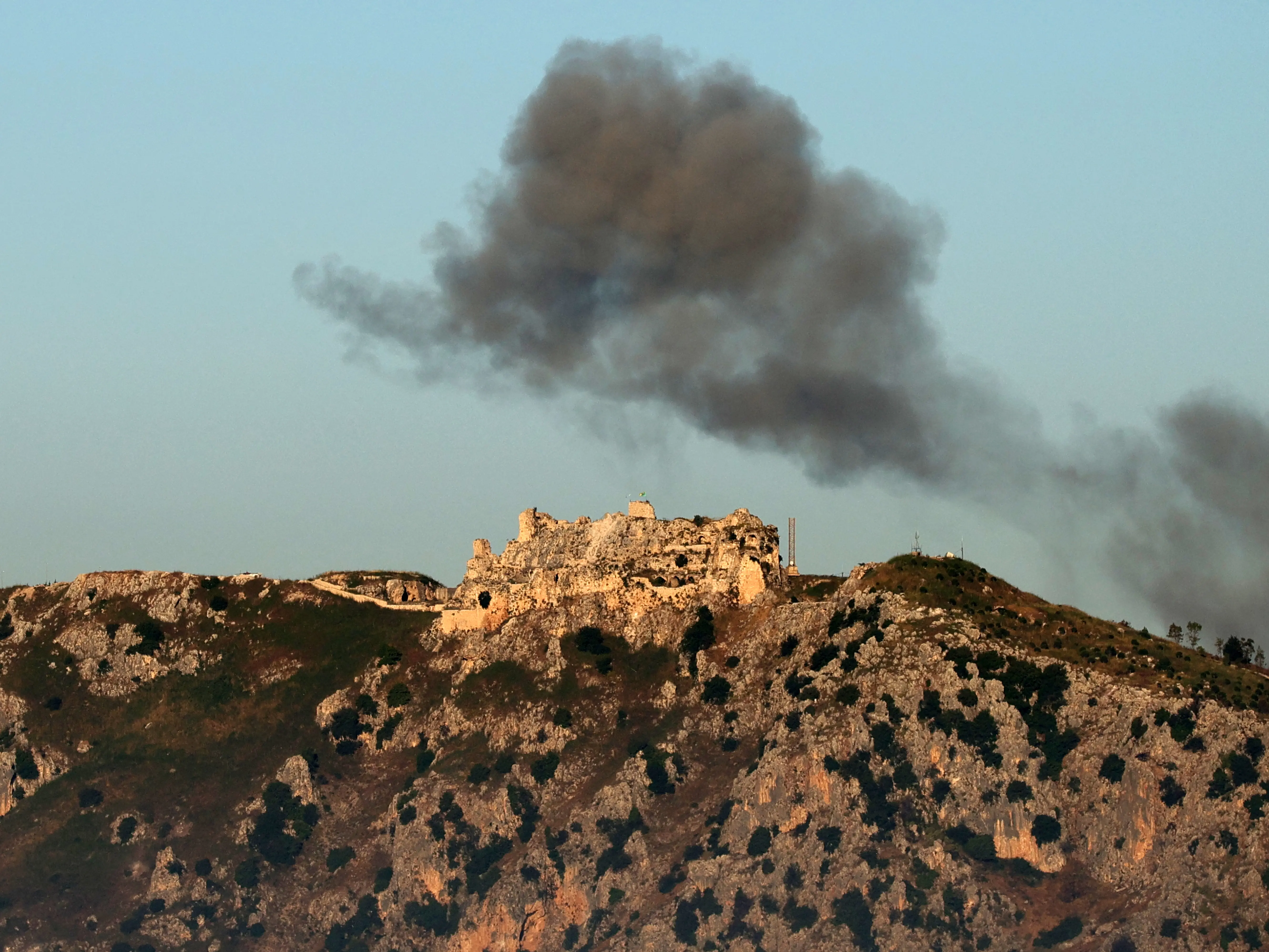
Southern Lebanese area of Marjayoun shows smoke flying above the medieval Beaufort Castle - June 3 Photograph: (Credit: AFP)
Tensions rise as Lebanon reports fresh Israeli strikes immediately following a highly anticipated truce announcement, threatening the stability of the newly brokered ceasefire.
Lebanon's state-run National News Agency (NNA) said drone strikes targeted roads at multiple southern locations, with at least one strike resulting in casualties. Earlier in the day, the Israeli military reported that air raid sirens had been triggered in northern Israel. The ceasefire agreement, reached in Washington on Wednesday (June 3), stipulates a "complete cessation" of fire by Hezbollah, according to a joint statement released following a fourth round of US-led negotiations. The two nations, which lack formal diplomatic ties, further agreed to designate "pilot zones" where Lebanese armed forces "will take exclusive control of the territory to the exclusion of all non-state actors."
Israeli National Security Minister Itamar Ben Gvir denounced the deal on Thursday (June 4), calling it a “serious mistake.” Prior to the ceasefire announcement, Hezbollah disclosed it had fired a "salvo of rockets" at Israeli troops and vehicles in the southern Lebanese area of Qantara. It launched drone attacks on forces positioned near the strategic Beaufort castle.
The latest agreement follows a failed truce. A previous ceasefire intended to end hostilities in Lebanon was scheduled to come into force on April 17 but has gone unobserved, with each side accusing the other of violations to justify its continued military operations. Lebanon has said Israeli strikes have killed more than 3,500 people since Hezbollah pulled the country into the wider Middle East conflict on March 2. The group began launching rockets at Israel in response to US-Israeli strikes that killed Iran's supreme leader.
The World Health Organisation said last week that the death toll in Lebanon had surpassed 600 since the April 17 ceasefire was declared. Meanwhile, senior Hezbollah official Mahmud Qomati told news agency AFP this week that the militant group would "not accept a partial ceasefire," casting further doubt on the durability of the newly announced agreement.

