

&imwidth=800&imheight=600&format=webp&quality=medium "Jury to deliberate in tragic Lindsay Clancy postpartum psychosis murder trial")
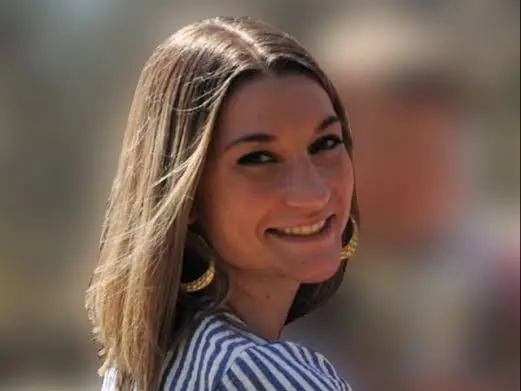
The high-profile murder trial of Lindsay Clancy, the Massachusetts mother accused of killing her three young children in January 2023, has reached its critical final phase as jury deliberations draw near. Clancy, 36, a former labour and delivery nurse, has admitted to strangling her daughter Cora, 5, and sons Dawson, 3, and Callan, 8 months, inside their Duxbury home. Following the attack, she attempted suicide by jumping from a second-story window, a fall that left her paralysed from the waist down. However, the central issue before the Plymouth Superior Court is not whether Clancy committed the acts, but whether she can be held criminally responsible for them under state law.
Throughout the trial, defence attorney Kevin Reddington argued that a combination of undiagnosed bipolar disorder and postpartum psychosis severely incapacitated Clancy. Defence medical experts presented evidence showing that in the months leading up to the tragedy, Clancy had sought intensive psychiatric help, keeping frantic journal entries describing "brain fog," severe insomnia, and overwhelming anxiety. During that time, clinicians had prescribed her a shifting regimen of 13 different psychiatric medications. Expert witness Dr Phillip Resnick testified that Clancy acted under a “command hallucination” a voice compelling her to kill her children and then herself, leaving her in a dreamlike state without self-control.
Conversely, state prosecutors argued that Clancy acted intentionally and methodically. Prosecutors pointed to the timeline of the evening, noting she specifically requested her husband run an errand to pick up dinner, creating a brief window of opportunity alone with the children. Prosecution psychiatric expert Dr Gregory Saathoff testified that while Clancy suffered from depression and insomnia, her calculated actions indicated she retained control and was capable of distinguishing right from wrong.
The proceedings faced drama in their final days when the defence moved for a mistrial after a prosecution psychologist mentioned Clancy’s Roman Catholic faith. Judge Sullivan denied the motion but instructed jurors to completely disregard any testimony regarding religion. With the prosecution resting its rebuttal case, closing arguments are set to conclude the trial. Jurors will soon deliberate whether to find Clancy guilty of first-degree murder, carrying a potential sentence of life without parole or not guilty by reason of insanity, an outcome that would place her in a secure mental health facility indefinitely.

