Italy and Kazakhstan summits top diplomatic agenda for new Indian government


Indian Prime Minister Narendra Modi speaks during the G20 leaders summit in Bali, Indonesia.
As the new Indian government, under Narendra Modi, prepares to take office, a busy foreign policy agenda awaits, with both high-level incoming and outgoing visits. Modi's 3rd term begins with the high-profile oath-taking ceremony on Sunday (June 9), attended by leaders of the seven neighbouring countries, from the western arch of the Indian Ocean to the Himalayas.
The list of dignitaries includes Sri Lankan President Ranil Wickremesinghe, Maldivian President Dr Mohamed Muizzu, Seychelles Vice-President Ahmed Afif, Bangladeshi Prime Minister Sheikh Hasina, Mauritian Prime Minister Pravind Kumar Jugnauth, Nepalese Prime Minister Pushpa Kamal Dahal 'Prachanda', and Bhutanese Prime Minister Tshering Tobgay.

Following the inauguration, the new government's first foreign policy engagement involves bilateral meetings with each visiting leader with a focus on connectivity to developingpartnership under Delhi's neighbourhood first policy. Maldives President's presence shows ties coming back on track between the twocountries.
Next on the agenda is the BRICS foreign ministers meeting in Russia, scheduled for next week. With portfolio allocations yet to be announced for the Ministry of External Affairs, details on Indian representation are awaited.
PM Modi's first international visit post-inauguration will be to Italy for the G7 summit in Fasano, Apulia, from June 13 to 15. The West-led grouping will see Modi sharing the stage with U.S. President Joe Biden, French President Emmanuel Macron, UK Prime Minister Rishi Sunak, Japanese Prime Minister Fumio Kishida, German Chancellor Olaf Scholz, and Canadian Prime Minister Justin Trudeau. Additionally, over ten other countries, including UAE, Saudi Arabia, Türkiye, Ukraine, Brazil, Argentina and the Vatican are invited.
&im=FitAndFill=(700,400))
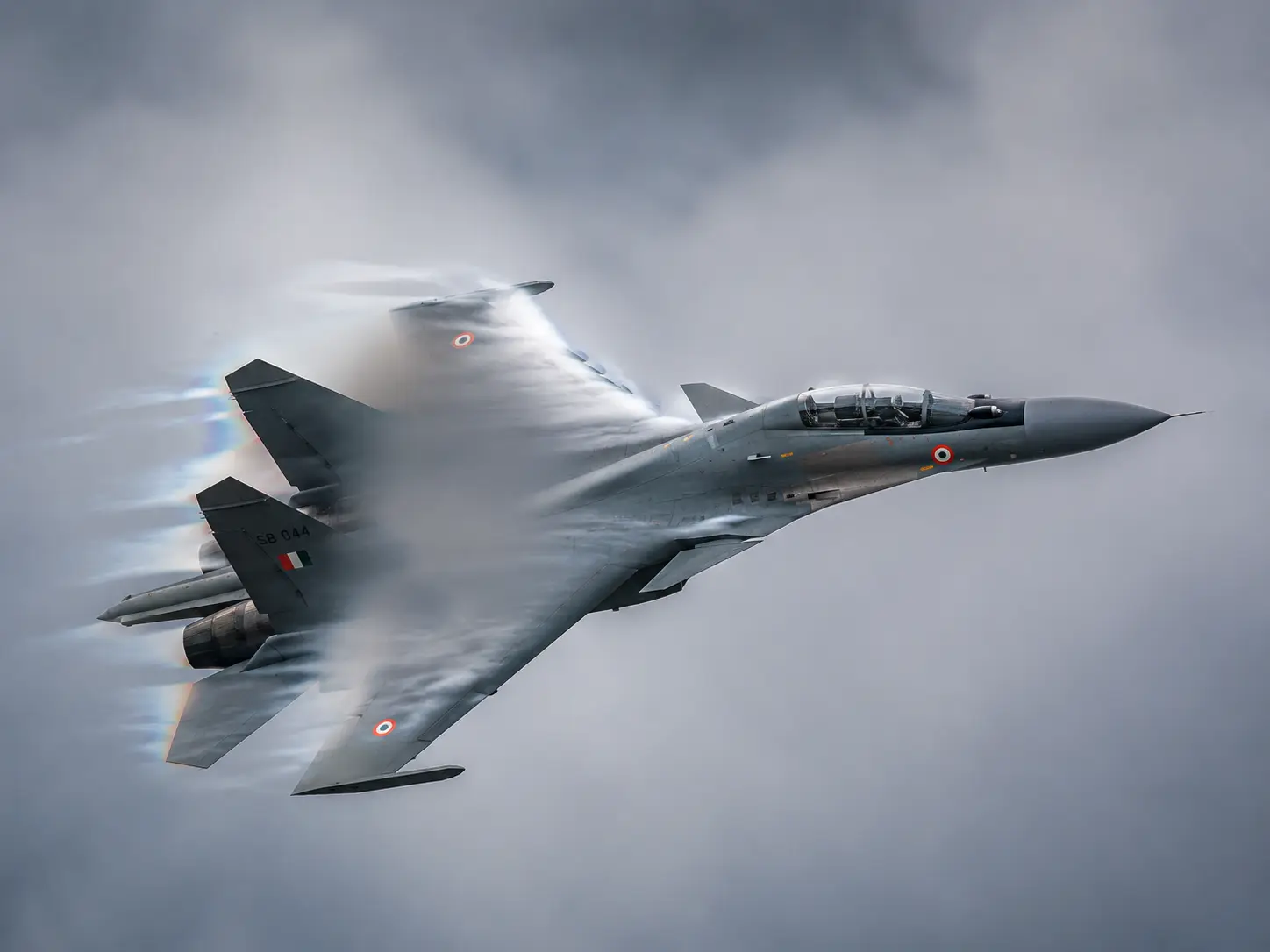
How fast can the Sukhoi Su-30 fighter jet really fly?
&im=FitAndFill=(700,400))
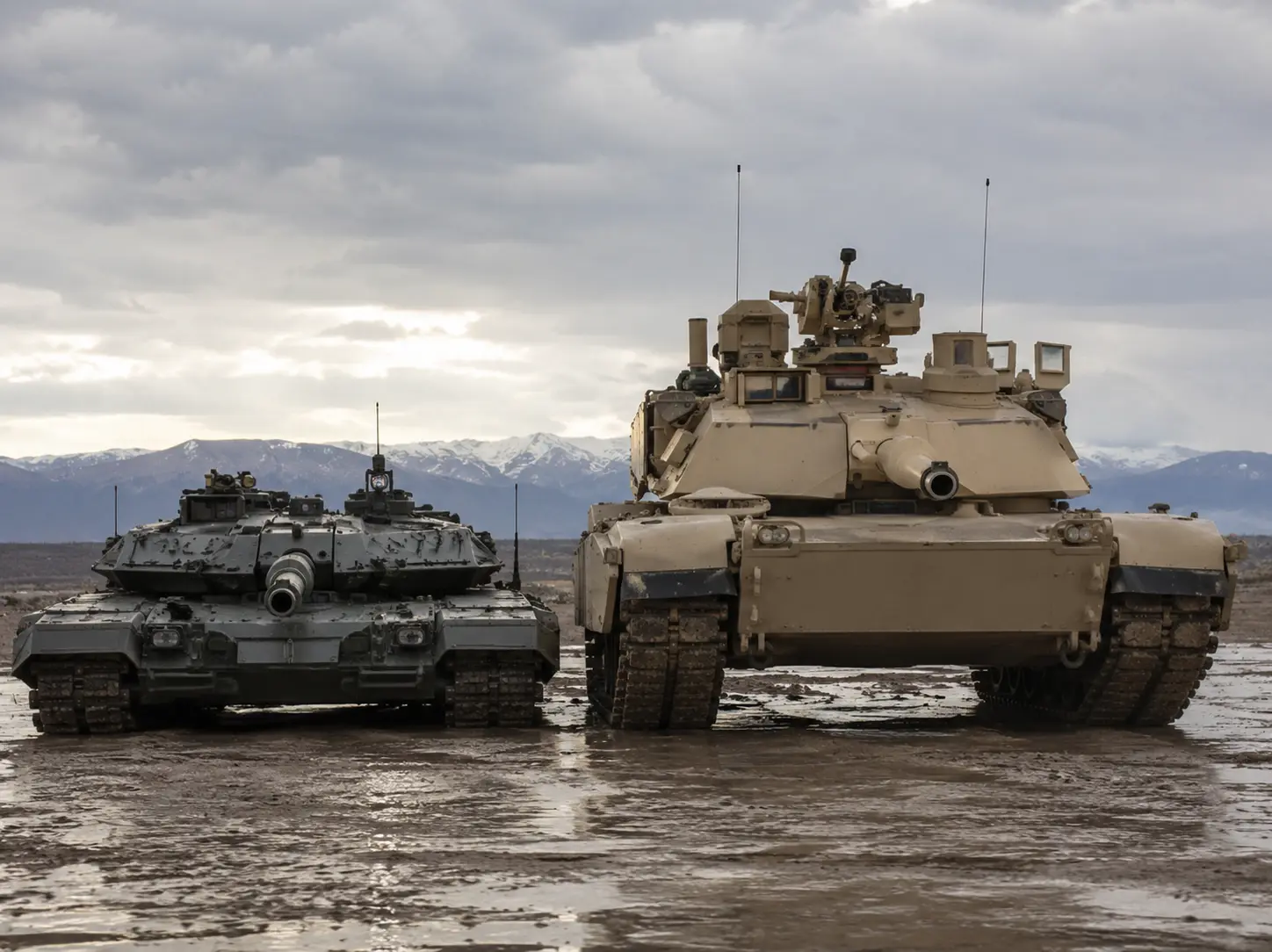
Why US tanks can spin their heavy turrets much faster than Russian tanks
&im=FitAndFill=(700,400))
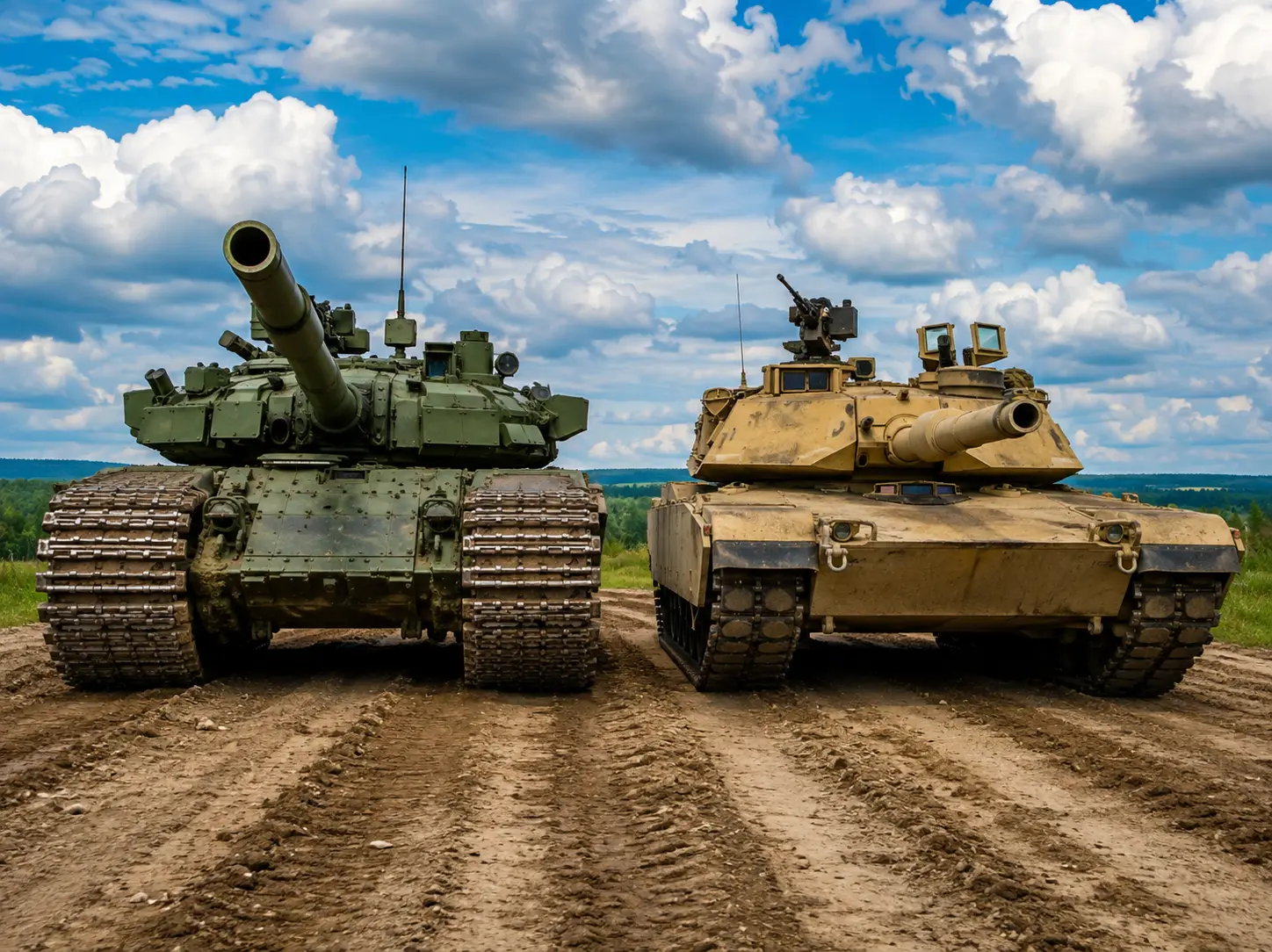
Why US tanks weigh over 20 tons more than Russian tanks
)
Iran's army conducts drone & missile attack on US bases
&im=FitAndFill=(700,400))
Krishna Janmashtami 2026: From Dhaniya Panjiri to Makhana Kheer- 5 best sweet dishes perfect for celebrating Lord Krishna’s birth
)
Manipur violence: 25 houses torched in Manipur’s Kangpokpi a day after 10 homes were burnt along Imphal-Tamenglong road
)
Happy Krishna Janmashtami 2026 wishes: 30+ messages, quotes, greetings, and WhatsApp status ideas to share
)
Iran attacks US bases in Kuwait & UAE, supersecret missile project in focus | Gravitas
)
Suvendu Adhikari threatens to cut school aid over refusal to sing full Vande Mataram
)
The Verdict: Peace for Iran, pressure on Afghanistan: Pakistan’s contradictory diplomacy
&im=FitAndFill=(700,400))
New Friday OTT releases (September 4, 2026): GDN, Dhamaal 4, Jagamae Sangeetham- Watch 6 new movies and TV shows on Netflix, Prime Video and more
)
South Korea plans for military deployment in Strait of Hormuz amid US pressure
)
Volkswagen to cut 50,000 more jobs, 100,000 roles to be eliminated by 2030
)
Husband uses secret camera to record wife’s affair, wins divorce case, ends up in jail for spying
)
At least 2 killed in Minneapolis shooting, suspect also dead
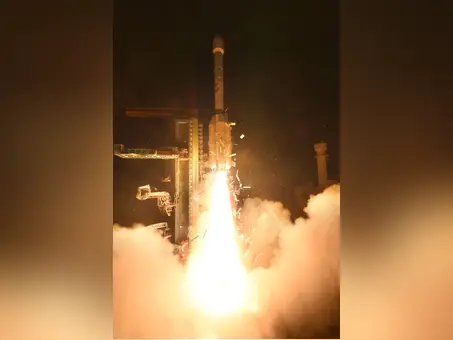)
ISRO stages comeback with GSLV-F17/EOS-05 success; targets six more launches
)
China detains 52 Singaporeans over alleged pyramid schemes; Beijing denies arrest
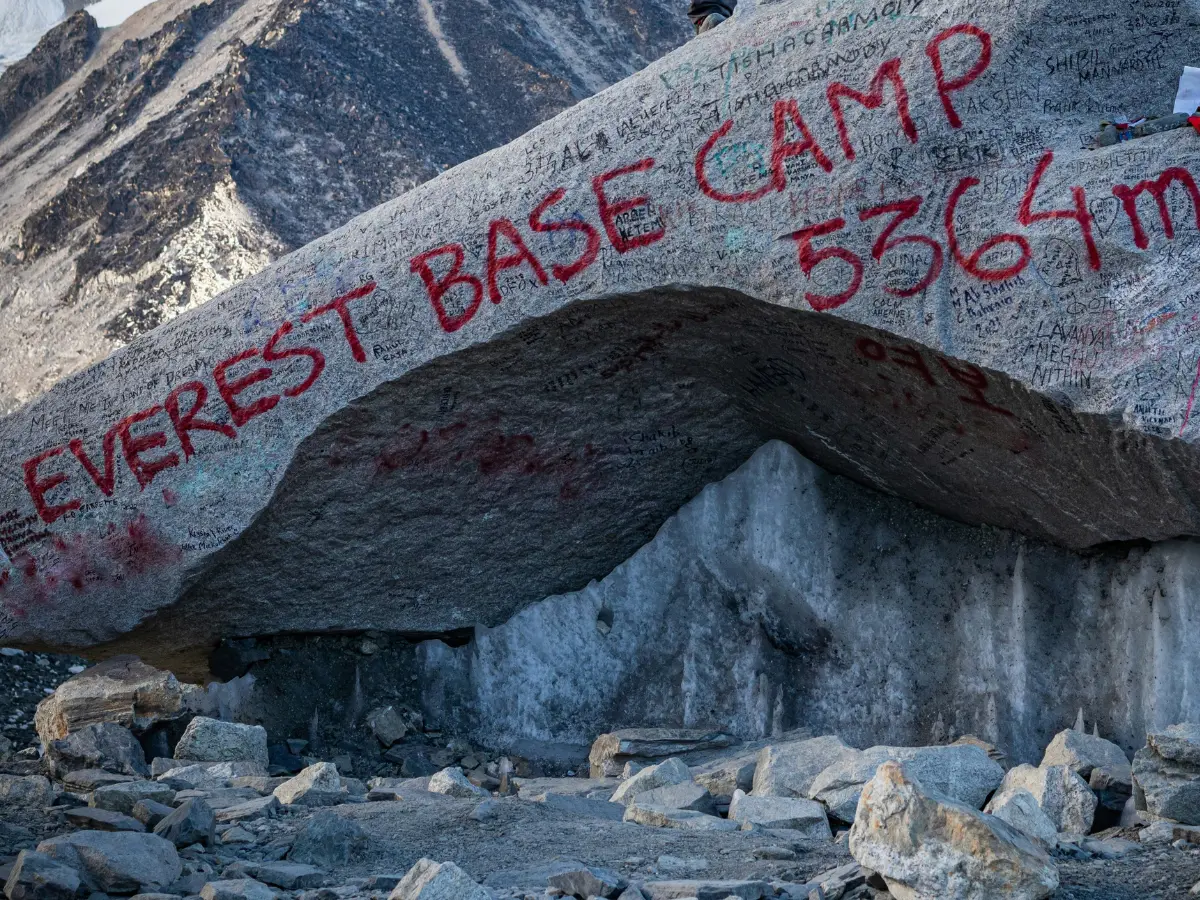)
Killing the Himalayas slowly: Human urine is melting a glacier on Mount Everest
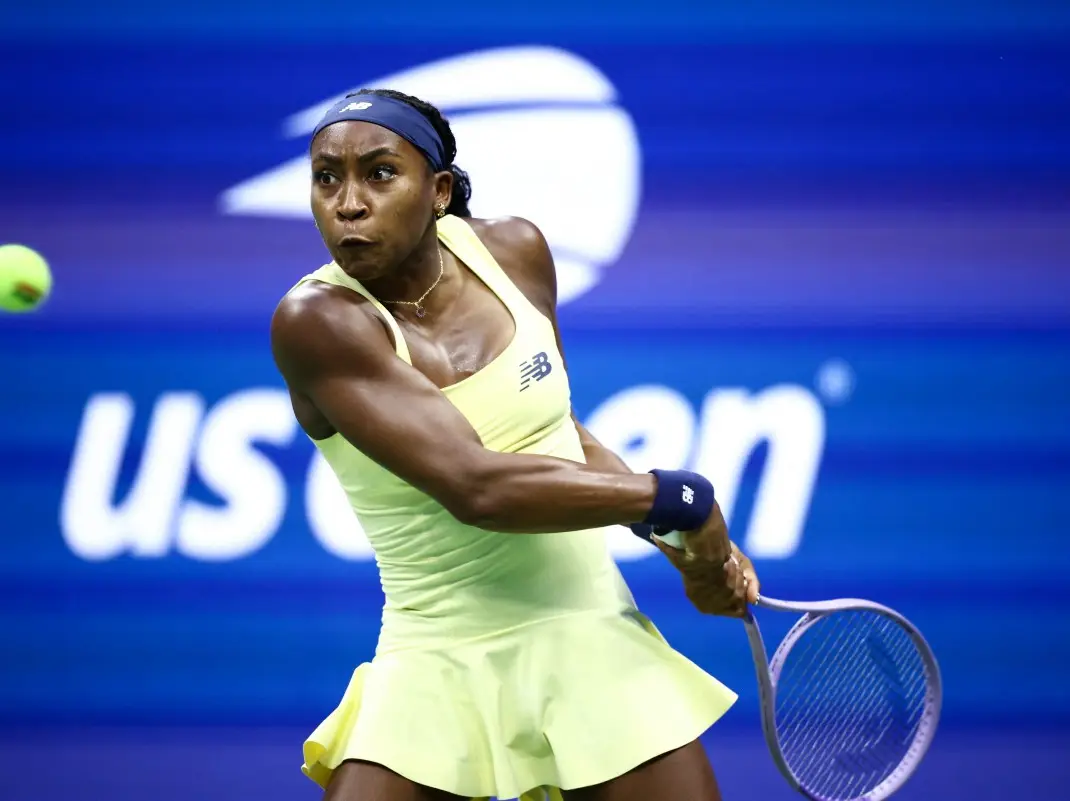)
US Open 2026: Auger-Aliassime out but Swiatek, Osaka, and Gauff advance into third round
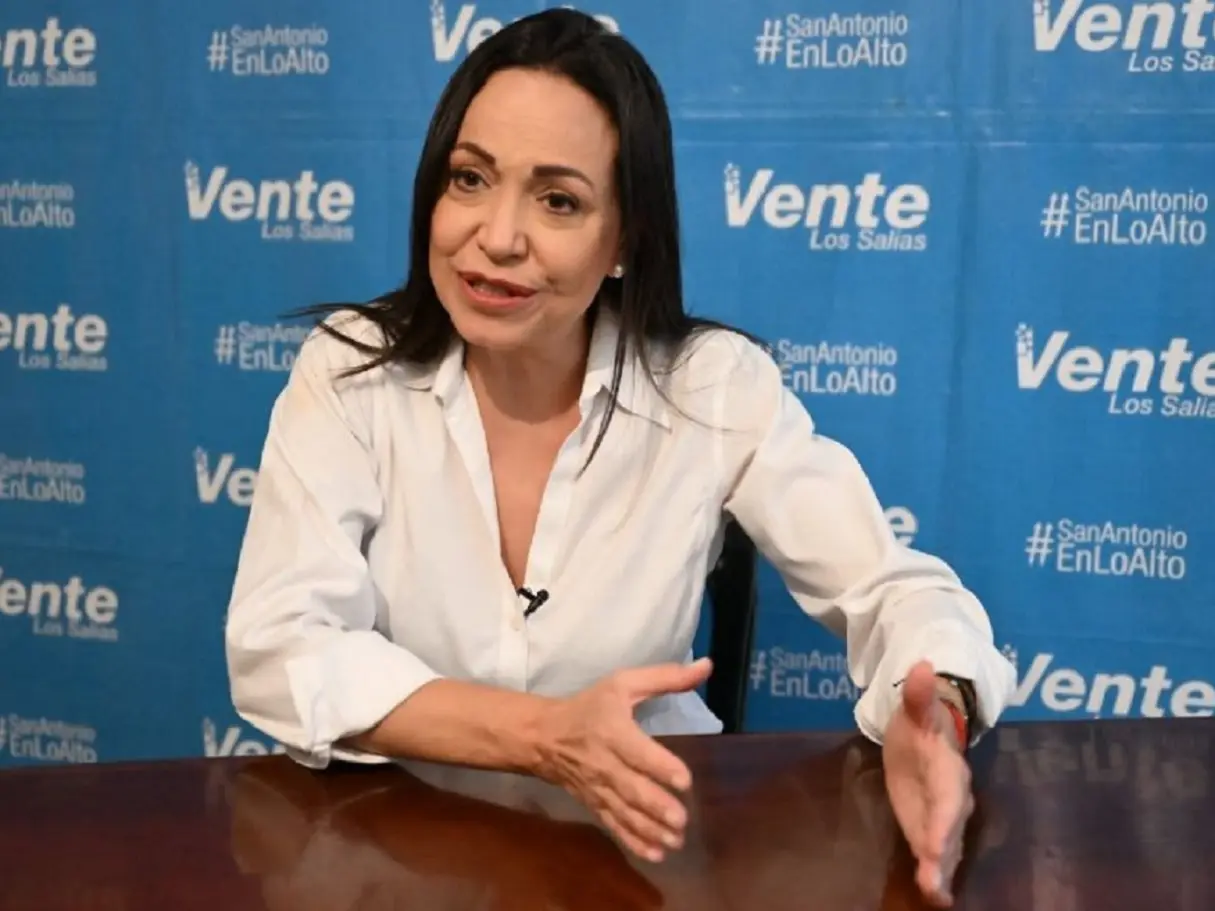)
Nobel laureate Machado says Venezuela’s ‘illegitimate’ regime has no right to strike US oil deal
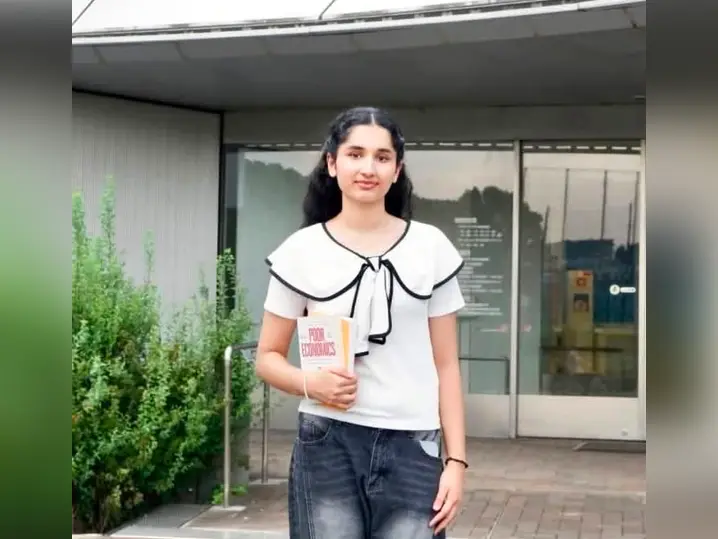)
Who is Aditi Paudel? 17-year-old becomes Japan's first literacy ambassador
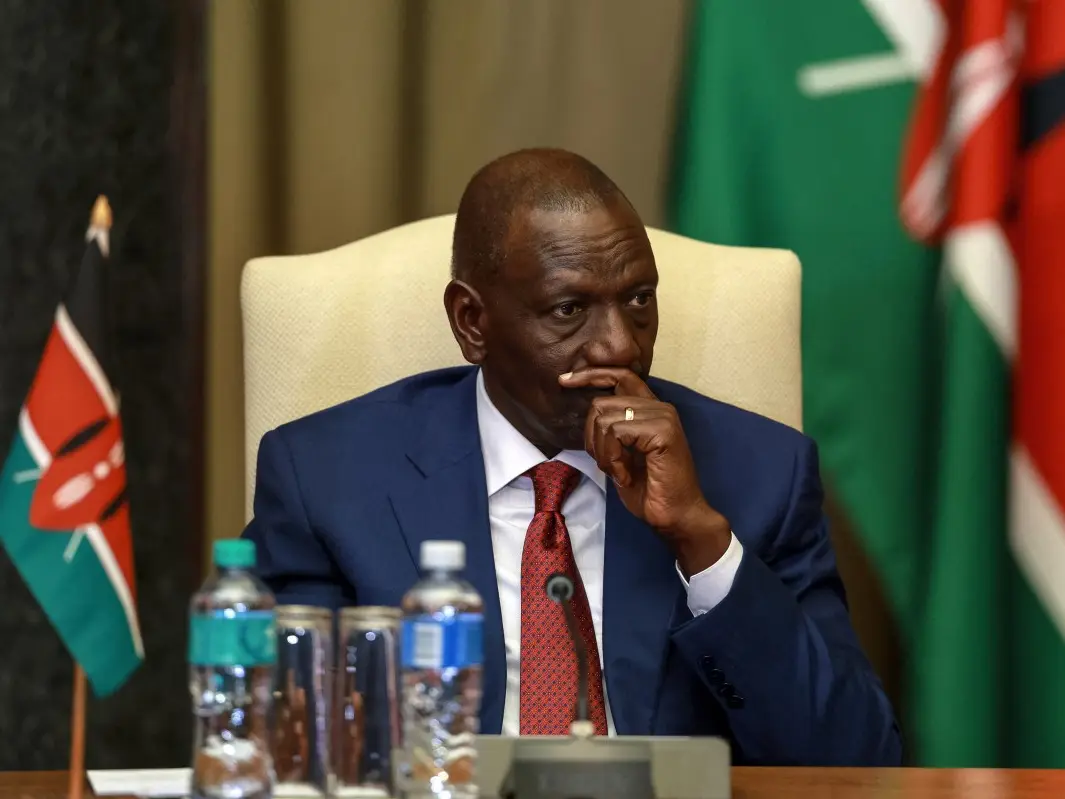)
Kenya vs Tata Chemicals: Why President William Ruto ordered company to stop operations
)
Man pushes Russian humanoid robot. Watch what happens next
)
NATO troops gather in Arctic, Russia threatens nuclear retaliation
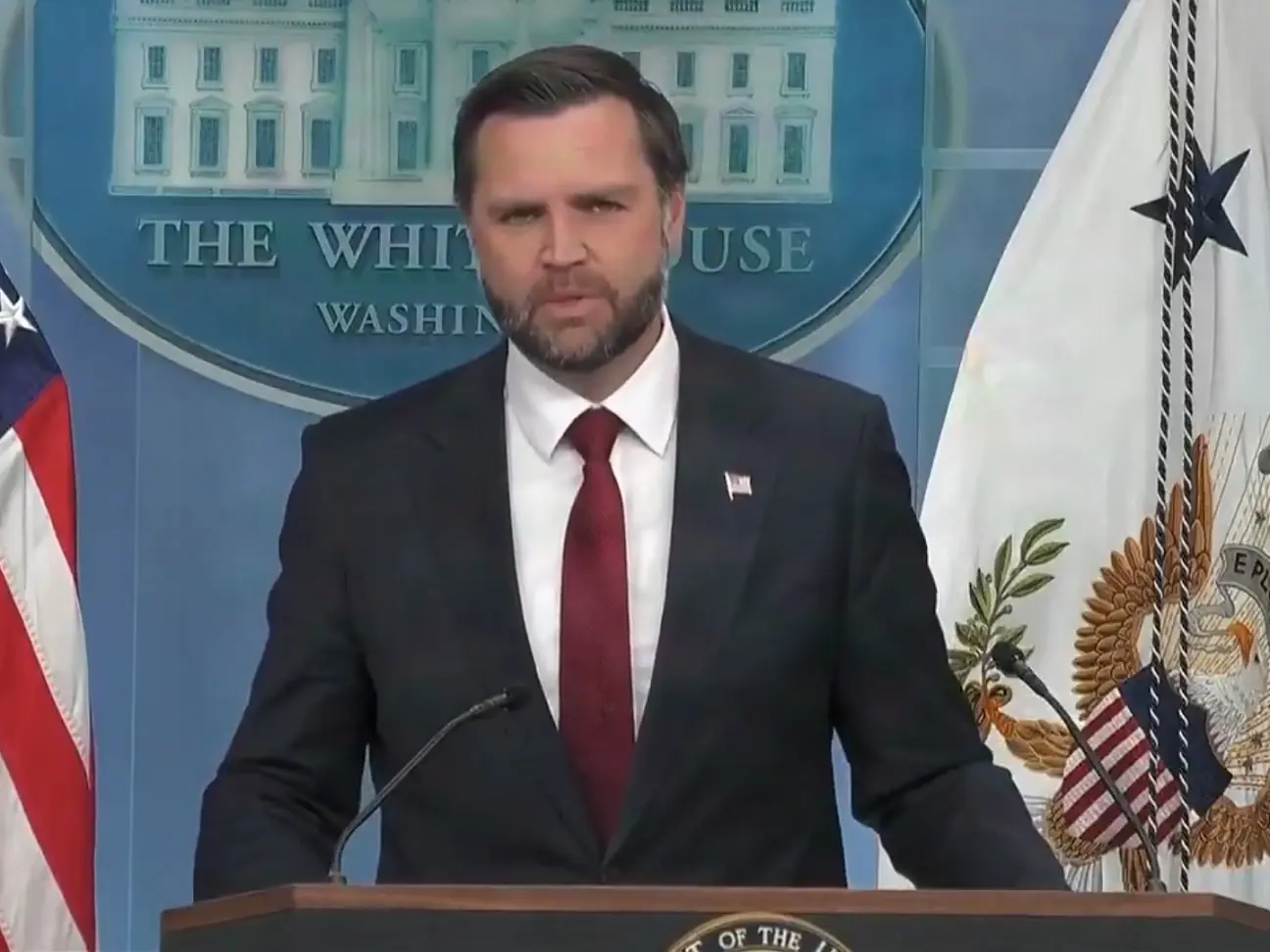)
‘I wouldn’t call it a war,’ says JD Vance on ongoing conflict with Iran
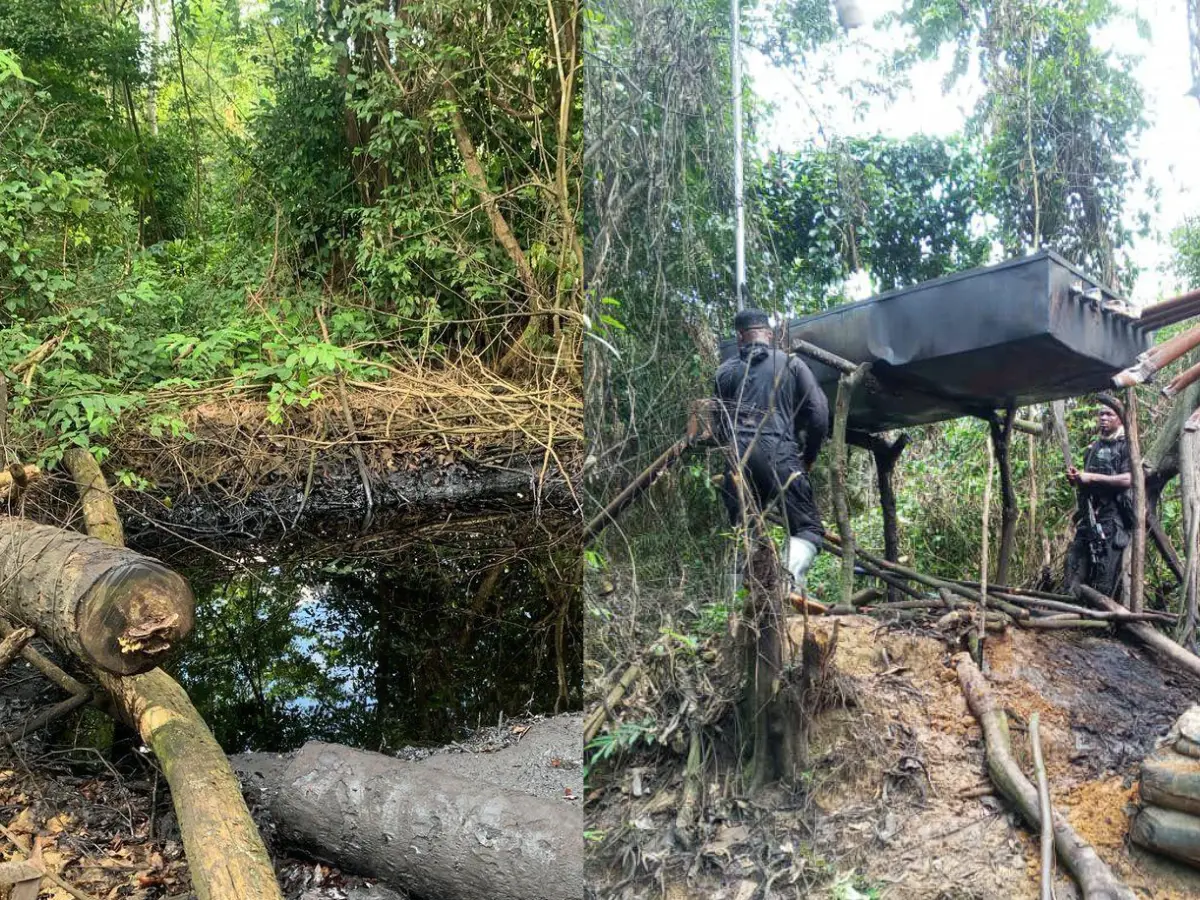)
Nigerian Navy discovers 99,000 litres of suspected stolen, illegally refined products as it intensifies anti-crude oil theft operations
)
Breaking | Vance takes the podium: First White House briefing since Leavitt's exit
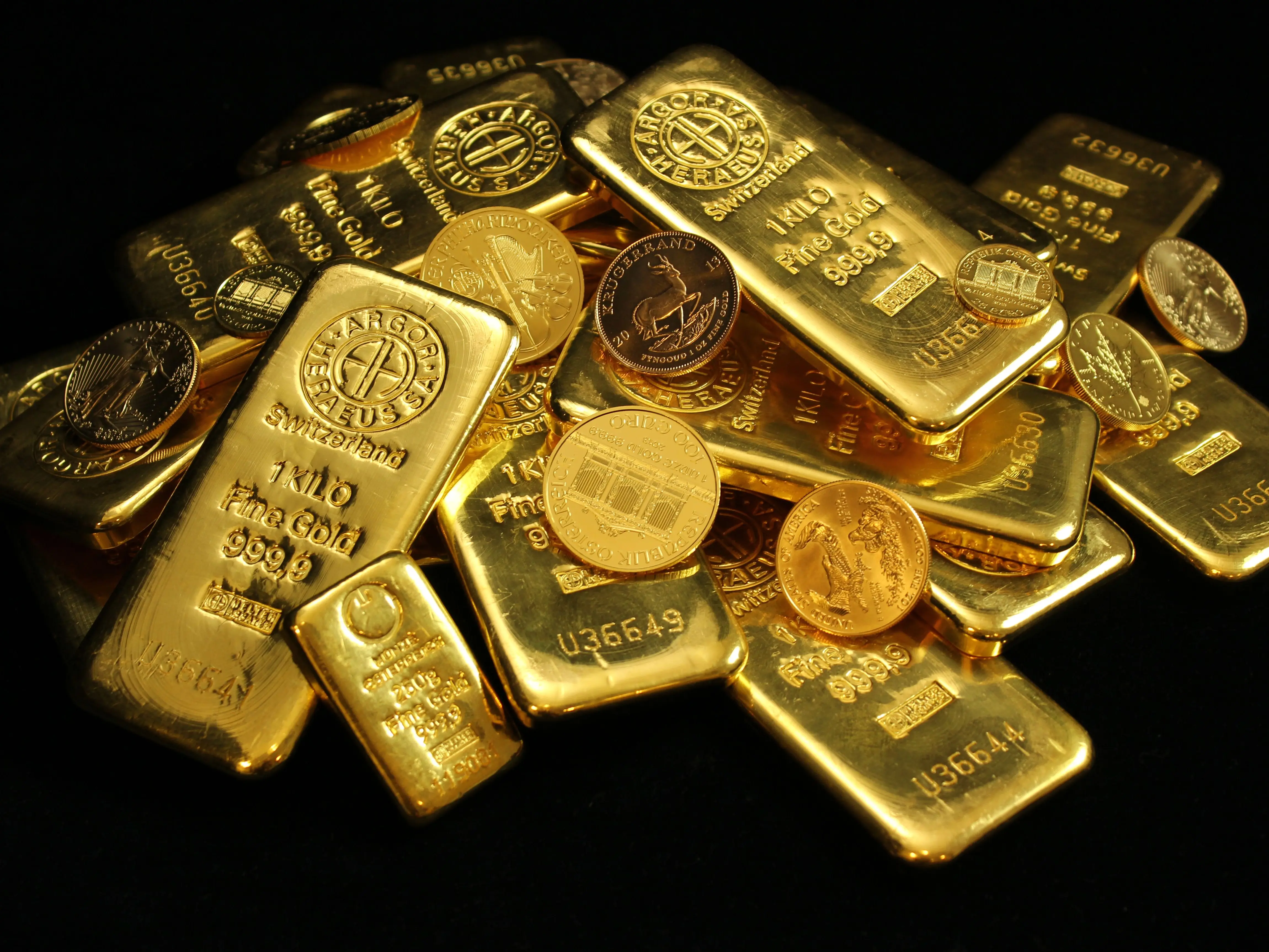)
Netherlands shifts 86 tonnes of gold reserve to UK citing geopolitical risks
)
Lollapalooza India 2027: From Olivia Dean to KATSEYE, check full lineup, dates and tickets
&im=FitAndFill=(700,400))
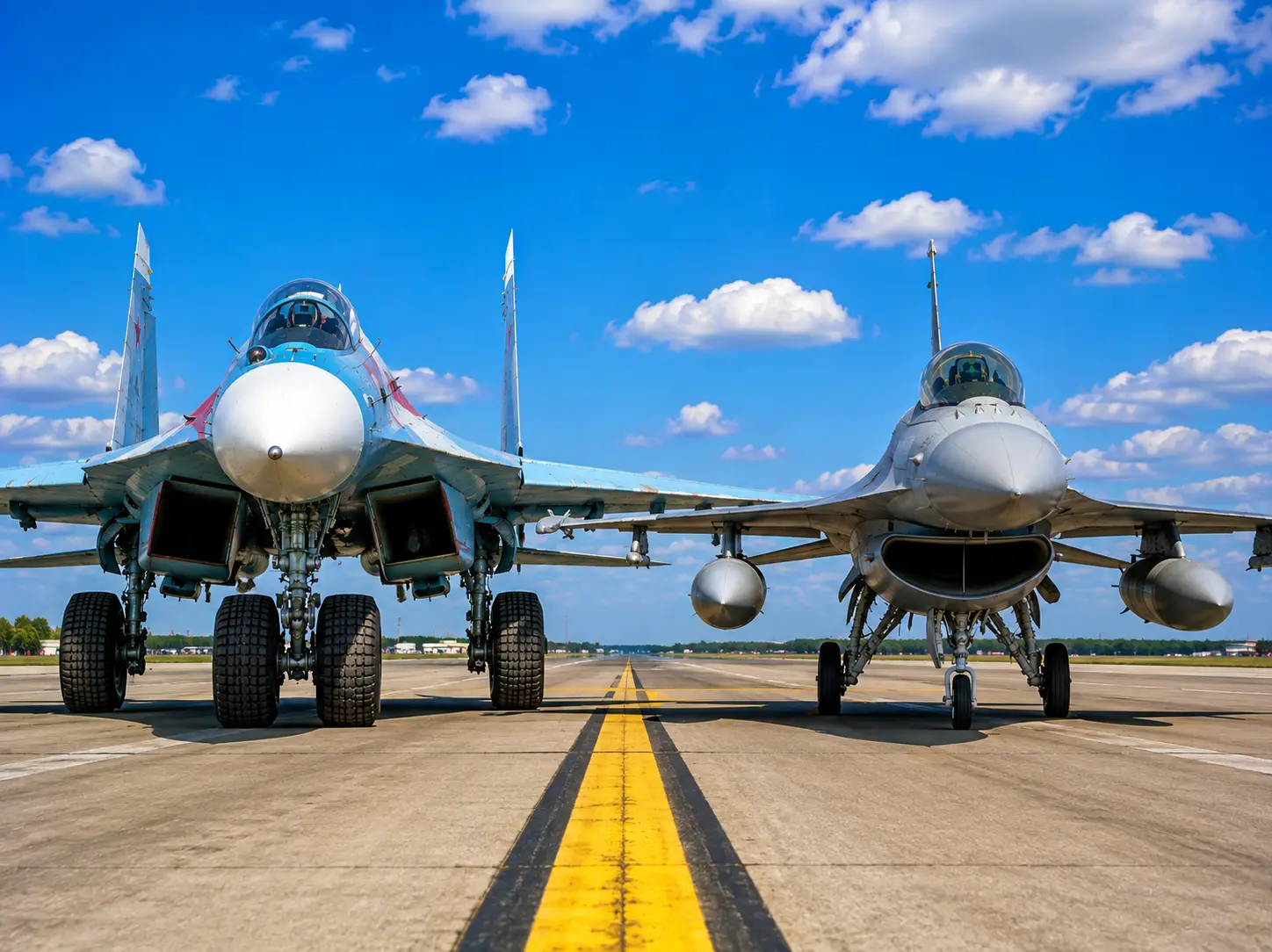
Why Russian fighter jets use bulky, low-pressure tyres compared to US jets
)
Inside Iran's shadow fleet: How Tehran dodges the US blockade at sea
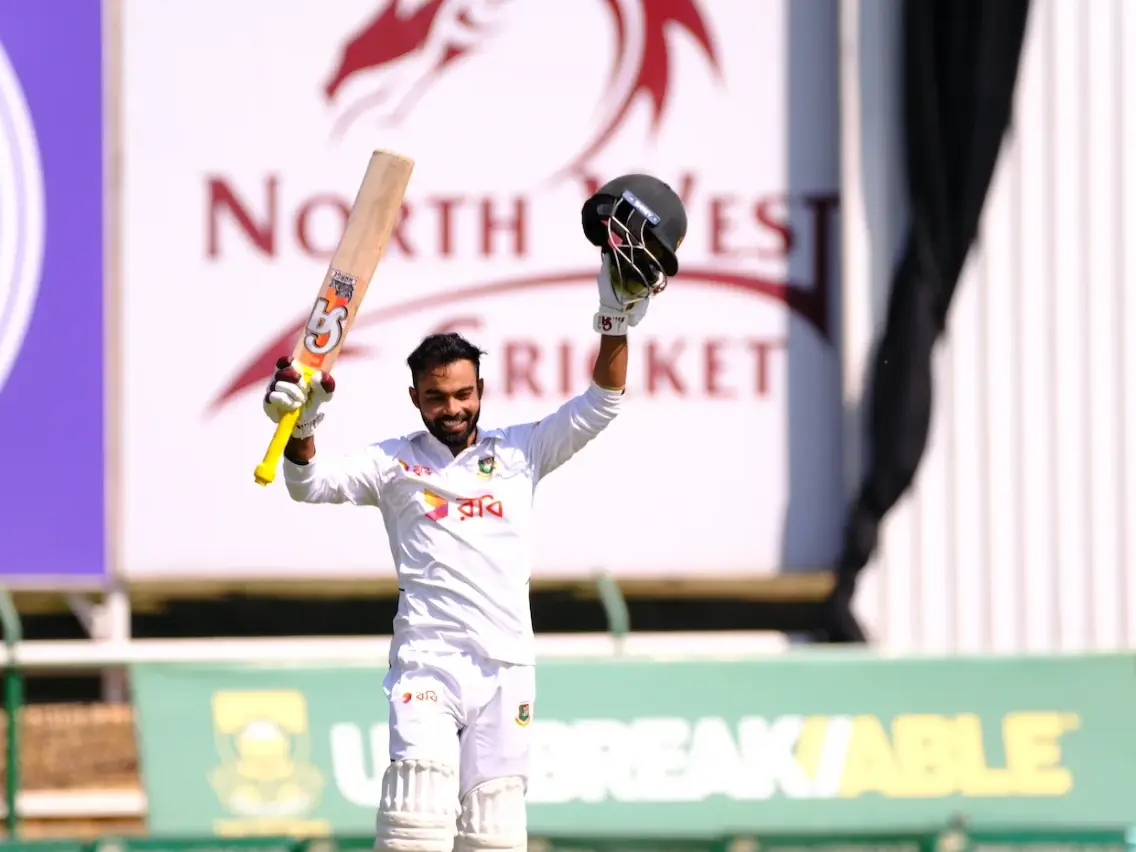)
Bangladesh batter Towhid Hridoy creates history with 350 not out in South Africa
)
Indian agencies uncover hawala, shell firms and fake trade used to hide illicit money, FATF says
Watch:PM Narendra Modi swearing-in ceremony: Security increased for PM Modi's swearing-in
While there is no confirmation on specific bilateral meetings, the gathering offers ample opportunities for the Indian PM to engage with multiple world leaders. Protocol dictates a bilateral meeting with the host, Italian Prime Minister Giorgia Meloni. While a meeting with Zelenskyy on the sidelines could be a possibility, Modi's attendance at the Swiss peace summit seems unlikely due to the new Parliament session likely commencing on June 15.
Post-G7, U.S. National Security Advisor Jake Sullivan will visit Delhi to engage the new government on U.S.-India priorities, including the strategic technology partnership under the Critical and Emerging Technologies (iCET) initiative.
The White House readout of the Modi-Biden congratulatory call confirmed the visit. The readout said the visit would be to "engage the new government on shared U.S.-India priorities, including the trusted, strategic technology partnership." His visit to Delhi, for the Critical and Emerging Technologies (iCET) initiative has been postponed in the past.
In early July, Modi will attend the Shanghai Cooperation Organisation (SCO) summit in Astana, Kazakhstan. This summit brings together leaders from Russia, China, Pakistan, Iran, and Central Asian countries. While Modi will likely have numerous bilateral meetings, any progress on Indo-China or Indo-Pakistan relations remains improbable.