Israel using 'unparalleled' AI to list out suspected Hamas targets: Report

Israel-Hamas war
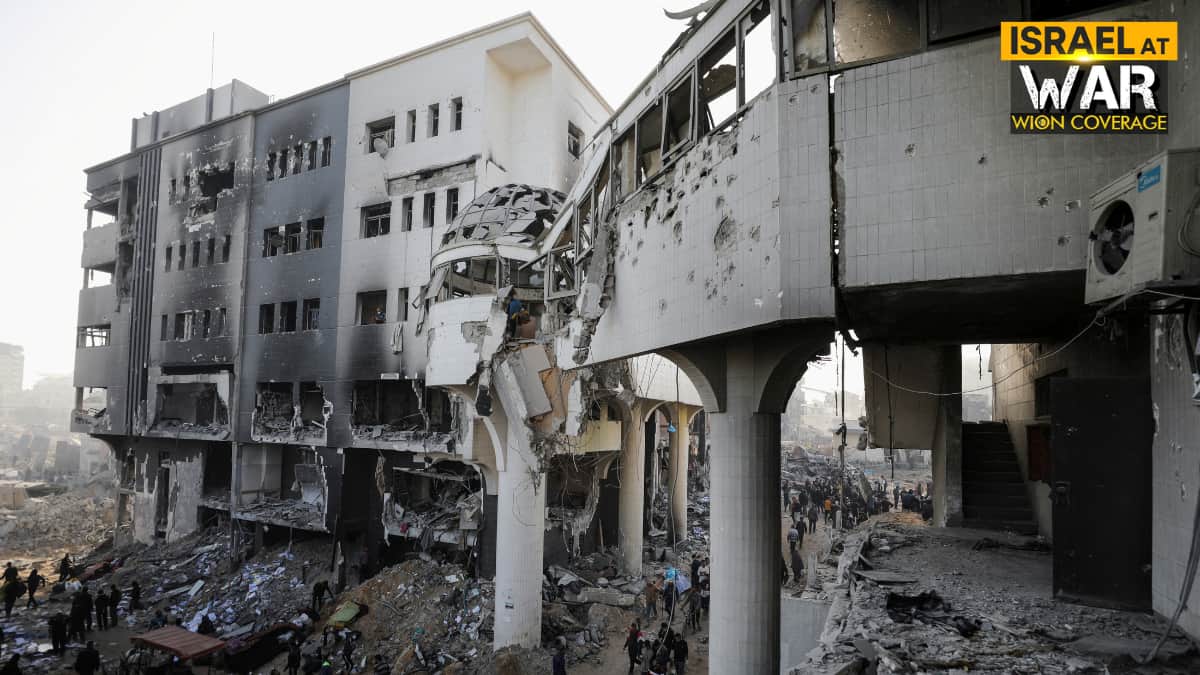
Israel reportedly used an Artificial Intelligence-based programme identified as "Lavender" to identify thousands of Hamas targets in the Gaza Strip and bomb them.
The report emerged amid Hamas leader abroad, Ismail Haniyeh, saying in a Wednesday (Apr 3) speech that the militant group is sticking to its original ceasefire and hostage negotiations demandthat Israel must halt all military operations in the Gaza Strip.
The ongoing war started after Hamas militants launched an unprecedented cross-border attack on Israel, killing about 1,140 people, mostly civilians, as per official Israeli figures.
Hamas also took some 250 people hostage, some of whom were later returned as part of a deal in exchange for Palestinian prisoners. In the aftermath of the attack, Israel responded with several strikes on Gaza that have killed more than 30,000 people, according to the Hamas-run territory's health ministry.
Use of AI to target Hamas?
In a report by the news agency AFP, security experts have said that Israel's ability to track down suspected Hamas militants is aided by unprecedented use of AI. It is generating targets at a much faster rate than was previously possible. The system is also estimating the collateral damage from its strikes.
With the use of the AI system, Israeli military officials reportedly allowed large numbers of Palestinian civilians to be killed. This mostly happened in the early weeks and months of the conflict.
As quoted by The Guardian, one intelligence officer who used Lavender, said, "This is unparalleled, in my memory." He added that they had more faith in a "statistical mechanism" than a grieving soldier.
"Everyone there, including me, lost people on October 7. The machine did it coldly. And that made it easier," the official added.
At least six of those who used that AI system gave testimoniesto journalist Yuval Abraham for a report published by the Israeli-Palestinian publication +972 Magazine and the Hebrew-language outlet Local Call.
The AFP report also mentioned that theIsrael Defense Forces (IDF) first advertised its use of AI-powered targeting after an 11-day conflict in Gaza in May 2021. The commanders had described it as the world's "first AI war".
The military chief during that conflict, Aviv Kohavi, reportedly told Israeli media ahead of the October 7 attacks that AI systems had enabled the IDF to identify "100 new targets every day". As compared to it, thehuman analysts could previously produce only "50 targets in a year".
In a blog on the Israeli military's website in November, it was noted thatits AI-enhanced "targeting directorate"had identified more than 12,000 targets in just 27 days.
Another AI systemcalled Habsora (The Gospel), produced targets "for precise attacks on infrastructure associated with Hamas, inflicting great damage on the enemy and minimal harm to those not involved," an unnamed Israeli official was quoted as saying.
Watch:Joint World Bank-UN report pegs Gaza's damages at $18.5 billion
Death of aid workers in Gaza
Israel has been facing wrath because of the current humanitarian situation in Gaza and the recent death of foreign aid workers. Israeli Prime Minister Benjamin Netanyahu called the incident a "tragic incident", but also said that "such accidents happen in wartime".
Meanwhile, Spanish Prime Minister Pedro Sanchez said explanations provided by Israel about the killing of seven people working for the aid charity World Central Kitchen in a Gaza airstrike were insufficient and unacceptable, demanding further details.
"That is unacceptable and insufficient, and we are awaiting a much stronger and more detailed clarification, after which we'll see what action to take," Sanchez told a news briefing on Wednesday while visiting Qatar.
Disclaimer: WION takes utmost care to accurately and responsibly report ongoing developments on the Israel-Palestine conflict after the Hamas attacks. However, we cannot independently verify the authenticity of all statements, photos and videos.
(With inputs from agencies)