Israel targets Hezbollah and Hamas sites in Lebanon despite ceasefire agreement

&imwidth=600&imheight=450&format=webp&quality=medium "Israel targets Hezbollah and Hamas sites in Lebanon despite ceasefire agreement")
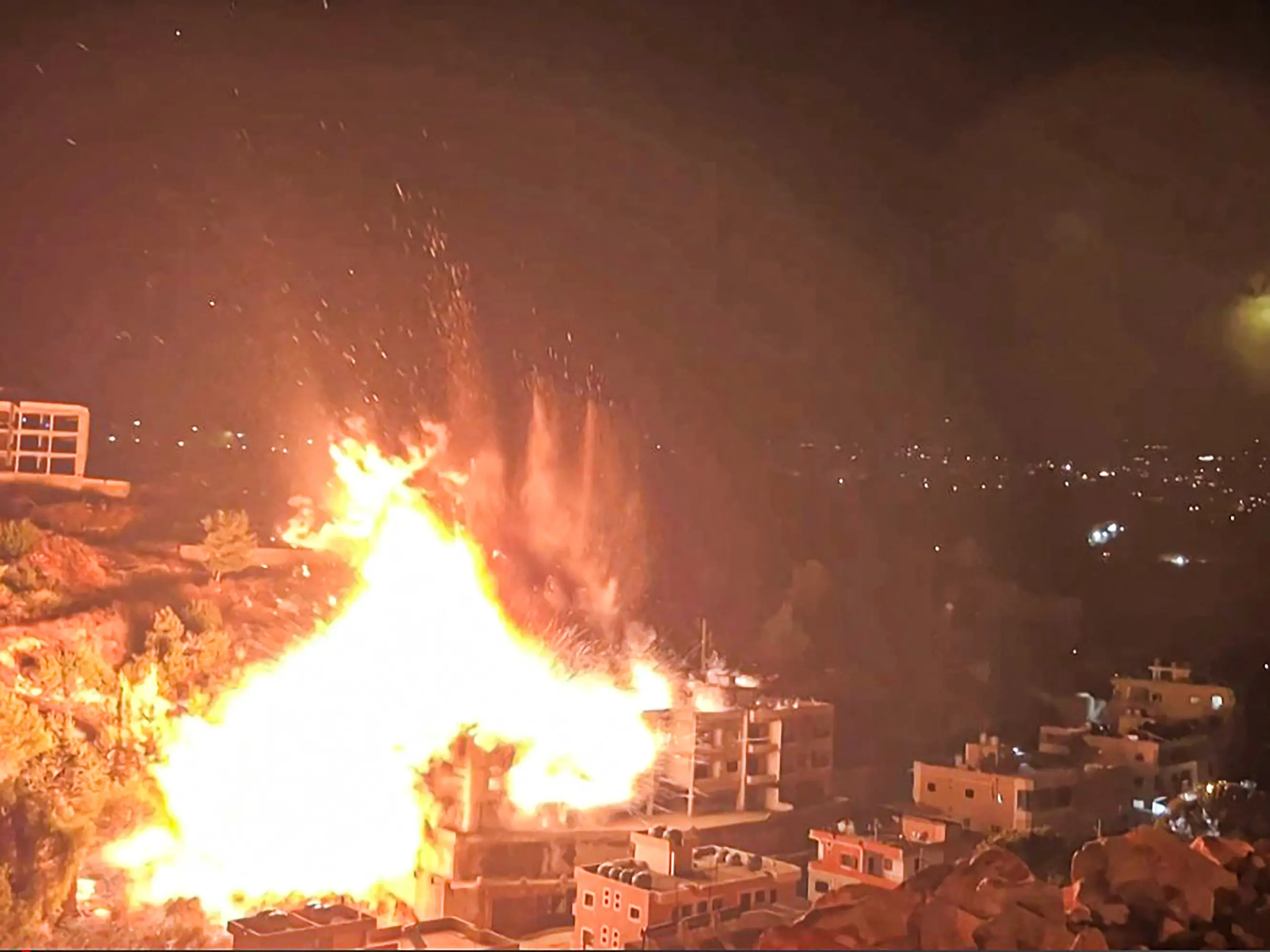
This image grab from an AFPTV footage taken on January 5, 2026, shows an Israeli strike on the village of Kfar Hatta, in southern Lebanon Photograph: (AFP)
Israel resumes airstrikes on Hezbollah and Hamas targets in Lebanon, defying the ceasefire. Tensions grow over Hezbollah's disarmament and US pressure on Lebanon
On Monday (January 5), the Israeli military launched airstrikes against what it identified as Hezbollah and Hamas ‘military targets’ across Lebanon. The strikes came after the military issued evacuation orders for four villages located in the country's eastern and southern regions. Earlier in the day, an Israeli military spokesperson had announced plans to target what they described as Hezbollah and Hamas military infrastructure in the villages of Hammara and Ain el-Tineh in the Bekaa Valley, as well as Kfar Hatta and Aanan in southern Lebanon.
This escalation comes despite a ceasefire agreement brokered by the US, which brought an end to over a year of intense fighting between Israel and Hezbollah. The truce was meant to pave the way for peace, but both sides have since exchanged accusations of violations. Lebanese authorities have faced increasing pressure from the US and Israel to disarm Hezbollah, which is heavily backed by Iran. Lebanese leaders are concerned that Israel could escalate attacks across Lebanon to force the government's hand in confiscating Hezbollah’s weaponry more rapidly.
Earlier in the day, a drone strike by the Israeli military hit a car in the southern village of Braikeh, injuring two people. Israel stated that the strike was aimed at two Hezbollah operatives. This follows a deadly Israeli airstrike on Sunday, which targeted a vehicle in the Ayn al-Mizrab area, located 10 kilometers north of Bint Jbeil. The attack killed two people, and Israel claimed it was aimed at a Hezbollah member.
Despite the ceasefire agreement, Israel has continued its airstrikes, citing violations and the ongoing threat posed by Hezbollah. Israel currently maintains military control over five regions in southern Lebanon. As the US and Israel exert greater pressure on Lebanon to disarm Hezbollah, Lebanese authorities fear that any further escalation could deepen the crisis, particularly as the country is already struggling with the aftermath of prolonged conflict. Lebanon’s army is expected to complete the disarmament of regions south of the Litani River, situated 30 kilometers from the Israeli border, by the end of 2025.

