Indonesia is boosting its green EV industry by burning massive amounts of coal

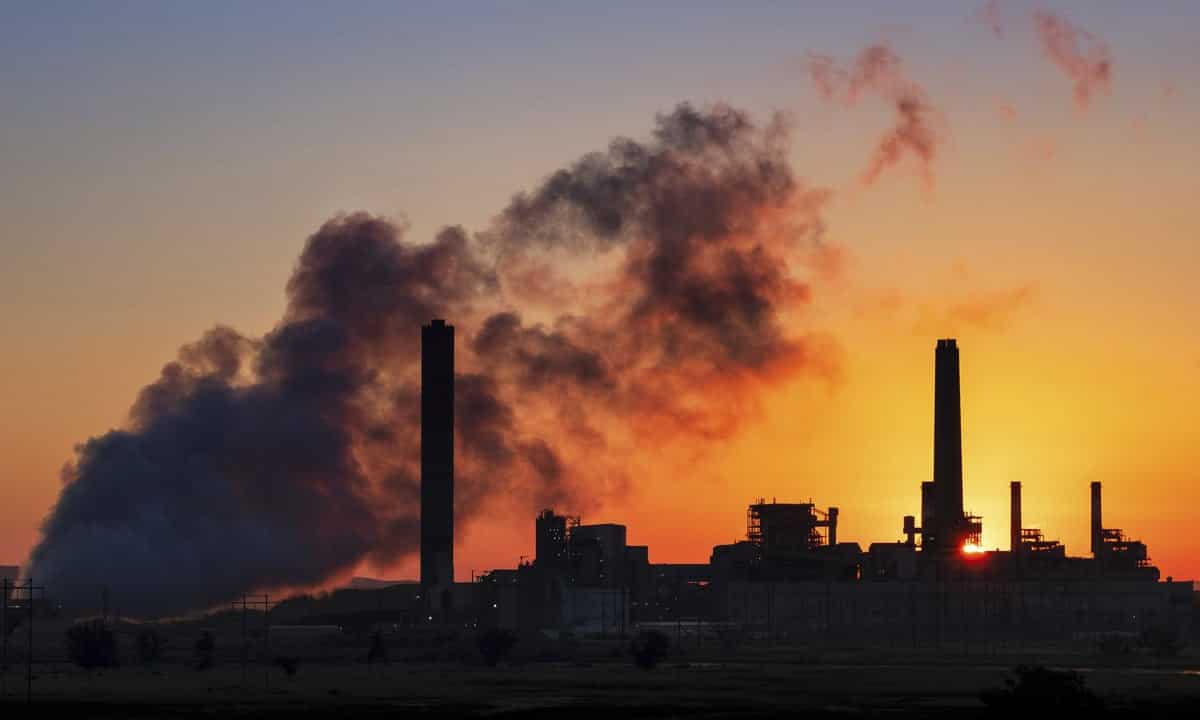
Image for representational purpose
Indonesia is rapidly increasing its reliance on coal-fired power plants to produce ‘eco-friendly’ electric vehicles and batteries.
The irony is striking.
Indonesia, already one of the world’s top CO2 emitters, is planning to bring more coal power online. The Southeast Asian nation currently has plants capable of producing 18.8 gigawatts (GW) of coal power under construction.
As per media reports, most of these plants will be dedicated to industries and commercial consumers, rather than regular grids. Aluminium smelters and nickel and cobalt processing facilities will be amongst those getting maximum benefit.
It is interesting to note that these industries are being vigorously promoted by the Indonesian government in order to turn the country into a major EV hub.
Indonesia’s top focus is EV manufacturing
Indonesia is swiftly increasing its nickel production in response to global demand. In 2022, the country witnessed a 60 per cent surge in nickel production, encompassing half of the world's total output.
The manufacturing of battery-grade nickel requires intricate metal processing, triggering the establishment of new smelters across Indonesia.
By the conclusion of 2022, the nation was home to 15 nickel smelters and had intentions to construct a minimum of six more.
Watch:Is Indonesia building its new capital at the cost of environment?
The demanding process of converting low-grade nickel into battery-grade nickel within these smelters requires substantial energy. This is where ‘captive coal plants’ enter the picture or those dedicated especially to these industries.
A recent CELIOS report underscores the close relationship between the surge in coal plant construction and electric vehicle battery production.
A majority of these plants are devoted to the steel and nickel processing sectors, concentrated on the Sulawesi and Maluku islands. These facilities are predominantly backed by Chinese companies.
Indonesia’s massive loophole
In 2021, President Joko Widodo's administration declared a halt to new coal-fired power plants after 2023.
However, the ongoing construction of various plants, including captive ones, is still permissible. This convenient loophole was established by a 2022 regulation that dilutes the moratorium and commitments to phase out coal.
According to this regulation, new coal plants can continue development and operation until 2050, provided they are "integrated with industries that focus on enhancing the added value of natural resources or are integral to national strategic projects contributing significantly to job creation and/or the nation's economic growth."
Since the nickel and aluminium smelters meet both criteria – metal refinement and national strategic importance – there exists no limitation on the number of coal plants that can be established to cater to their needs.
WATCH WION LIVE HERE