Indian embassy in China requests DNA samples from families to identify missing citizens

&imwidth=600&imheight=450&format=webp&quality=medium "Indian embassy in China requests DNA samples from families to identify missing citizens")
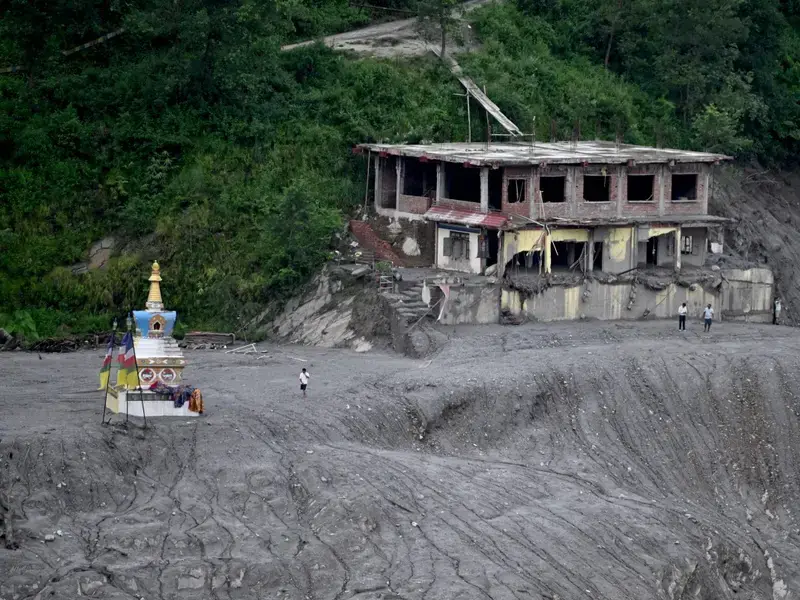
Indian embassy in China requests DNA samples from families to identify missing citizens Photograph: (Credit: AFP)
Indian Embassy in Beijing has requested families of Indian nationals missing after recent flash floods in the Tibet-Nepal border region to submit DNA samples. Chinese authorities are coordinating with the mission to help identify victims using CODIS-formatted DNA profile matching.
Following the catastrophic August 26 flash floods and mudslides near the Nepal–Tibet border, the Indian Embassy in Beijing has urged families of missing Indian nationals to submit DNA samples to aid identification efforts. Ministry of External Affairs spokesperson Randhir Jaiswal echoed the directive, sharing an official embassy press release after Chinese authorities confirmed they are equipped to match international DNA profiles.
To facilitate identification across borders, families must submit DNA profiles formatted under the Combined DNA Index System (CODIS) the internationally recognised profiling standard. The Indian Embassy will collect the standardised data and relay it to Chinese authorities. Should a match occur, officials will notify the embassy, which will immediately inform the victim’s relatives.
Also read: NEPAL FLOODS | Trishuli Valley Struggles To Rebuild After Deadly Glacier-Triggered Floods
The embassy requested primary blood samples from first-degree relatives, prioritising biological parents, spouses, and children, and encouraging samples from multiple siblings where possible. If no immediate family members survive, samples should be drawn from siblings, maternal relatives, or paternal relatives. Technical guidelines require DNA STR data for all samples, alongside Y-STR data specifically for missing males. Each submission must strictly display the missing individual's name, nationality, and passport number, paired with the relative’s passport details and sample ID. Guidance is available via the embassy’s dedicated helpline (+86 18514284905) or official email (cons1.beijing@mea.gov.in).
Also read: Nepal Rescue Operation | Indian Team Searches Trishuli Tunnels for Survivors After Deadly Floods
The flood disaster was triggered when the surging Bhotekoshi and Trishuli rivers severely inundated Rasuwa, Nuwakot, and Dhading, washing away bridges, hydropower projects, and vital infrastructure.
Ahead of Nepal's national day of mourning, Prime Minister Balendra "Balen" Shah commended security and rescue personnel navigating hazardous terrain to recover bodies and restore critical services. With cross-border search and rescue operations ongoing, regional authorities continue processing DNA data to offer closure to affected families.

