Hydro-Quebec worker charged by Canada federal police for sending trade secrets to China

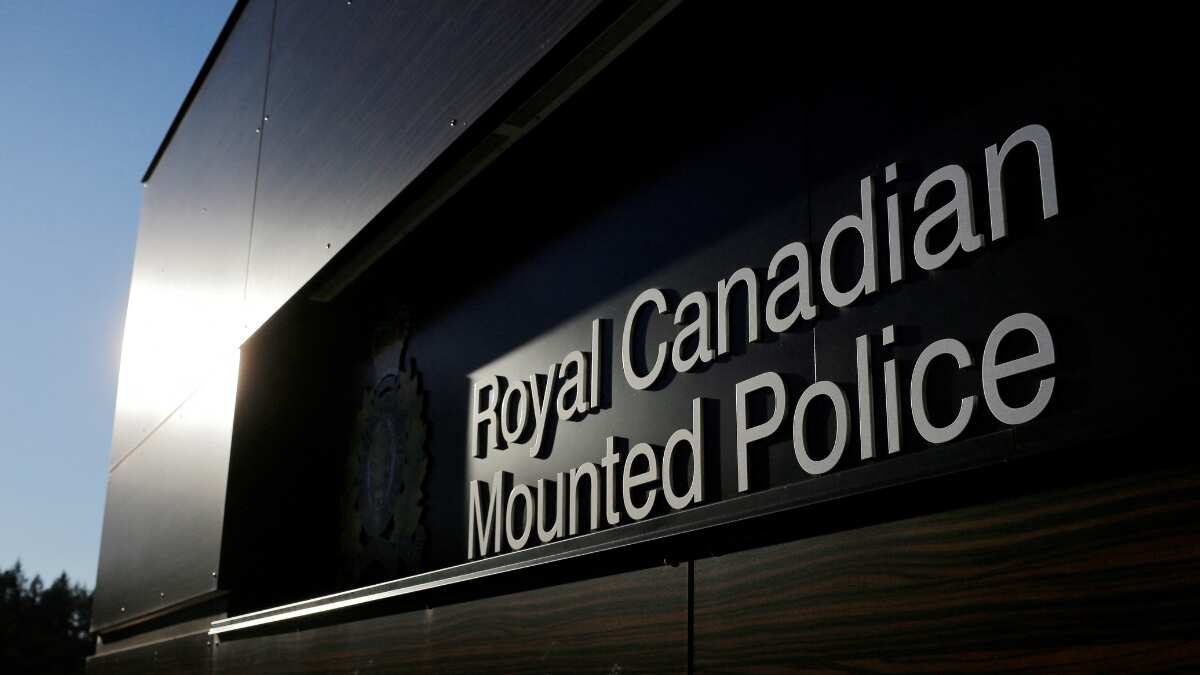
RCMP headquarters
An electric vehicle battery researcher at Quebec’s power utility, who was allegedly sending trade secrets to China, has been charged with espionage by Canada’s federal police. Thirty-five-year-old Yuesheng Wang's arrest is one in a string of several issues being faced by Canada, like accusations of Chinese interference and of meddling in its federal elections. There were also reports of secret “police stations” in the country’s largest city.
Wang's arrest was announced by the Royal Canadian Mounted Police following a months-long investigation.
"While employed by Hydro-Quebec, Mr. Wang allegedly obtained trade secrets to benefit the People's Republic of China (PRC), to the detriment of Canada's economic interests," the RCMP said in a statement.
Hydro-Québec, the fourth-largest hydropower producer in the world, is a provincially owned energy provider. It is responsible for overseeing the distribution of power throughout Quebec, along with to north-eastern United States and to Ontario.
Hydro-Québec in a statement said that Wang was a researcher and worked on battery materials with the Center of Excellence in Transportation Electrification and Energy Storage, known as Cetees. An RCMP special national security unit began investigating in August,policesaid. The centre Wang worked at developed technology for electric vehicles and energy storage systems.
“Our detection and intervention mechanisms allowed our investigators to bring this matter to the attention of the RCMP, with whom we have worked closely ever since,” said Dominic Roy, senior director responsible for corporate security.
“No organization is safe from a situation like this one, which is why we must always remain vigilant and transparent, and we must not tolerate violations of the company’s code of ethics."
All of Wang's accesses were revoked once he came under suspicion, the company said, adding that he did not have access to information related to Hydro-Québec’s “core mission”.
"Wang allegedly used this position to conduct research for a Chinese University and other Chinese research centers. He reportedly published scientific articles and submitted patents in association with this foreign actor, rather than with Hydro-Quebec," an RCMP spokesman said.
“This is the first time this charge has been laid in Canada,” Inspector David Beaudoin of the RCMP said in relation to the espionage charge under the Security of Information Act.
Justin Trudeau warned last week that China was “playing aggressive games” with the country’s democratic institutions. Reports suggest that the country also interfered in the 2019 elections.
Canada’s foreign minister, Mélanie Joly, said that China had become “increasingly disruptive” in recent years.
“It seeks to shape the global environment into one that is more permissive for interests and values that increasingly depart from ours,” she said. “And China’s rise as a global actor is reshaping the strategic outlook of every state in the region, including Canada.”
(With inputs from agencies)

