How can soda cans become tiny bombs and cause threat to flights mid-air?

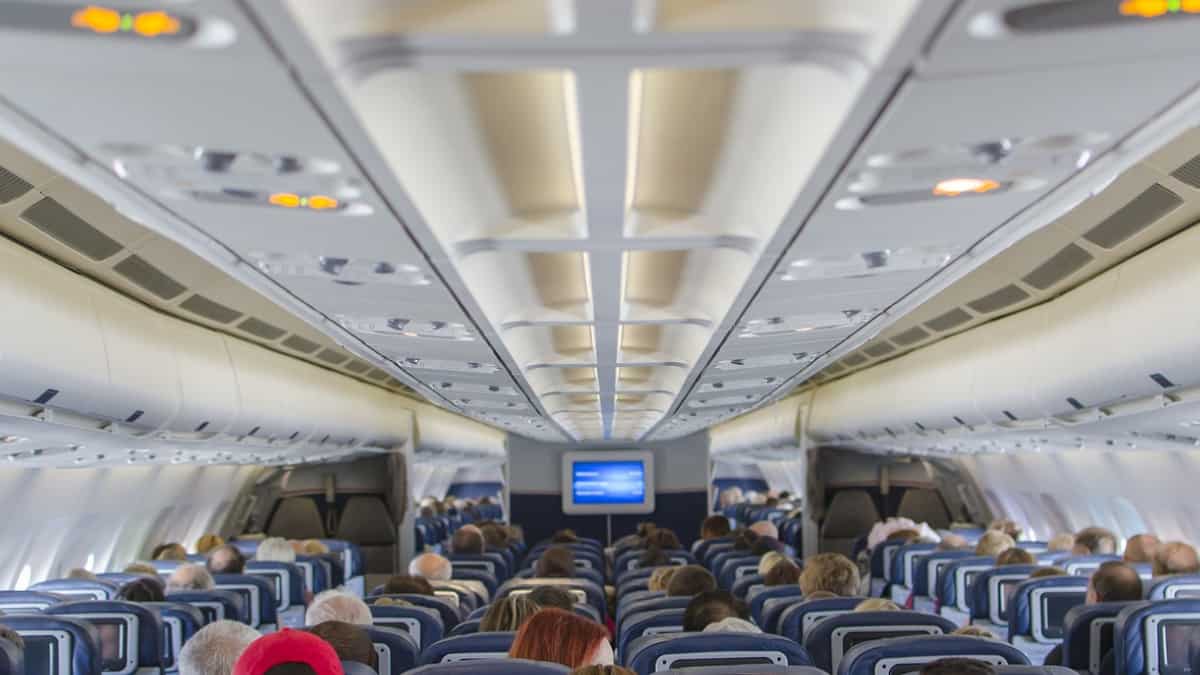
Plane
Southwest Airlines flights are facing problems because of soda cans. The airlines recently confirmed that the intense summer heat is causing soda cans to burst after being loaded on some Southwest Airlines flights, US-based media reported.
As per media reports, a Southwest spokesperson said in a written statement: "We're aware of the issue and have been taking steps to keep onboard beverages cooler, especially in our airports experiencing extreme temperatures. It's a cross-functional effort between our airport teams and those in the air."
The statement read, "Airports where we have a large presence — such as Las Vegas, Phoenix, and many in Texas — continue to receive record temperatures, with severe heat arriving earlier and persisting throughout the summer."
"For the safety of our employees and customers, we are taking education and mitigation measures on all heat-related hazards," it added.
Soda cans expand when exposed to temperatures higher than their normal operating temperature. When the can is moved, the pressure from the carbon dioxide within increases due to the heat, possibly bursting the can.
Some reports mentioned that the issue is seemingly different to Southwest Airlines as the company apparently handles in-flight beverages differently than other airlines.
Southwest loads and keeps beverages aboard its aircraft during intense heatwaves and does not carry perishables on board. Therefore, air-conditioned catering trucks are not needed to serve food and beverages to the aircraft aboard. It is often seen that drinks on Southwest provisioning trucks are more frequently exposed to outside temperatures.
Watch:Harris says she is 'underdog,' Trump goes on offense
Airline officials reportedly said that they came across several instances in which carbonated drink cans burst. This has led to a mess on board, injuring roughly 20 staff members this summer.
As quoted by CNN, Kate Biberdorf, who is a chemistry professor at the University of Texas at Austin, said that the cans containing carbonated beverages are under such immense heat-driven pressure they are like "little bombs" capable of rupturing with the slightest movement.
In a warning, Biberdorf said, "I don't want to say that to scare people, but that's really what you should think of them as."
(With inputs from agencies)