Great Greek compromise for Parthenon marbles? Athens agrees to give away its ‘greatest treasures’ to Britain

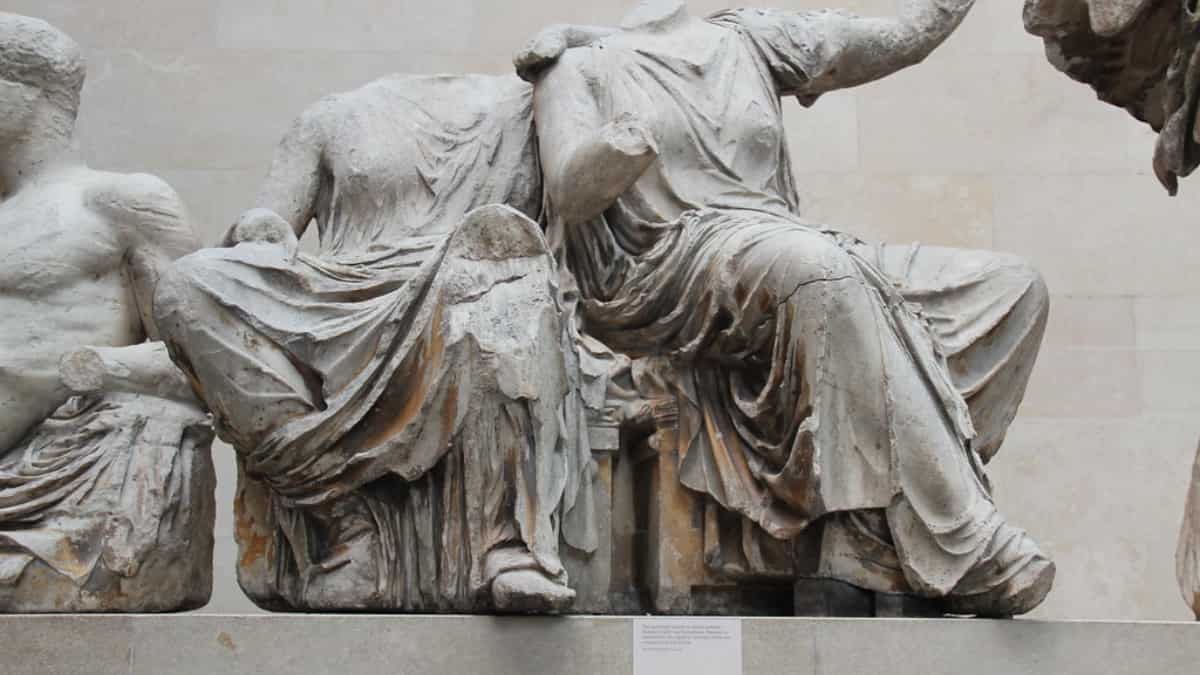
Parthenon marbles on display in British museum.
Greece Culture Minister Lina Mendoni said that the country is willing to part with some of its greatest treasures so as to “fill the void” present in the British Museum if they are handed over the Parthenon marbles.
While speaking to the Guardian at the end of the year which marked their campaign for retrieving the fifth-century BC masterpieces, Mendoni vowed that the revered Greek galleries of London institution will never go empty.
“Our position is clear. Should the sculptures be reunited in Athens, Greece is prepared to organise rotating exhibitions of important antiquities that would fill the void,” she said.
Speaking about any particular works which have been requested by London, the minister - who is a classical archaeologist by training - said that the discussions between the two countries have not extended to “specific artefacts”.
However, the minister for the first time gave a glimpse of how far Athens was willing to compensate to the British Museum in return for the sculptures - which are seen as a high point of art in the classical age – adding that any antiquities sent to the UK will also attract a lot of attention.
“[They] would fill the void, maintain, and constantly renew, international visitor interest in the Greek galleries of the British Museum,” said Mendoni, although she cautioned that “any agreement and all its particulars, would have to be in accordance with the Greek law on cultural heritage”.
UK, Greece discuss cultural exchange
Although the plan of cultural exchange was mooted after Greece Prime Minister, Kyriakos Mitsotakis' centre-right New Democracy party came to power in 2019, there have been speculations that treasures, which include Agamemnon’s Mask – the gold funerary mask which has been called the “Mona Lisa of prehistory” by some historians - will be sent to Britain in return for the marbles.
Currently, the two sides have started to speak about “a partnership” which can offer a “win-win” solution in resolving the row. British Museum’s chair George Osborne, while speaking about the steps taken by Athens to reunite the marbles, appeared more determined to handle the issue head-on compared to any of his predecessors.
Watch:Greece demands return of 2500-year-old Parthenon sculptures from UK
He is the first museum chairperson who has acknowledged the controversy regarding the presence of antiquities in the British Museum publicly. In 1816, the marbles were bought by the museum from a bankrupt Lord Elgin, who was a former ambassador to the Ottoman Empire. Lord Elgin had himself got the marbles removed from the Parthenon temple and other places on Athens’ Acropolis with the use of marble saws.
This year, the former chancellor has more than once hinted that a compromise settlement is likely to be in the offing. “We want to create a proper partnership,” said Osborne, while speaking to MPs on the culture, media and sport committee in October. “[One] that would mean objects from Greece coming here, objects that have potentially never left Greece before and certainly never been seen before, and objects from the Parthenon collection potentially travelling to Greece," he added.
(With inputs from agencies)