
&imwidth=800&imheight=600&format=webp&quality=medium "Gold and silver prices fall after historic rally: What is causing flash crash?")
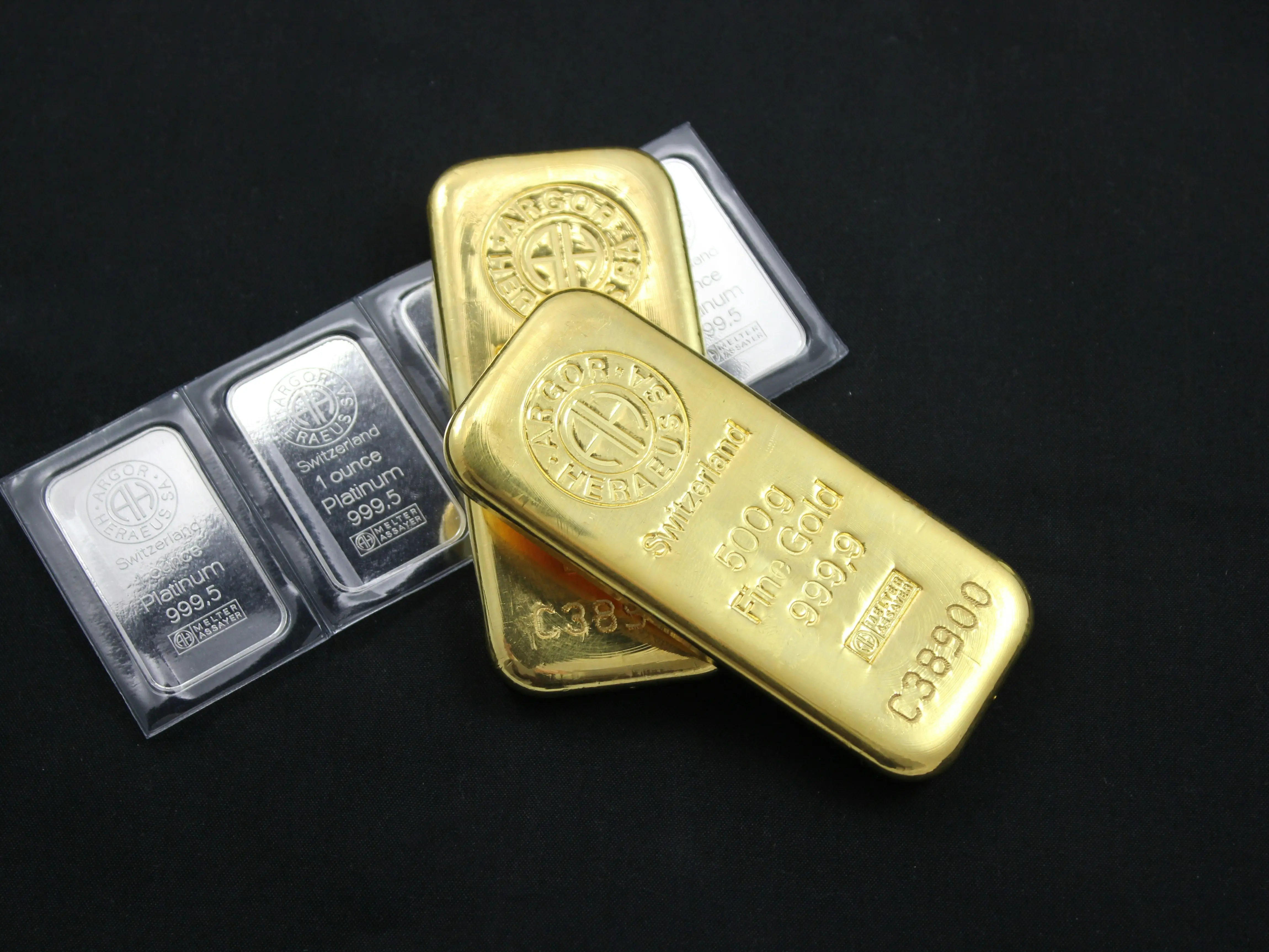
Gold and Silver show a flash crash on January 30 after record braking rally to an all-time high of $5,600 and $122 per ounce for Gold and Silver, respectively, in the US. The above-ground gold value swinging costs a rough estimation of more than $3 trillion in minutes amid US-Iran tensions. The market showed some resurgence on Friday and recovered to around $5,300 before crashing again, dropping below $5,000 to $4,941, a 7-8 per cent daily fall. The crash occurred primarily in COMEX futures and paper silver contracts.
Why did Gold and Silver prices crash?
We are witnessing a potential structural shift in the precious metal market. Analysts are pointing to certain reasons, like profit-making and a slight rebound in the dollar, and a new Fed chair has been appointed, Kevin Warsh, who replaced Jerome Powell. Trump's tv show like antics for his Fed Chair decision all culminated in the volatile activities. However, many point towards a far darker trend, "market spoofing," illegal only if proved. The combination of record highs and flash crashes is creating a shock & awe situation, to shake off weak hands, which is in market language called “volatility”. There are subtle hints of market manipulation and forced liquidation. According to Oxfam, the top 10 per cent hold about 93 per cent of the US households' stock market wealth. The hypothesis is that the ultra-wealthy are triggering mass liquidation by dumping huge quantities of future contracts, overwhelming buy-side liquidity, and thus crashing the price. Retail investors must post more cash or risk auto liquidating, this creates a cascading effect of forced liquidation. Then there will be a brief reprieve, and then again crash to wipe out the remaining investors. It prevents gold and silver from revealing the fiat currency weakness as the dollar fiat regime is heading towards a fall. The evidence supporting the hypothesis is that timing seems too convenient: gold reaches an all-time high of $5,600, and then immediately crashes by $500 in the same session. China halts trading in five commodity funds the next day to limit risk and volatility, isolating its market. As swings will intensify, banks and market makers will struggle to hold on to liquidity, retail investors will panic and sell, and institutional investors will capitalise. This lies in the zone of speculation, hard to prove due to the opaque nature of the market and the anonymity of free trading.


