From ‘America strong because of H1B’ to ‘broken program’: Musk’s flip-flop on US visas resurfaces

&imwidth=600&imheight=450&format=webp&quality=medium "From ‘America strong because of H1B’ to ‘broken program’: Musk’s flip-flop on US visas resurfaces")
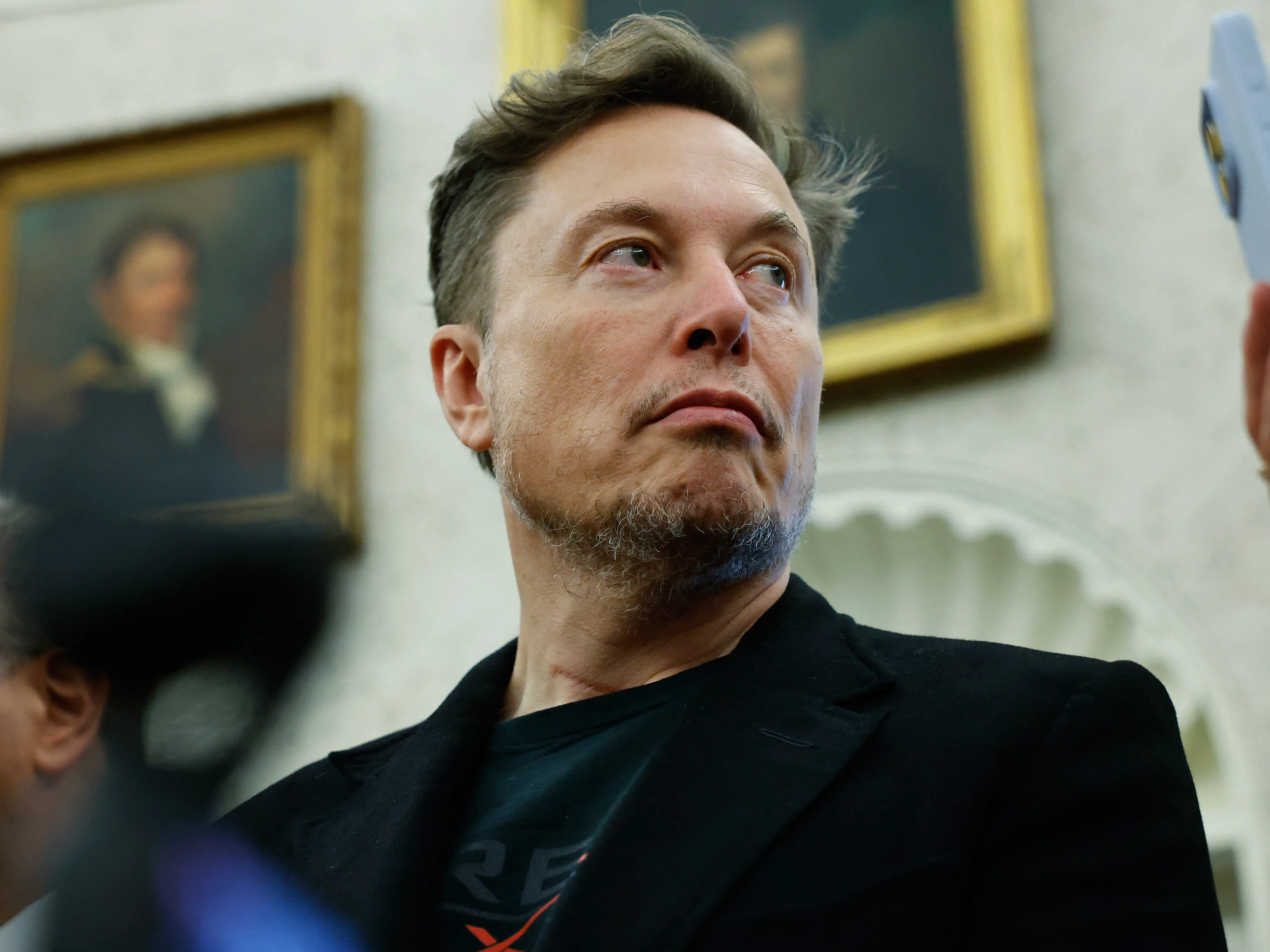
Elon Musk Photograph: (AFP)
Last year in December, before Trump was elected as the president, the billionaire said that the H-1B system needs to be overhauled. However, hours later, he said that H-1B system a role in the success of his companies, Tesla and SpaceX.
After US President Donald Trump announced a major overhaul in the country’s immigration policy, imposing a fee of $100,000 on H-1B visas, a series of contradictory statements made by his former ally, Elon Musk, has resurfaced on social media. The Tesla CEO’s flip-flop on the issue from defending the H-1B visa system to calling it a “broken” programme that needs “major reform” has drawn attention on the internet.
Last year in December, before Trump was elected as the president, the billionaire said that the H-1B system needs to be overhauled. “No question that the H1B system needs to be overhauled,” Musk said in a post on X on December 28.
However, hours later, he said that H-1B system a role in the success of his companies, Tesla and SpaceX. Musk, who immigrated from South Africa, added that he is able to reside in the US because of the H-1B visa programme.
“The reason I’m in America along with so many critical people who built SpaceX, Tesla and hundreds of other companies that made America strong is because of H1B,” he said. “Take a big step back and F**K YOURSELF in the face. I will go to war on this issue the likes of which you cannot possibly comprehend.”
A day later, he again changed his opinion on the matter and called the programme “broken” while seeking “major reform”. He suggested increasing the minimum salary and imposing an annual fee for maintenance.
“Easily fixed by raising the minimum salary significantly and adding a yearly cost for maintaining the H1B, making it materially more expensive to hire from overseas than domestically. I’ve been very clear that the program is broken and needs major reform,” he wrote on X.
On Friday (Sep 21), Trump announced raising the annual fee for H-1B visas to $100,000 for high-skilled foreign workers. The move is likely to impact Indian professionals who account for about three-quarters of the total visa holders and work in the US tech sector.
The H-1B visas allow companies to sponsor workers from abroad with specialised skills, including scientists, engineers, and computer programmers, to work in the United States. The visa permits workers to be in the US for three years initially, although it can be extended to six.

