Explained: Is Europe’s antibiotic shortage going to get worse? Here’s what we know

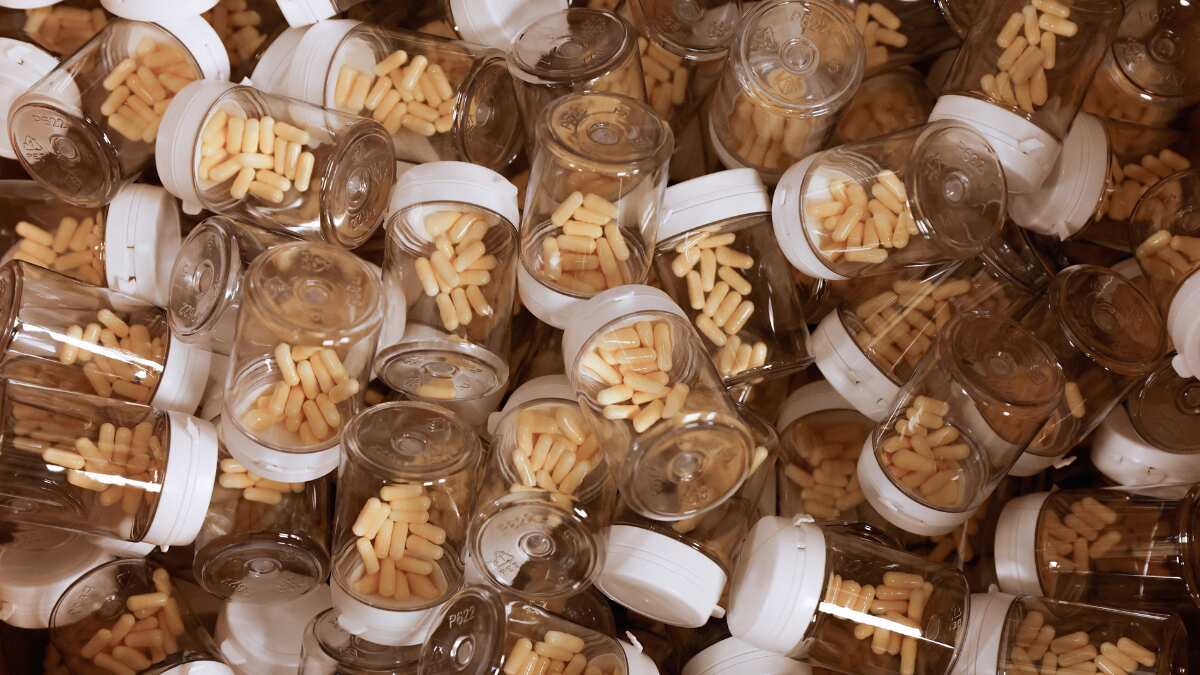
Amoxicillin
The shortage of antibiotics in Europe made headlines late last year, with most manufacturers citing supply-chain issues and a rise in demand across the continent for medicines. However, a report by Reuters published on Wednesday (February 8), suggests that their problems might not be over just yet. The news agency spoke to 13 European manufacturers and six generic drug industry associations and trade groups and noted that many firms are struggling to make enough money to continue to justify making antibiotics.
What has happened so far?
In December, pharmacies across the United Kingdom and France reported they are running out of key antibiotics which came amid a surge of post-Covid winter infections like strep throat. Some of these medicines included amoxicillin (used to treat a number of respiratory infections) as well as the common painkiller paracetamol.
However, even at the time, the phenomenon was not unheard of as a similar situation took place during the COVID-19 pandemic while the recent one was also attributed to the ongoing conflict in Ukraine and supply chain issues. Additionally, it was also attributed to the fact that India and China produced at least 60 to 80 per cent of the world’s active pharmaceutical ingredients and with this kind of market concentration comes risks.
As China was still facing Covid-related restrictions, even though they were later dropped, to some extent it delayed the European procurement of ingredients, packaging and other components needed to manufacture medicines. Additionally, since the Russian invasion of Ukraine and subsequent sanctions, Europe also faced a spike in energy costs which made energy-intensive production difficult to maintain.
According to a survey of 29 European countries including the EU members and Turkiye, Kosovo, Norway and North Macedonia, reported a shortage of some 600 medicines while 20 per cent reported a shortage of at least 200-300 drugs, as per Politico. Additionally, the survey conducted between mid-November and December 31, last year, also showed that three-quarters of those countries that responded witnessed worse shortages this winter when compared to 2021’s winter.
EMA decides antibiotic shortage not a “major event”
Since the beginning of the year, many reports regarding the antibiotic shortage in Europe continue to emerge as seasonal infections saw a surge after all COVID-19 restrictions ended and people went back to their daily lives. Experts attributed this rise in seasonal infections to our weaker immune systems not used to the germs we encounter in day-to-day life. This surge of infections also caught drugmakers off guard who were also largely unprepared for the rise in demand.
ALSO READ |Antibiotics shortage is getting scary, is it really significant? Know everything about it
On January 26, the drug regulator, European Medicines Agency (EMA) termed the antibiotic shortage on the continent not a “major event”. However, if the situation was to be categorised it would allow EMA to coordinate action with countries across Europe as well as increase the reporting obligations of manufacturers. Notably, the drug regulatory body’s decision accounted for shortages of certain widely used antibiotics, including amoxicillin.
The EMA did acknowledge that nearly all European countries are currently witnessing antibiotic shortages. Furthermore, reports suggest that drugmakers also cut output when the demand decreased at the height of the Covid pandemic. Prior to the release of the statement by EMA, a group of patient and consumer groups wrote to the regulatory body and said there was not enough action being taken to tackle the shortages.
Additionally, they also noted, the use of alternative antibiotics was affecting the supplies of other medicines and called for the EMA to declare the situation as a “major event”. They also acknowledged that although it would not solve the crisis immediately it would at least offer some regulator visibility into the extent to which the antibiotics shortage is affecting different countries across the continent, reported Reuters.
What are the drug manufacturers saying about the shortage this time around?
According to a report by Reuters, drug manufacturers are reluctant to increase production with prices of generics regulated at a time when the conflict in Ukraine has led to an increase in the cost of virtually everything including components like energy to run the factories, cardboard for packaging and even aluminium for bottle caps.
“We cannot keep this capped pricing when all of our production, logistics and regulatory compliance costs are increasing at double digits or more”, said the director general of lobby group Medicines for Europe, Adrian van den Hoven to Reuters. The group represents makers of generic drugs in the region and this reluctance suggests that the issue of antibiotic shortages is not going to be tackled any time soon or even worsen.
How is the cost of generic medicine decided?
According to Medicines for Europe, generic medicines account for nearly 70 per cent of all dispensed medicines in the continent but only 29 per cent of the money is spent on drugs by national health agencies. Prior to launching tenders, many European governments compare the price of generic medicines to other markets in the region or similar ones within the country which then becomes the reference price and also serves as a benchmark for negotiations with suppliers, as per Reuters. Therefore, the contract typically goes to those who offer the lowest price which, according to the drugmakers, puts pressure on prices in tenders that come after.
ALSO WATCH |Europe: UK reports shortage in supply of antibiotics; doctors to recommend shorter courses
Reportedly, over the past decade or so, this has led many European companies to either cut output or move the manufacturing of this type of medicine and active pharmaceutical ingredients (APIs) out of the continent. This includes countries like India and China where the costs are much lower and where the production is now concentrated.
The European generic medicine makers have attributed this tender system and regulated prices to their downfall while also saying that they are being undercut by suppliers from Asia. Therefore, industry experts have called for an overhaul of pricing schemes which could encourage production in Europe to both avoid future shortages and reduce dependency on Asian countries for essential medicines, reported Reuters.
(With inputs from agencies)
WATCH WION LIVE HERE
You can now write for wionews.com and be a part of the community. Share your stories and opinions with us here.