EU chief calls for curbing electricity use, windfall taxes on energy firms to tackle high prices

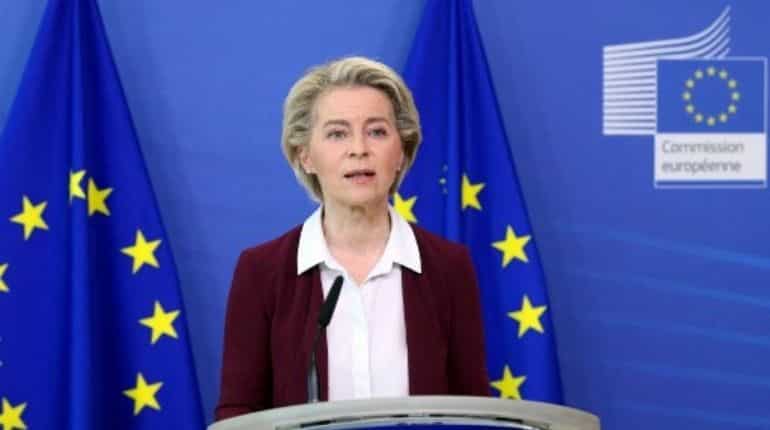
Ursula von der Leyen
Ursula von der Leyen, the head of the European Union (EU), has called for reductions in electricity consumption across the union and windfall taxes on energy companies to combat excessive prices.
She informed the European Parliament that following Russia's invasion of Ukraine, gas and energy prices had reached all-time highs. She demanded a minimum five per cent reduction in electricity use during peak hours.
However, proposals to control the cost of natural gas, a significant Russian export to the EU, were postponed.
The Strasbourg plan calls for skimming off low-carbon electricity companies' earnings and enacting a de facto windfall tax on the oil, gas, and coal industries in order to raise "excess revenues."
The estimated €140 billion (£121 billion; $141 billion) in funds would benefit individuals and companies in all 27 member nations of the European Union.
In the hopes of reaching a consensus by the end of this month, the EU's member states will carefully consider the ideas.
Leyen's who will be reach Ukraine on Wednesday on her second visit said,"Europe's solidarity with Ukraine will remain unshakeable."
Olena Zelensky, the wife of VolodymyrZelensky, attended the address in the legislature as a special guest.
Making ends meet was "becoming a source of anxiety for millions of businesses and households," according to Ms. von der Leyen.
Also Read:Before and after images show dramatic expansion of Bahrain by building land on sea: 1987 vs 2022
She stated that it was unfair to benefit from the war and reap remarkable record profits in these troubled times.
Since June, Ukraine has been formally applying to join the EU. It recently launched a counteroffensive to push back Russian forces, and this month, it reportedly reclaimed thousands of square kilometers of terrain in the east and south.
Russia, a major provider of energy, and the EU, which imposed severe sanctions in response to the invasion, are engaged in a financial war.
(with inputs from agencies)