
&imwidth=800&imheight=600&format=webp&quality=medium "Does this Nobel winner know that he won the medicine prize? He is 'off grid', in the wilderness, on a hike")
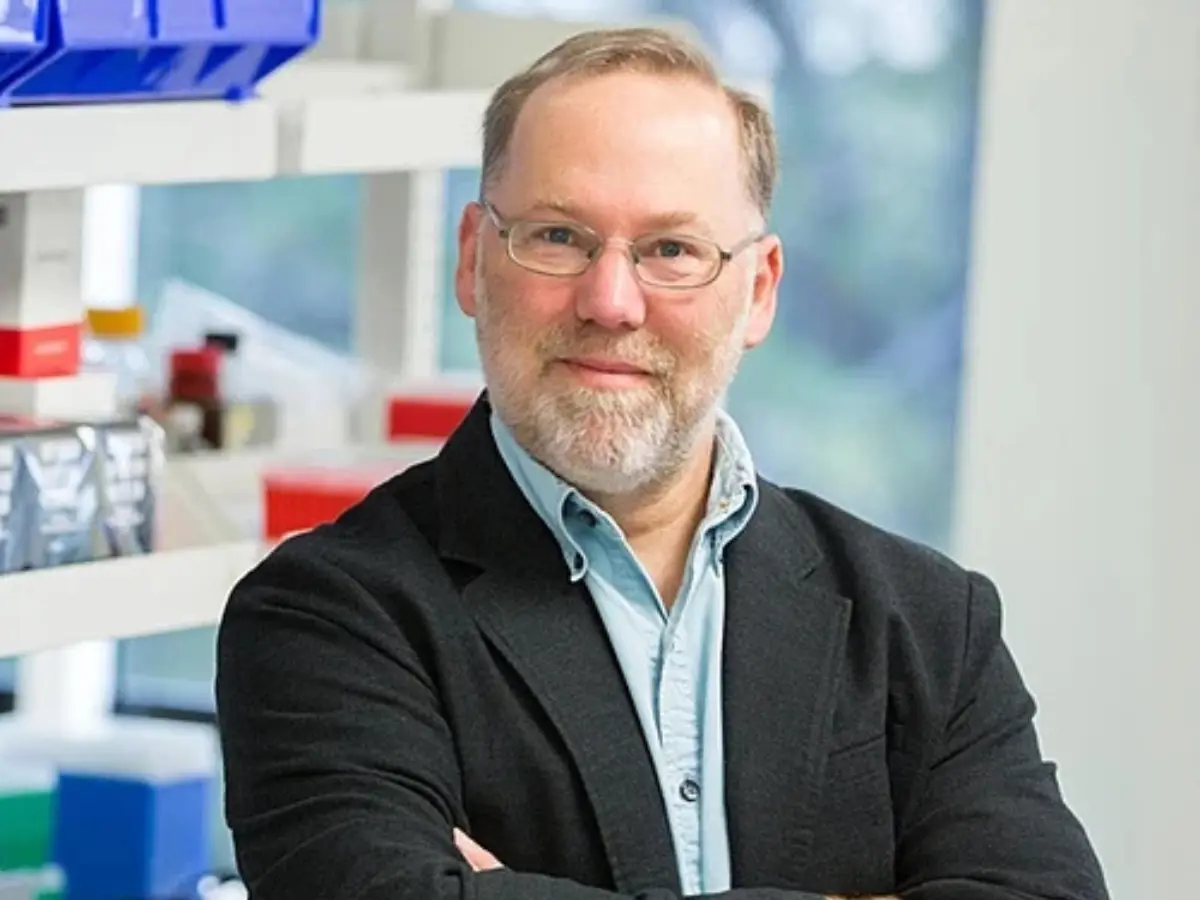
Fred Ramsdell, one of the recipients of this year's Nobel Prize in medicine, is known for his groundbreaking work in immunology and his remarkable work-life balance. In fact, he might still be unaware of his award, as he's currently on a remote hiking trip, completely disconnected from digital devices. Ramsdell, a senior advisor at Sonoma Biotherapeutics in San Francisco, shares this prestigious honour with Mary Brunkow from Seattle and Shimon Sakaguchi from Osaka University in Japan. They were recognised for their pioneering discoveries in immune system functioning.
However, Ramsdell’s choice to be "off the grid" has made it challenging for the Nobel committee to notify him. His spokesperson confirmed that he is currently hiking in a remote area and may be unreachable for some time. Ramsdell's friend and lab co-founder, Jeffrey Bluestone, mentioned that he too has been trying to contact Ramsdell, suspecting that he might be somewhere in the Idaho backcountry. Though the Nobel committee initially struggled to get in touch with Ramsdell, they managed to contact Brunkow. The committee had to navigate the time difference between Stockholm and the West Coast of the US (nine hours) before reaching her.

The Nobel Prize was awarded to the three researchers for their collective work in understanding immune system regulation, specifically the role of "regulatory T-cells" in maintaining immune tolerance. This discovery has opened up new possibilities in medicine, leading to clinical trials exploring potential treatments. In 1995, Sakaguchi made the first breakthrough by identifying a new class of immune cells that protect the body from autoimmune diseases. Ramsdell and Brunkow furthered this research in 2001, contributing to the development of what has become a promising area of medical study.

