Digital blackout: Algeria shuts down internet to keep students from cheating in exams

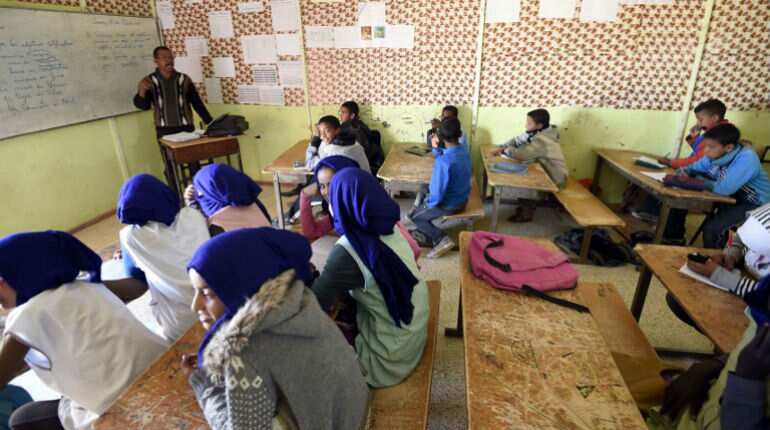
Algeria-students-AFP
Some companies have questioned the move, saying that it stops their workflow and causes economic losses.
Extraordinary times demand extraordinary measures. Algeria shuts down the Internet for two hours every day when students sit for their school-leaving examination.
Papers for high school exams were leaked and shared widely on the social media in the last two years in Algeria. So, the country's education minister, Nouria Benghabrit, went straight to the source and came up with a drastic solution.
Starting June 20, during the two weeks of exams, internet is shut down for about two hours a day all over Algeria.
And that's not all. Jammers and cameras will be installed in more than 2,000 exam centres across the country. The internet shutdown will remain in place till all seven million students finish their exams on June 25. Access to Facebook will be blocked during the entire period.
But Algeria is not alone. Iraq has decided to do the same in an attempt to prevent the use of smartphones or cheating during exam time.
India too faces a similar problem. In 2016, in the southern Indian state of Karnataka, students were made to repeat their chemistry exam three times due to suspect leakage of question sheets.
In the past, in the eastern Indian state of Bihar, the Class 12 biology paper was leaked and widely shared on WhatsApp. And earlier this year, the Class 10 mathematics and Class 12 economics exams were also leaked.
So, is there a message for India in these drastic measures adopted by many countries? Many experts don't think so.
Some companies have questioned the move, saying that it stops their workflow and causes economic losses. For instance, a report by the Brookings Institute said that internet shutdowns costed the global economy $2.4 billion.
Internet rights organisations pointed out that blocking the internet could silence views and opinions and harm more isolated communities who use it for their daily needs. More than 100 organisations from 52 countries have launched the hashtag campaign #keepiton to fight against internet shutdowns.