

&imwidth=800&imheight=600&format=webp&quality=medium "David Lammy appointed as UK's new Deputy Prime Minister. Who is he?")
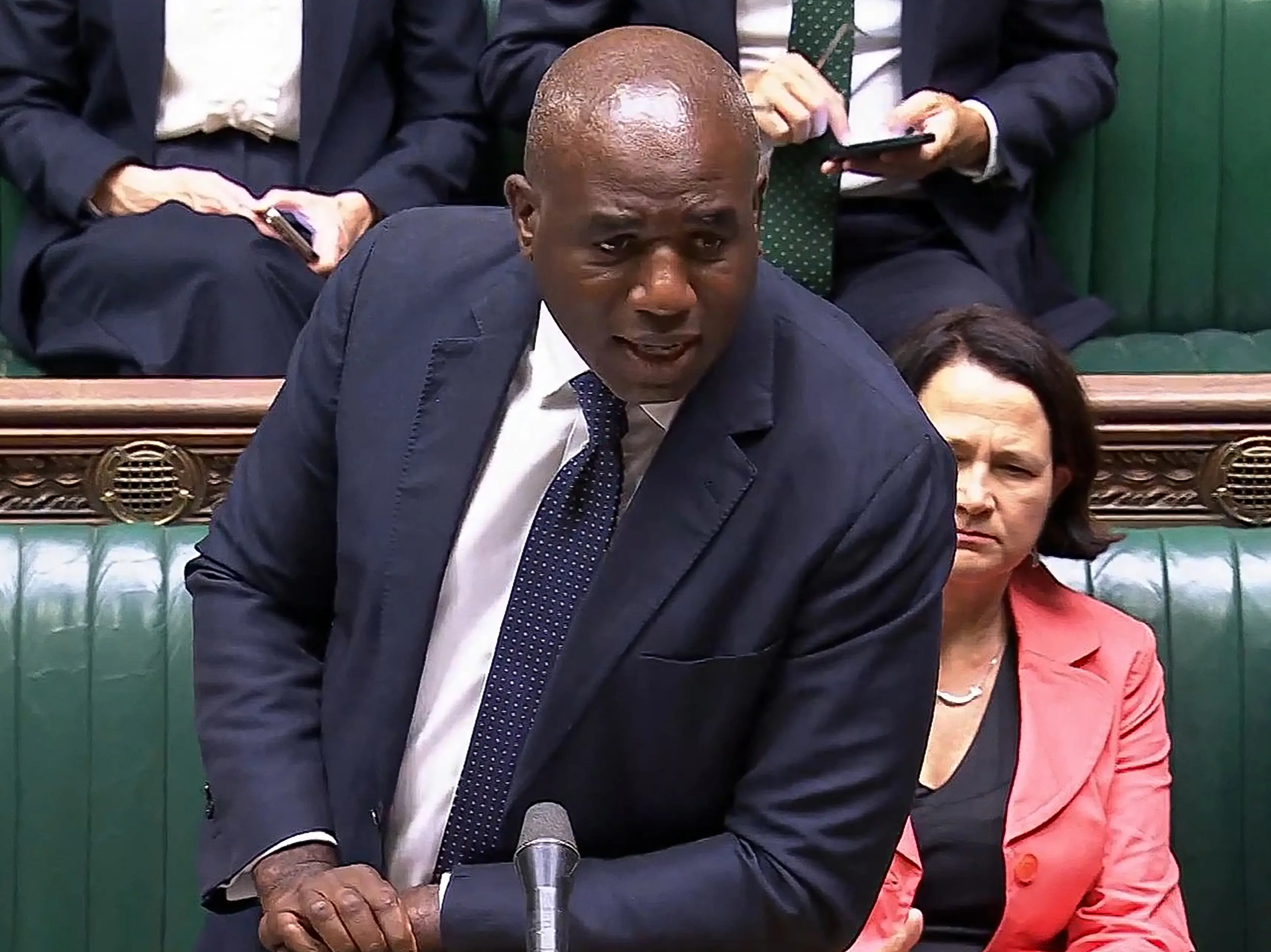
Just hours after Angela Rayner resigned from the post of the UK’s Deputy Prime Minister, David Lammy has been appointed as her successor in a significant cabinet reshuffle announced by Prime Minister Keir Starmer on Friday (September 5). Alongside his elevation, Lammy has also been handed the Justice portfolio, reflecting the government’s intent to steady the ship after a turbulent week.
Rayner’s departure—amid criticism over unpaid stamp duty—had left a key void in Starmer’s administration. By turning to Lammy, one of Labour’s most experienced and outspoken figures, Downing Street signalled a desire for stability, continuity, and a steady political hand at a time when the government faces mounting challenges both domestically and abroad.
Lammy’s appointment was met with measured optimism within Labour ranks. Known for his sharp oratory and deep policy expertise, he is expected to play a central role in guiding government priorities and serving as Starmer’s key deputy in Parliament. His dual role as Deputy Prime Minister and Justice Secretary places him at the heart of decision-making, balancing the demands of governance with the promise of reform.
Who is David Lammy?
David Lindon Lammy, 53, has been the Labour MP for Tottenham since 2000 and is one of the party’s longest-serving parliamentarians. Born to Guyanese parents in London, Lammy studied law at SOAS and went on to become the first Black Briton to study at Harvard Law School.
He has previously held ministerial positions under Tony Blair and Gordon Brown and more recently served as Foreign Secretary until this week’s reshuffle. Lammy is particularly recognised for his work on social justice and racial equality, most notably through the 2017 Lammy Review, which examined racial disparities in the UK criminal justice system.
Beyond politics, he is also an author and broadcaster, known for his book Tribes, which explored issues of identity and belonging in modern Britain. Lammy’s rise to the post of Deputy Prime Minister marks a defining moment in his career—one that places him firmly at the centre of the UK’s political landscape.

