Emission tests and remote work: Indonesia capital Jakarta's new plans to tackle pollution

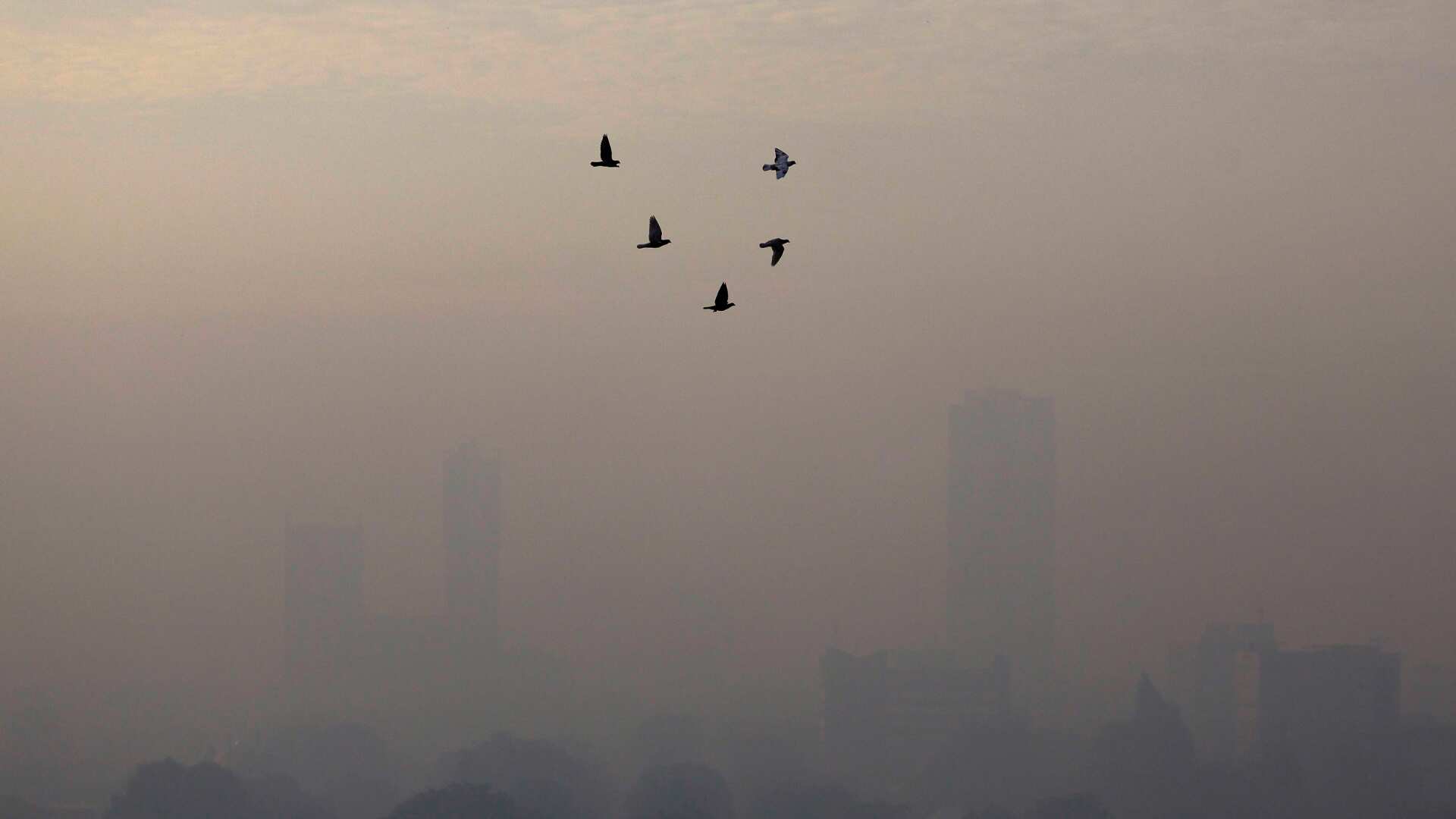
Air pollution Jakarta
Amidst escalating concerns over deteriorating air quality, Indonesian officials have announced a series of measures aimed at tackling the pressing issue of pollution in Jakarta, the nation's capital.
As Jakarta finds itself consistently ranked among the world's most polluted cities, the government is taking decisive steps to address the crisis.
Since May, Jakarta has persistently held a notorious position among 10 most polluted cities globally. In a recent ranking by IQAir, a Swiss air quality technology company, Jakarta claimed the unfortunate top spot. This concerning trend has raised alarm bells and prompted urgent action from authorities, reported Reuters.
During a pivotal cabinet meeting, President Joko Widodo attributed the root causes of the problem to a trifecta of factors: excessive road traffic, an extended dry season, and industrial activities primarily reliant on coal.
While the president acknowledged these contributing elements, environmental groups have long singled out coal-fired power plants as a major source of pollution.
Driving change: Emission tests and remote work
In response to the pressing pollution crisis, the government has outlined a multifaceted approach to combat air contamination.
Officials have declared plans to conduct random vehicle inspections and mandate emission tests for drivers. Stringent penalties, including fines and even license revocation for repeat offenders, are being considered to enforce compliance.
Additionally, emission testing will become an integral component of the vehicle registration process. While specific implementation details remain forthcoming, the government is resolute in its commitment to improving air quality.
Environment Minister Siti Nurbaya Bakar affirmed the government's intention to initiate these measures in Jakarta, with future plans to extend them to the greater Jakarta area. This phased approach reflects a cautious yet determined strategy to curb pollution.
Also watch |Village sees zero rain as drought parches Indonesia
Addressing the economic and environmental landscape
President Widodo has also called upon companies to adopt hybrid working models, thereby reducing commuting-related emissions.
The president further advocated for weather modification techniques in Greater Jakarta, aiming to alleviate pollution exacerbated by dry weather.
Weather modification, including methods like cloud seeding, has been proposed to induce rainfall and mitigate air contaminants.
Among the proposed measures under consideration are requirements for high-engine-capacity vehicles to use 98-octane fuel and mandating a minimum occupancy of four passengers per vehicle. These steps seek to incentivise the use of cleaner fuels and promote carpooling, both contributing to a cleaner environment.
(With inputs from agencies)
WATCH WION LIVE HERE: