COP 27 summit: What do global inequalities in energy access look like?

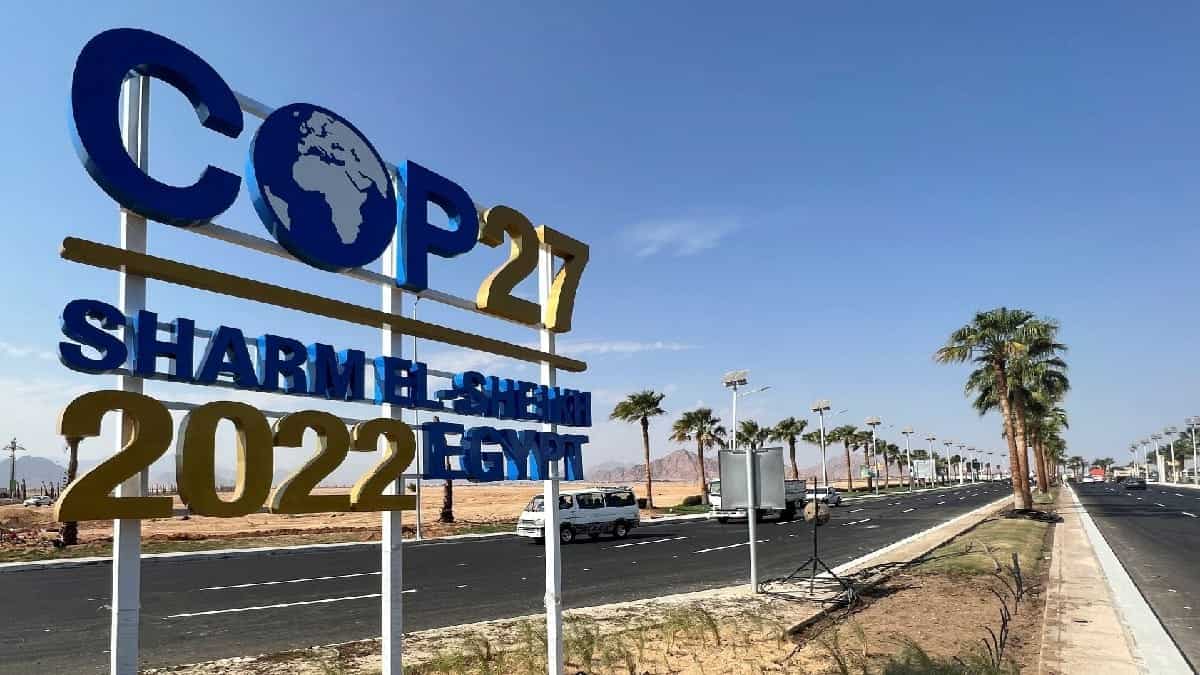
COP 27 summit at Sharm-El-Sheikh, Egypt
The question of the developing world's energy poverty and massive global inequalities in energy access has dominated the themes of climate change summits since the Rio Earth Summit (1992). The theme finds its place in the agenda of many developing countries from Africa and is set to dominate the climate change discourse during COP 27 summit in Egypt, starting November 6.
WATCH |WION Climate Tracker: Children given seat at COP27 for first time in Egypt
"Africa is the epicenter of energy poverty. About 600 million Africans lack access to any form of energy—for electrification but also for clean cooking. This also ties into sustainable financing, so that the financing for adaptation is not just packaged as loans. Three-quarters of (climate financing) has been packaged as loans, but a lot of these countries are already under debt distress," Zainab Usman, senior fellow, and director of the Africa Program at the Carnegie Endowment for International Peace said in an interview published November 4.
Bhupender Yadav, India's Union Minister of Environment, Forests and Climate Change, has already flagged the developed world's practice of passing off loans as climate change-related aid to developing countries.
What do global energy inequalities look like?
According to World Bank,globally, 733 million people have no access to electricity, and 2.4 billion people remain devoid of access to clean fuels and technologies. A United Nations report tracking the Sustainable Development Goals (SDGs) states that the average per capita energy use of the richest 20 countries is 85 times higher than that of the 20 poorest countries.
Another World Bank database points to severe energy access inequalities, stating that the average annual per capita electricity consumption of sub-Saharan Africa is 487-kilowatt hours (kWh). On the other hand, the 38 countries constituting the Paris-based Organisation for Economic Cooperation and Development (OECD) have a per capita electricity consumption of 7,750-kWh.
According to World Economic Forum (WEF), by 2030, climate change is likely to push an additional 132 million people into extreme poverty — many of them women, girls, and marginalised communities. These groups are more likely to be exposed to poverty, loss of livelihood, and malnutrition, the WEF report adds.
WATCH WION LIVE HERE
You can now write for wionews.com and be a part of the community. Share your stories and opinions with us here.