Secrecy shrouds release of Chinese journalist jailed for COVID-19 reporting

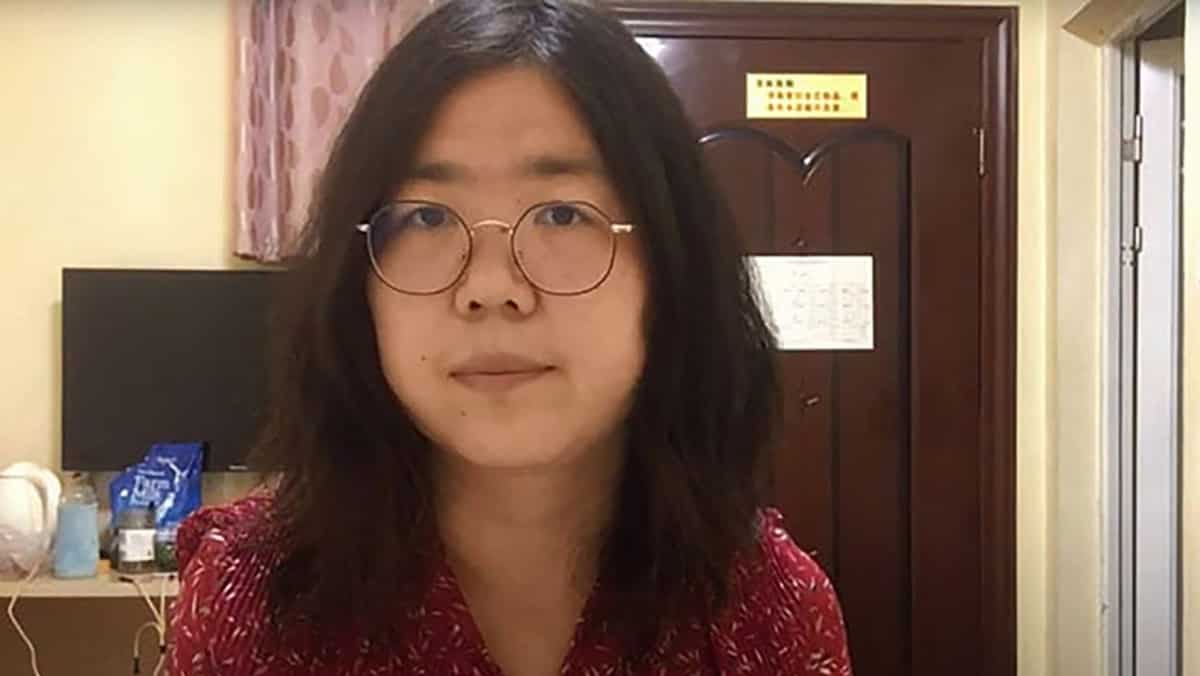
Zhang Zhan, a Chinese citizen journalist
A Chinese citizen journalist Zhang Zhan, detained for her coverage of the Covid outbreak in Wuhan, was slated for release on Monday (May 13)after serving a four-year prison sentence.However, the day was shrouded in secrecy by authorities. The 40-year-old former lawyer was convicted of "picking quarrels and provoking trouble," media reports said.
Despite calls from media watchdogs and human rights groups advocating for her release due to deteriorating health, concerns loomed over her safety post-release.
Aleksandra Bielakowska, an advocacy officer at Reporters Without Borders said that there is a 'huge concern' about the safety of Zhang. Speculation is rife that authorities might detain her in secrecy or keep her away from public view. Zhang's journey to Wuhan in February 2020 to document the unfolding crisis led to her detention.
Despite warnings and threats from authorities, she persisted in her reporting, documenting what she witnessed on the ground. "I won't stop what I'm doing, because this country can't go backwards," Zhang said in one of her last interviews before her detention where she expressed her determination to continue shedding light on the situation.
During her incarceration, Zhang went on a hunger strike, resulting in severe health deterioration. She was force-fed through a tube, and her weight reportedly plummeted to a critical low.
'Constantharassment'
Zhang's case underscoredthe challenges faced by independent journalists in China. Amnesty International highlighted the "constantharassment" faced by citizen journalists for exposing information the government sought to suppress.
In the early days of the pandemic, voices critical of the government's response proliferated online. China has been known for its strict control over information, especially regarding sensitive topics such as public health crises.
Watch |Israel-Hamas war: Israeli forces press Gaza offensive from North & South
The case of whistleblower Dr Li Wenliang, who succumbed to COVID-19 after sounding the alarm, drew international attention.In the case of COVID-19, there were reports of censorship on social media platforms like Weibo, where posts discussing the outbreak and its origins were deleted or heavily monitored.
In addition to this, there were allegations that the Chinese government underreported cases and deaths related to COVID-19, which further fueled speculation about the extent of censorship and control over information.
(With inputs from agencies)