China's Chongqing extends power curbs as drought drags on

Chongqing
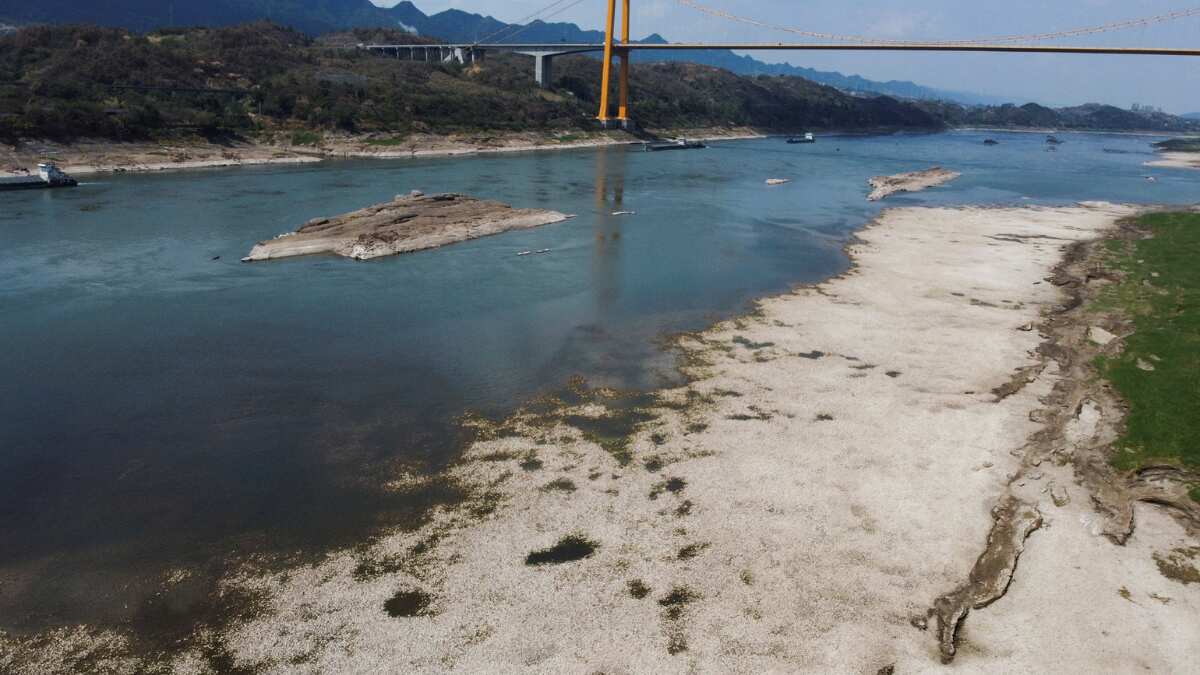
The sprawling Chinese region ofChongqing, home to several large global automakers, has extendedpowercurbsat factories as a record heatwave anddroughtcontinue to wreak economic and environmental damage throughout the country's southwest.
Industrial firms were originally ordered to restrict output from Aug. 17 until Aug. 24, but formalcurbshave been extended until Aug. 25, according to a notice issued byChongqingauthorities on Wednesday.
Curbswill be gradually relaxed "in an orderly manner" once weather conditions have improved, it said.
Pangang Group Vanadium & Titanium Resources Co Ltd told the stock exchange in a filing on Wednesday itsChongqingsubsidiary had received the notice and would continue to suspend production.
"The specific recovery time will be subject to the notification of relevant departments inChongqing," it said.
Honda Motor Corp also said on Thursday itspowerproduct factory inChongqingwill remain closed this week.
"We don't know what to do until we see what the government tells us for next week," a spokesperson said.
The plant makes small-engine products like lawnmowers and tillers and doesn't manufacture automobiles. Honda made 23 per centof all of itspowerequipment inChongqinglast financial year.
The factory was on summer vacation until this past Sunday and suspended operations from Monday.
Chongqingand other parts of the Yangtze basin have been broiling under weeks of temperatures in excess of 40 Celsius (104 Fahrenheit), causing crop damage and forest fires.
Powerrationing has impacted firms in sectors like battery making and solar manufacturing. Toyota Motor said it had used an in-house generator at its Sichuan plant to resume operations.
Although national forecasters reduced their heat alert level from "red" to "orange" from Tuesday, temperatures are still expected to exceed 40C until the weekend in some parts of the Yangtze delta.
Sichuan depends on hydropowerfor around 80 per cent of its electricity, and dwindling water levels have left generators operating at much lower than their normal capacity.
Sichuan normally delivers large amounts of its surplus hydropowerto other provinces, and coal-firedpowerplants in Anhui province and elsewhere have been under pressure to pick up the slack, according to state media.
"It's unclear how long thispowerwill continue to be exported ex-province, considering the severity of the localpowershortage, but cross-province transmission is usually given highest priority inChina'spowerdispatch planning," said David Fishman, apowerexpert with the Lantau Group consultancy.
"If these exports are suspended, already-tightpowersupply in eastern China, which is enduring its own heat wave, will be further affected," he said in a research note.
China'sState Grid Corporation is now delivering 130 million kilowatt-hours ofpowerper day to Sichuan, state broadcaster CCTV said on Wednesday.
Economists at ANZ said in a note on Tuesday it was unlikely China would see a repeat of last year's nationwide energy shortages, which were caused by tight coal supplies, adding that the impact of the currentpowercrunch on gross domestic product was "negligible" so far.