China downgrades COVID management to class B, what does it mean?

China downgrades COVID management to class B. What does it mean?
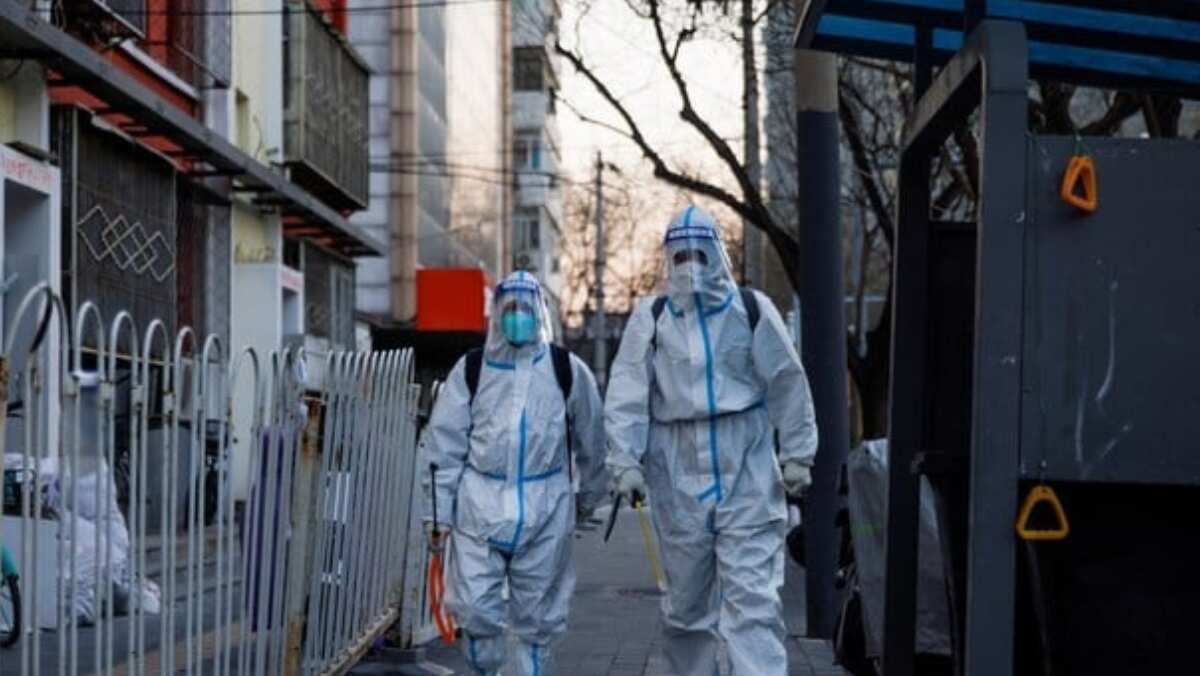
China is witnessing a new COVID outbreak most likely due to the BF.7 Omicron variant. There are many reports which suggest that the ground situation in hospitals and crematoriums is scary owing to the explosion in the daily number of COVID cases and the shortage of medical staff. In a key development, the management of COVID-19 will now be reduced from Class A to Class B from 8 January, according to a late Monday night announcement from China's National Health Commission (NHC). What will that change?
According to the Chinese Center for Disease Control and Prevention, there are now 40 kinds of notifiable infectious diseases in China, divided into three classes,Class A, Class B, and Class C.Class A infectious illnesses include cholera and plague. Among the infectious illnesses classified as Class B include SARS, AIDS, and TB. Flu, the mumps, and other infectious disorders fall under class C.
In a significant change to its epidemic response strategies, China will manage COVID-19 with measures against Class-B infectious illnesses rather than Class-A.As a result of the downgrade of COVID management from Class A to Class B, there won't be any more quarantine for travellers entering the nation, sealed COVID-19 case management, or high-risk geographic zones. However, foreign visitors who are entering China should undergo nucleic acid testing 48 hours before departure. According to a handout published by NHC, saying that China has met the right conditions for downgrading the management of COVID-19.
What will change?
According to Global Times, downgrading the administration of COVID-19 to Class B indicates that control of COVID-19 will once again fall under the purview of the medical system; nevertheless, tactics like widespread lockdowns and mobility restrictions enforced by local governments will no longer be applied. Reducing the management can safeguard vulnerable groups, free up a lot of medical resources from temporary hospitals that can be used for regular medical care, and serve as a foundation for future improvements to preventative and control measures.
NHC requested that community health clinics and hospitals above the secondary level open as many fever clinics as they could. Additionally, it mandated that temporary hospitals be upgraded to designated hospitals for the care of COVID-19 patients. In order to preserve lives, major hospitals were also urged to hire more employees and provide more resources, such as ensuring that there would be enough people to staff the ICU beds.
China said that it will ease the visa policies for those who wish to visit family, resume their studies, or work. In light of the global pandemic scenario and the support capability of all sectors, the nation will also gradually resume passenger transit through maritime and land ports as well as outbound tourism.
COVID19 name also changed
The National Health Commission said on Monday that China has changed the nomenclature of COVID-19 from "novel coronavirus pneumonia" to "novel coronavirus infection." Since the majority of patients displayed pneumonia symptoms, it was first referred to as new coronavirus pneumonia. However, nowonly a few patients aredisplayingpneumonia symptoms as a result of the Omicron variation becoming the dominant strain, the NHC stated on Monday.
WATCH WION LIVE HERE
You can now write for wionews.com and be a part of the community. Share your stories and opinions with us here.