British policeman who sexually exploited underage girls gets life in jail

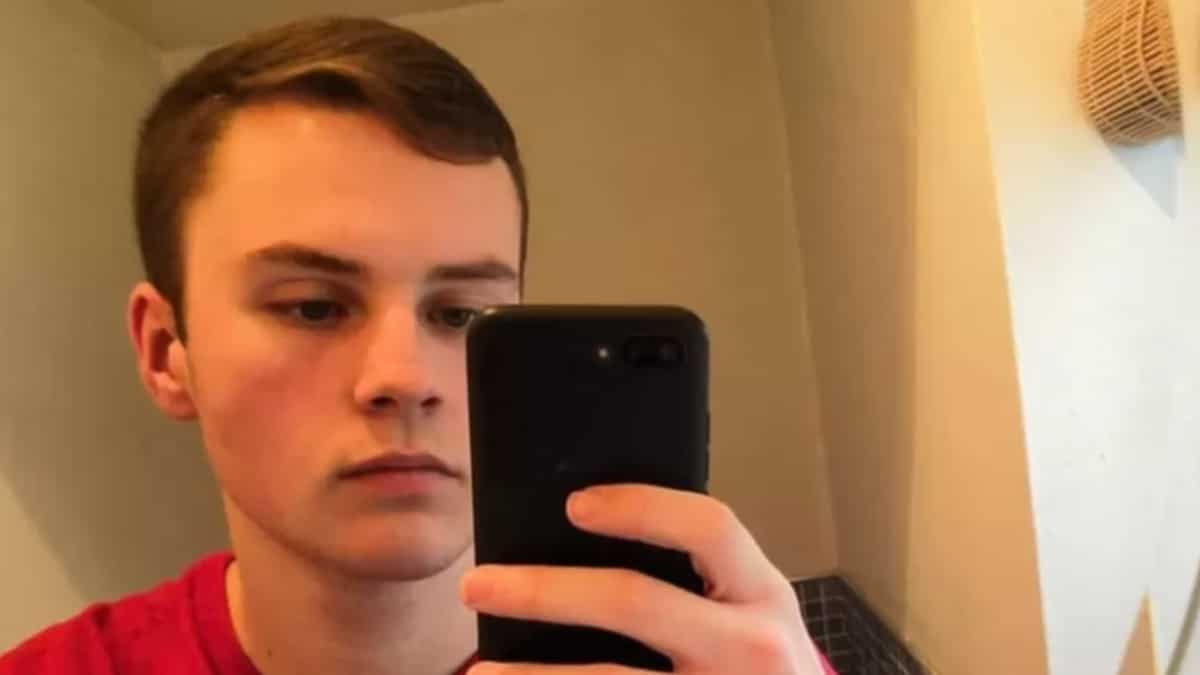
Britain's Crown Prosecution Service (CPS) said on Wednesday (Oct 25) that a British police officer was handed life sentence for manipulating girls aged 10 to 16 into sending explicit images and threatening to share them. Lewis Edwards (24) admitted to 162 child sexual abuse offences. He posed as a teenage boy while talking with these girls on Snapchat app.
Edwards targeted more than 200 girls between 2019 and February this year.
Prosecutors in the case said that some of the victims even begged him to stop but he blackmailed them and demanded more images.
Watch | UK: Rishi Sunak completes one year in office, his popularity dips to an all-time low | Race to Power
What's more disturbing is that detectives found he possessed heavily encrypted electronic devices and even a blackmail manual. He received some of the explicit images while he was working as an officer in South Wales.
"The public will be as shocked and sickened as we are that such appalling offences were committed by a serving police officer," said Danny Richards, assistant chief constable of South Wales Police.
"He has caused significant harm to the victims, to their parents, their siblings and their wider families," Judge Tracey Lloyd-Clarke said.
"It is clear that he not only gained sexual gratification from his offending but that he also enjoyed the power and control that he had over these young girls. His reaction to their distress can properly be described as cruel and sadistic."
The image of Britain's police forces has taken a hit in recent years due to major scandals. Some officers have also been convicted of murder and rape.
Britain's largest police force, The London Metropolitan Police, began this year to review its handling of cases against nearly 1100 of its officers, cases that were previously closed. These include allegations of sexual assault.
"Any sexual exploitation of young people is abhorrent and our hearts go out to the victims in this case," said a spokesperson for Snapchat as quoted by AFP.
The spokesperson said that the app was using technology in order to detect and prevent such abuse and made extra protections available for under-18s. These include warning about being contacted by strangers and also functionality for parents.
(With inputs from agencies)