Biden administration moves to unkink supply chain bottlenecks

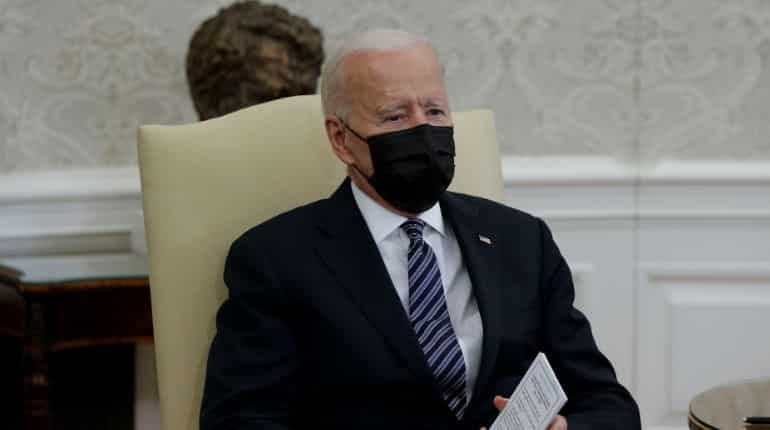
US President Joe Biden
The Biden administration on Tuesday planned to issue a swath of actions and recommendations meant to address supply chain disruptions caused by the coronavirus pandemic and decrease reliance on other countries for crucial goods by increasing domestic production capacity.
In a call Monday evening detailing the plan to reporters, White House officials said the administration had created a task force that would “tackle near-term bottlenecks” in construction, transportation, semiconductor production and agriculture.
The officials also outlined steps that had been taken to address an executive order from President Joe Biden that required a review of critical supply chains in four product areas where the United States relies on imports: semiconductors, high-capacity batteries, pharmaceuticals and their active ingredients, and critical minerals and strategic materials, like rare earths.
“This is about making sure the United States can meet every challenge we face in the new era,” Biden said in February, when he signed the order.
The review has been governmentwide, the officials said: Cabinet members were ordered to provide reports to the White House within 100 days. The move was intended to address concerns about supply chain resiliency and long-term competition with China.
The Department of Health and Human Services, for instance, will use $60 million from the $1.9 trillion coronavirus relief bill to develop technologies to increase domestic production of active ingredients in key pharmaceuticals.
The Interior Department will work to identify sites where critical minerals could be produced in the United States. And several agencies will work on creating supply chains for new technologies that will reduce reliance on imports of key materials.
The Biden administration also signalled that it was prepared to use trade policy to bolster domestic supplies of key minerals and components. As part of that effort, the Office of the U.S. Trade Representative said it would establish a strike force that could propose actions against overseas companies deemed to be engaged in unfair trade practices.
The Commerce Department will evaluate whether to investigate the global trade of neodymium magnets under Section 232 of the Trade Expansion Act of 1962. The Trump administration wielded that law to impose tariffs on foreign steel and aluminium after concluding that domestic production of those materials was essential for national security.