
&imwidth=800&imheight=600&format=webp&quality=medium "Bangladesh launches voting app 'Postal Vote BD' for 1st time in General Elections. All you need to know")
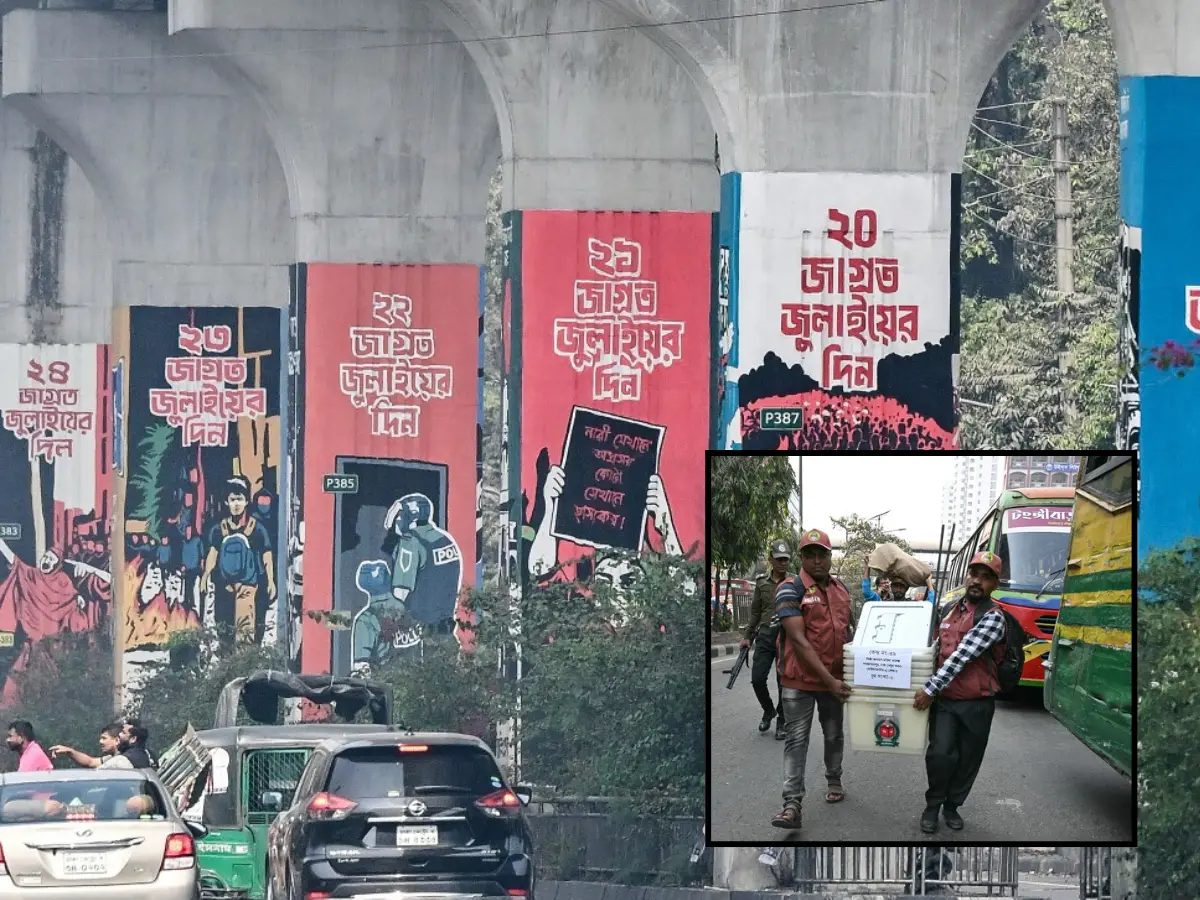
Bangladesh is gearing up for the first election post the July 2024 uprising that toppled the Awami League government and led to the ouster of Prime Minister Sheikh Hasina, who is currently in exile. On February 12, Bangladeshi citizens will not only vote for a suitable Member of Parliament but will also cast their vote for the July charter. And in a significant move to ensure inclusion of all Bangladeshi, even those living outside their home, the Election Commission has launched the ‘Postal Vote BD’. Over 127 million voters will use a two-ballot system: white ballot for choosing the MP and pink ballot for the July charter.
It’s a mobile application that will facilitate those living abroad, who are significant contributors to the nation’s economy, to participate in choosing the right candidate through this online feature. “This initiative, facilitated through a dedicated mobile application, marks a major step towards ensuring the democratic participation of the large and influential expatriate community. The system will allow non-resident Bangladeshis to register as voters and cast their ballots through a postal system integrated with modern technology,” the website highlights.
It aims to remove geographical barriers that have historically disenfranchised millions of citizens residing overseas

How to use: Step-by-step process
- Registration: Voters need to download the app and complete the eKYC verification process. The registration deadline was January 5. The user must provide a postal address to receive a postal ballot.
- Tracking: The app allows users to track the delivery of their physical ballot paper after timely registration.
- Voting: Voters cast their votesmanuallyon paper ballots and then proceed to the next step that is scanning the QR code on the envelope using the app. This process will verify their identity before mailing the ballot back to their Returning Officer (RO).
Ouster to exile: Sheikh Hasina's party excluded from elections
The former ruling party, the Awami League, has been kept out of the current elections after the uprising in 2024. On May 10, 2025, the interim government led by Muhammad Yunus officially banned all its political activities. The party has been banned under the Anti-Terrorism Act of 2009. Following this, the Election Commission formally suspended its registration.
On November 17 2025, Bangladesh’s International Crimes Tribunal (ICT) sentenced ousted prime minister Sheikh Hasina to death. The decision comes after finding Hasina guilty of “crimes against humanity”. The tribunal noted that she ordered killings and also mentioned that she incited violence during the uprising in the country in 2024. She fled the country and reportedly stays in Indian capital New Delhi ever since. As the verdict was out, interim leader Muhammad Yunus welcomed the death penalty for Hasina ruled by the tribunal. He said “no one is above the law” and the ruling “recognises suffering” of the students killed during the protests in 2024. He noted, that as many as 1,400 lives were lost.

