
&imwidth=800&imheight=600&format=webp&quality=medium "Bangladesh reports decades-worst measles epidemic, death toll approaches 1,000")
A severe measles epidemic is surging across Bangladesh, marking the country’s worst outbreak of the viral disease in decades. Data from the Directorate General of Health Services (DGHS) indicates that suspected cases have surpassed 166,000 since the beginning of the year, with reported deaths from suspected measles approaching 1,000.
The World Health Organization (WHO) has classified the situation as a national high-risk crisis. Transmission has been documented in all 64 districts across the country's eight divisions. Densely populated urban centers, particularly the informal settlements and slum clusters of the capital, Dhaka, have emerged as primary epicenters. Young children remain the most vulnerable demographic. According to health authorities, children under five years of age account for roughly 80% of all cases, while infants under nine months who are generally too young for routine immunisation make up nearly a third of the infections. High rates of malnutrition among vulnerable populations have heightened the risk of severe complications, such as pneumonia and encephalitis.
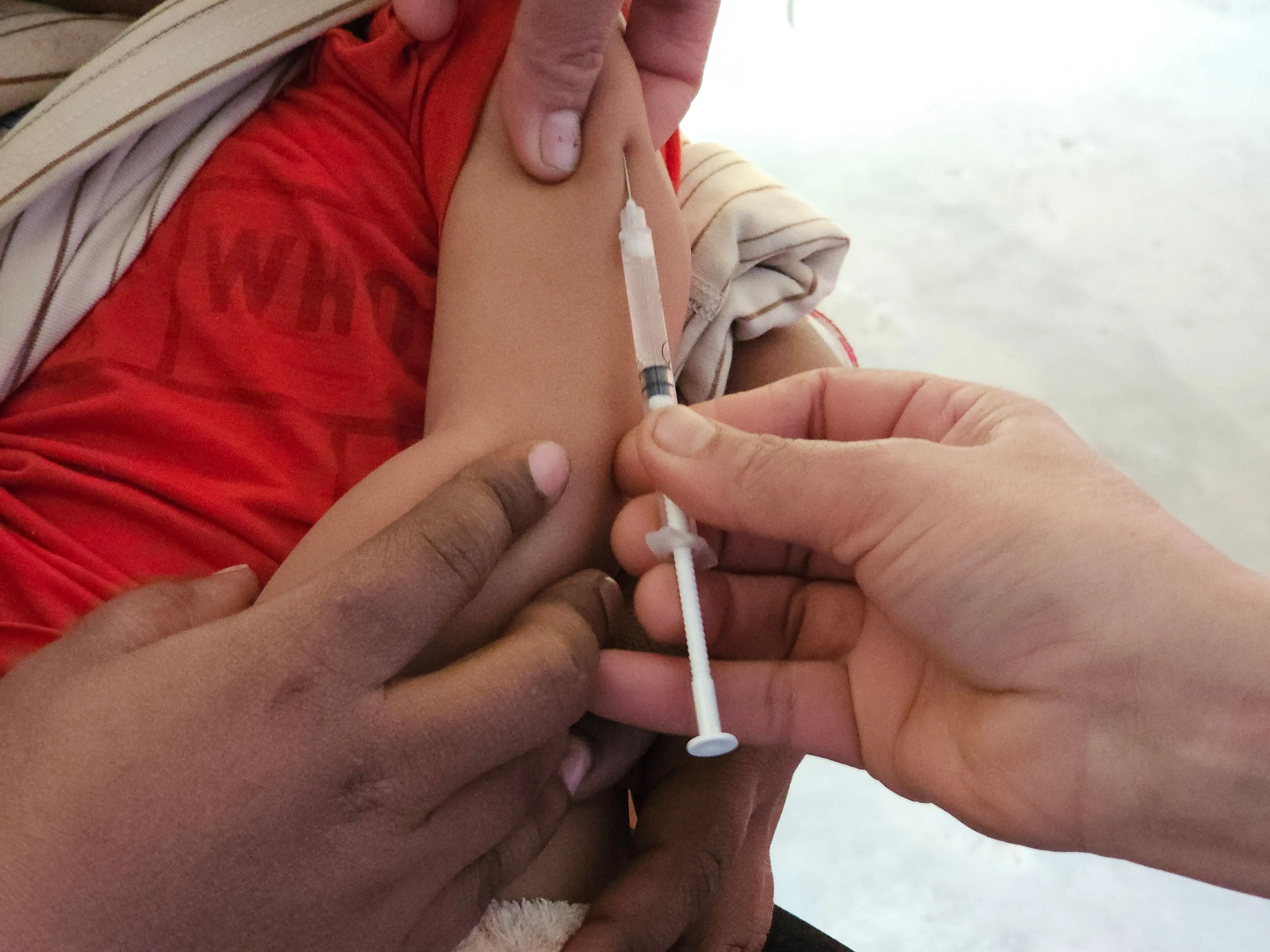
Public health officials attribute the current crisis to significant gaps in population immunity. Although Bangladesh previously maintained robust vaccination coverage, routine immunization schedules suffered severe disruptions. The lingering impact of the COVID-19 pandemic, delays in planned quadrennial immunisation drives, and severe vaccine supply shortages created a massive pool of susceptible children. To achieve herd immunity and halt transmission, global standards require a minimum 95% coverage rate of two vaccine doses, a benchmark Bangladesh had missed in recent years. In response to the mounting casualties, the Bangladeshi government, alongside UNICEF, WHO, and the Gavi vaccine alliance, launched emergency national vaccination campaigns targeting roughly 18 million children. Healthcare workers are administering doses through temporary community sites, schools, and door-to-door outreach to close the immunity gap. Despite these interventions, medical facilities in heavily affected districts report strained capacities. Health officials continue to urge families to ensure children are fully vaccinated, emphasising that routine immunisation remains the only effective defense against the disease.


