Great Barrier Reef must be placed on world heritage ‘in danger’ list: UN Report; Australia pushes back

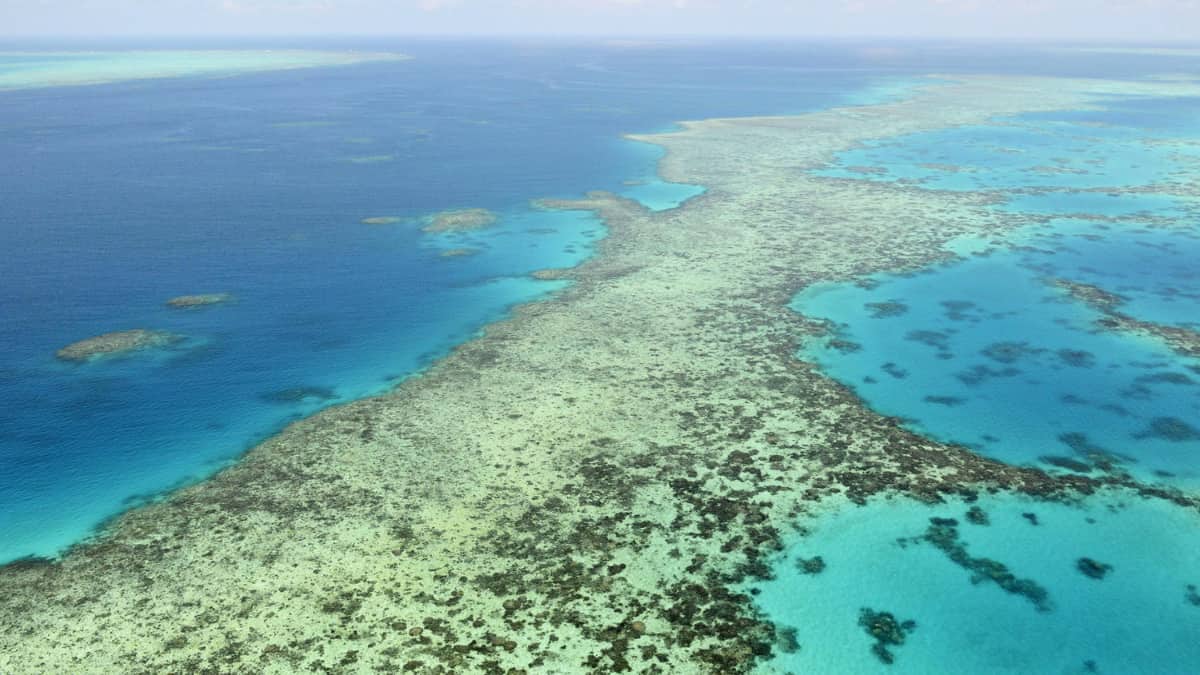
Great Barrier Reef
The Great Barrier Reef in Australia should be added to the list of world heritage sites “in danger”, said a group of scientists in a United Nations-backed report, on Monday. The report came after their 10-day mission which took place earlier this year, and has listed recommendations which need to be addressed “with utmost urgency”.
The monitoring mission was conducted back in March by United Nations Educational, Scientific and Cultural Organization (UNESCO) scientists, however, the report was published after a six-month delay. Citing reasons like the adverse effects of climate change and the warming of the oceans they believe that the reef’s resilience has been “substantially compromised.”
The team concluded that the Great Barrier Reef is witnessing “major threats” which could have “deleterious effects on its inherent characteristics, and therefore meets the criteria for inscription on the list of World Heritage in danger,” said the report.
However, Canberra has lobbied for years to keep the Great Barrier Reef off the endangered list which could impact its UN heritage status and consequently the tourism that contributes nearly $5 billion to the economy every year.
The mission was carried out at the request of the former environment minister, Sussan Ley after former Australian Prime Minister Scott Morrison’s government. had successfully lobbied against the same recommendation made by UNESCO last year. In 2021, Ley challenged the recommendation alleging that it is politically motivated.
Meanwhile, in a press conference on Tuesday, Environment Minister Tanya Plibersek said that every reef in the world is at risk because of climate change. Therefore, the government asked UNESCO not to list their reef as endangered. “There is no need to single the Great Barrier Reef out in this way,” said the environment minister.
She added, “The reason that UNESCO in the past has singled out a place as at risk is because they wanted to see greater government investment or greater government action and since the change of government, both of those things have happened.” Notably, the incumbent Albanese government had previously announced $1.2 billion of funding to work on improving water quality and on researching ways to boost the resilience of corals and reefs.
The long-awaited report was to be published before the UNESCO world heritage committee back in June. However, since the conference was to be held in Russia, it was postponed due to Moscow’s invasion of Ukraine and the date of the next meeting has not been decided.
Other recommendations also included cutting down on greenhouse gas emissions, reassessment projects proposed and increasing financial resources in order to protect the reefs from further damage.
Over the past missions by UNESCO, reef managers have found that the world’s largest coral reef is facing its sixth mass bleaching event due to warming oceans caused by climate change. Coral bleaching happens when the temperature of the water rises causing the corals to expel the algae living in their tissues and turn white, while they survive it stunts their growth and also affects their reproduction.
(With inputs from agencies)
WATCH WION LIVE HERE
You can now write for wionews.com and be a part of the community. Share your stories and opinions with us here.