AstraZeneca launches $400mn tree-planting initiative to combat climate change, biodiversity loss

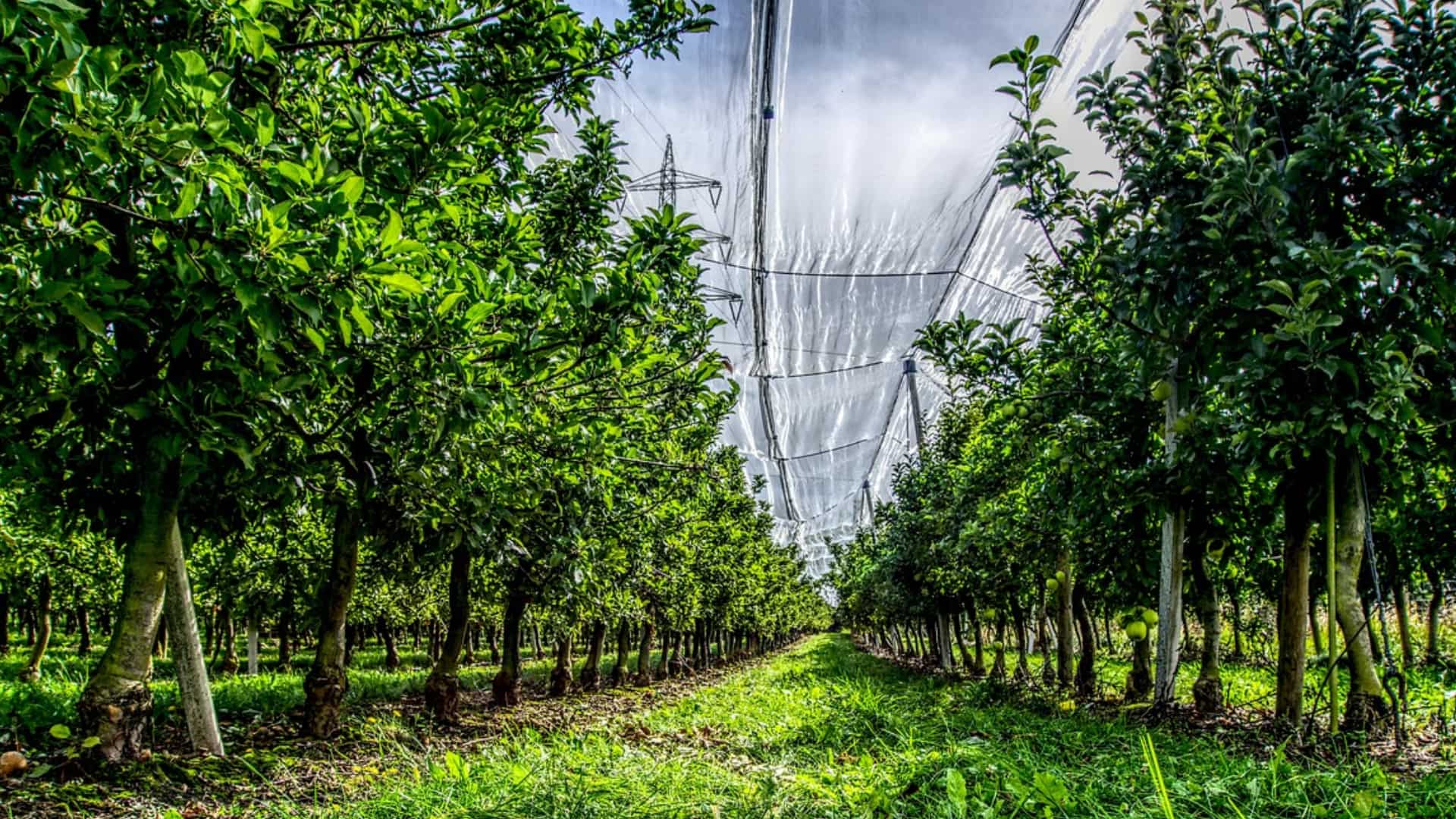
Reforesation
Pharmaceutical company AstraZeneca, led by CEO Pascal Soriot, has issued a warning about the detrimental effects of climate change and biodiversity loss on both the planet and human health. In response, the company has unveiled a groundbreaking plan to invest $400 millionin planting 200 million trees by 2030.
Expanding on their existing tree-planting initiative, AstraZeneca aims to contribute significantly to global reforestation efforts.
The company had previously pledged to plant and maintain over 50 million trees by the end of 2025, with successful plantations already established in Australia, Indonesia, Ghana, the UK, the US, and France, reported the Guardian.
The newly announced program will see AstraZeneca's investment focus on reforestation, ensuring the long-term survival of the trees.
Plantations will be established in Brazil, Vietnam, Ghana, Rwanda, and India, with a particular emphasis on countries with tropical forests, such as Brazil and Indonesia, known for their carbon absorption capabilities crucial in the fight against global warming.
The urgency of these efforts is underscored by the alarming rates of deforestation observed in recent years. Despite world leaders pledging to halt deforestation at the CopP26 summit in 2021, an area equivalent to the size of Switzerland was cleared from pristine rainforests in 2022.
The tropics alone experienced a 10 per cent increase in forest loss compared to the previous year, resulting in a staggering 2.7 gigatonnes of carbon dioxide emissions—equivalent to India's annual fossil fuel emissions.
Carbon offset programme aims to remove 30m tonnes of CO2 from the atmosphere
AstraZeneca estimates that its tree-planting program will remove approximately 30 million tonnes of carbon dioxide from the atmosphere, playing a significant role in the company's commitment to achieving net-zero emissions by 2045.
To ensure transparency and prevent double-counting of carbon credits, AstraZeneca will share the credits with the governments of the respective countries where the trees are planted.
While carbon offsetting initiatives have come under scrutiny for their effectiveness, AstraZeneca's tree-planting projects aim to create tangible benefits.
The company plans to generate employment opportunities for local communities, supporting up to 80,000 livelihoods. Collaborating with NGOs and subjecting the projects to independent audits and assessments by experts, including the European Forest Institute, AstraZeneca demonstrates its commitment to responsible and impactful reforestation efforts.
Also watch |Symbolic 'cotton tree' destroyed in storm
Emphasising the importance of ecological restoration and biodiversity, CEO Pascal Soriot emphasised that AstraZeneca's program goes beyond planting identical trees in straight rows.
With a diverse range of 300 tree and plant species, the company aims to restore forests to their original state, adapting the approach to the unique characteristics of each country and region.
To ensure the success of these projects, AstraZeneca will employ innovative techniques such as drone assessments and high-resolution satellite imagery to monitor tree growth, health, and their impact on water, soil, and carbon stocks.
WATCH WION LIVE HERE: