AstraZeneca claims its COVID-19 antibody concoction can neutralise BA.2 Omicron sub-variant

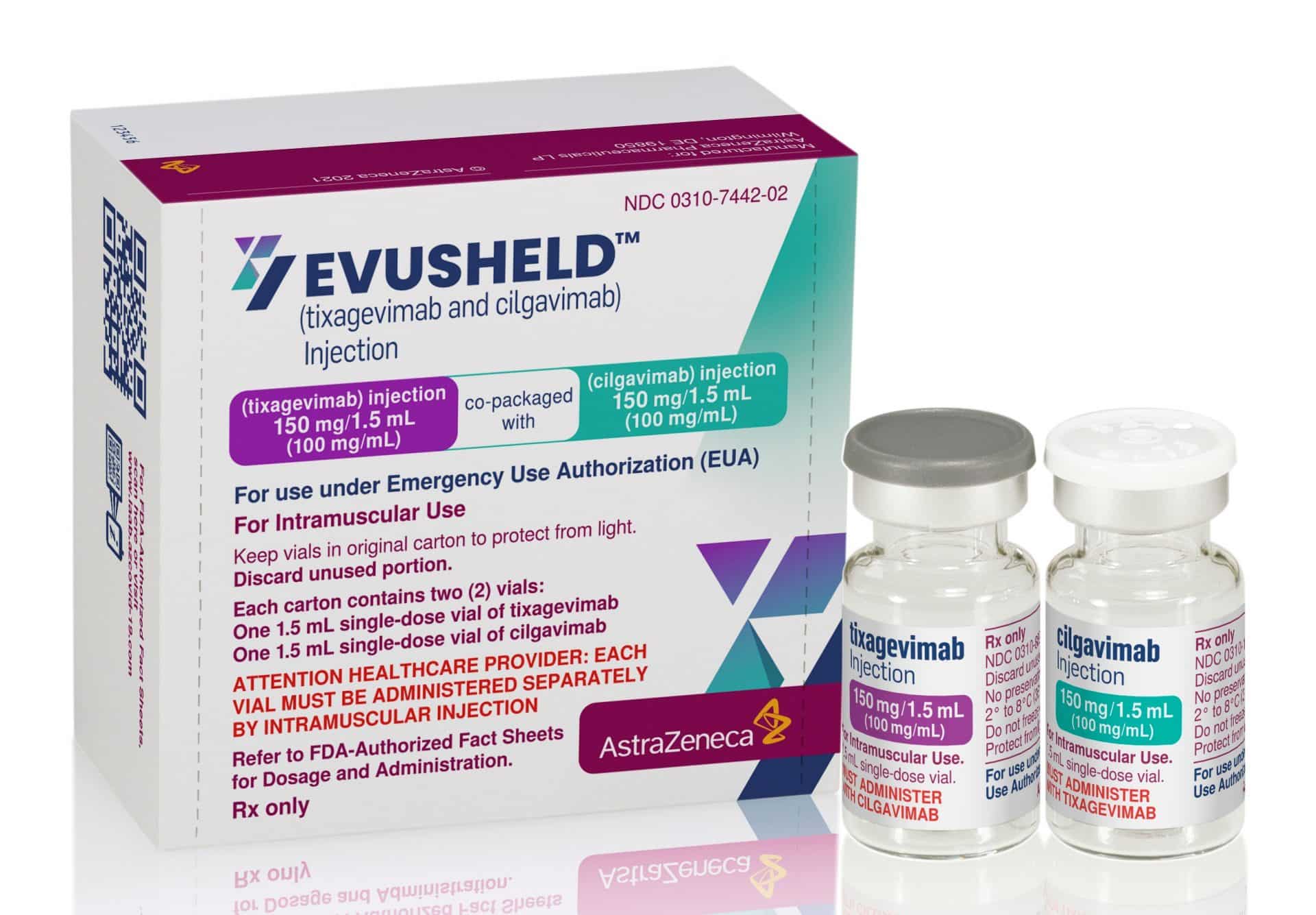
Evusheld
AstraZeneca's COVID-19 antibody combination Evusheld has the properties to neutralise Coronavirus variants of Omicron, including the highly-contagious BA.2 sub-variant, the pharmaceutical company said after conducting an independent lab study.
The study done by the Washington University School of Medicine in St. Louis showed that the therapy reduced the amount of virus detected in samples of all tested Omicron subvariants in mice lungs, the London-listed drugmaker said in a statement on Monday.
The study has yet to be peer reviewed, according to Reuters.
Evusheld, was tested against the BA.1, BA.1.1, and BA.2 subvariants of Omicron and it was also shown to limit inflammation in the lungs.
The drug is a combination of two long-acting antibodies derived from B-cells donated by patients recovering from COVID-19.
"These important data show that Evusheld reduced viral burden and limited inflammation caused by Omicron," AstraZeneca Vice President John Perez in a statement.
"The findings further support Evusheld as a potential important option to help protect vulnerable patients such as the immunocompromised who could face poor outcomes if they were to become infected with COVID-19."
The study conducted on mice demonstrated Evusheld significantly reduced the viral burden and limited inflammation in the lungs for all three sub-variants, the company said.
The antibody cocktail is approved in many European countries and the United States, which gave the nod in December.
The World Health Organisation said last week figures showing a global rise in COVID-19 cases could herald a much bigger problem, as the Omicron and BA.2 variants spread amid the easing of restrictions and testing.
“WHO will continue to closely monitor the BA.2 lineage as part of Omicron and requests countries to continue to be vigilant, to monitor and report sequences, as well as to conduct independent and comparative analyses of the different Omicron sublineages,” it said in a statement.
(With inputs from agencies)