Ambulance service strikes in UK: Know what areas are impacted and where to call during emergency

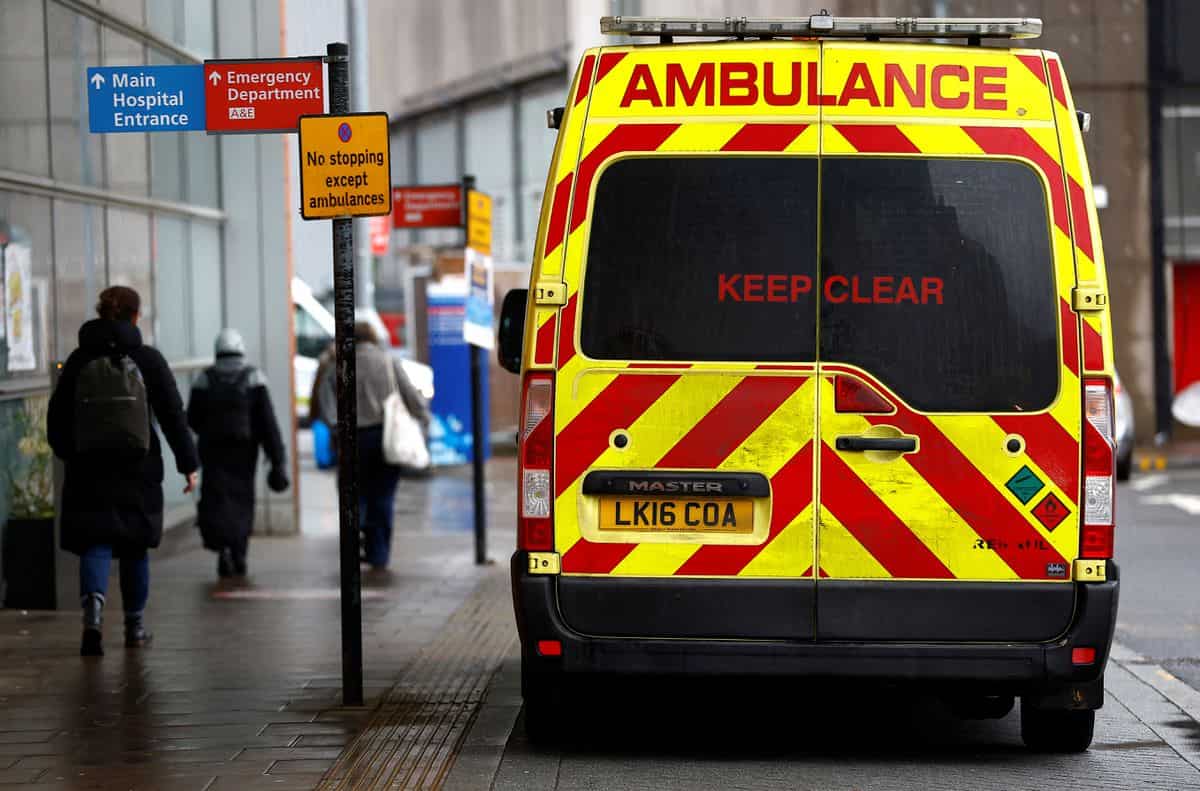
UK Ambulance strikes
Thousands of workers in England and Wales have joined nurses in striking against the government over wages, spelling doom for the ambulance services in the country. GMB Union national secretary Rachel Harrison says the government can resolve the dispute anytime it wants, but it’s not ready to listen and talk! The nurses are protesting to force the government into meeting their wage hike demands. Nurses want their salaries increased by 5 per cent above inflation, which was 14 per cent in November. But the government is adamant about not caving into the pressure and claims that the current wage rate is “fair and reasonable”. The government has offered a 4 per cent hike to nurses, based on recommendations by an independent NHS Pay Review Body.
Ambulance strike areas: What are the affected areas?
All three unions, representing around 25,000 ambulance workers, are staging a walkout on December 21. The action will involve paramedics, call handlers and emergency care assistants at 10 of the 11 trusts in England and Wales. Following Ambulance services will remain shut on December 21:
- South West Ambulance Service
- South East Coast Ambulance Service
- North West Ambulance Service
- South Central Ambulance Service
- North East Ambulance Service
- East Midlands Ambulance Service
- West Midlands Ambulance Service
- Welsh Ambulance Service
- Yorkshire Ambulance Service
On December 21, ambulance crews from five services in England represented by Unison will also go on strike. These are some instances:
- London
- Yorkshire
- The North West
- The North East
- The South West
What should you do in an emergency time? Where to call if an emergency arises?
Ambulance service strikes in UK: The department of health of UK has advised people to call 999 to avail of emergency services. A spokesperson for the department said, "Health leaders are also concerned that the prospect of strike action may affect how people decide to engage with the NHS, but the advice remains that if it is an emergency, it is vital they should still call 999." In life-threatening conditions, people should call 999 only. NHS England says it will increase the number of people answering 999 calls and is assisting individual trusts in expediting the process of handing over emergency patients and discharging those who are well enough to go home. The NHS advises people to contact NHS 111 online or via the NHS 111 helpline for all other healthcare needs or to contact their local GP or pharmacy.
What should people avoid during the nurse strikes in UK?
Health Secretary Stephen Barclay has advised people to use “common sense” and avoid “risky activities” during the strike period. As ambulance services descended into chaos hours before the strikes, Britons are warned not to take any risks, including drinking and driving, or participating in certain sports.
How long will UK nurse strikes continue?
Unison general secretary Christina McAnea stated that strikes are "entirely likely" to continue in the New Year. Ms McAnea stated that the NHS is "crumbling" under this government and that she is "genuinely shocked" by health secretary Steve Barclay's claims that little to no contingency plans for emergencies have been made. She said on LBC Radio that it was "utter nonsense" and a "complete and utter lie" to claim that unions had made it nearly impossible for the government to plan.