After virus, China exports biosecurity crisis

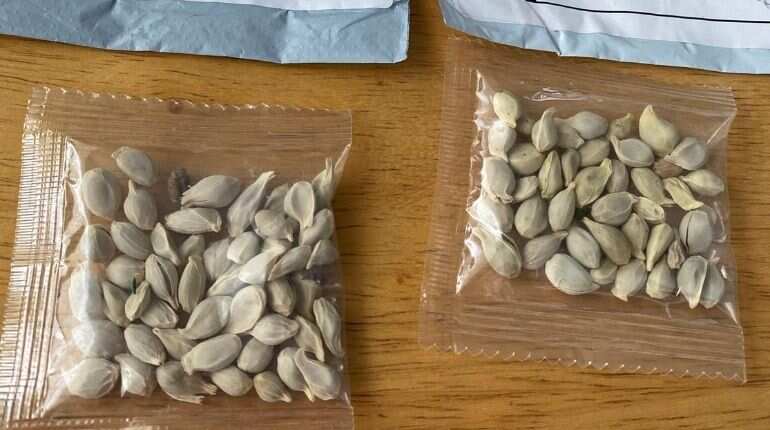
As if a health crisis was not enough, China is now exporting a biosecurity crisis. Mysterious seed packets have landed in mailboxes across the globe.
Last week the seeds had landed in the United States, the United Kingdom, and Canada. Today China has attacked at least three more countries with these seeds of doubt including New Zealand and Japan.
In New Zealand, a woman received a parcel claiming to contain a toy. The shipment was from Zambia. In Japan, a man received a bag of seed-like objects. Each measuring about 2 millimetres.
Meanwhile, India is on alert. The mysterious seeds have not yet landed in the country. But experts and the ministry of agriculture have been alerted about the possibility of seeds coming into India through e-commerce.
Authorities have already warned people against China's seed terrorism.
Keshavulu kunosoth, vice president of international seed testing association says that the seeds are a threat to global food security.
So far, experts have been able to identify 14 varieties including seeds of flowering plants like hibiscus, and lavender. The seeds are also being probed in the UK.
What role does Taiwan play in china's seed terrorism?
Last week, the Ontario police had tweeted this photo of a seed packet. The tweet read: 'if you receive an unsolicited shipment of foreign seeds in the mail from china or taiwan do not plant or dispose of them. Call the canadian food inspection agency.'
Several reports claimed that the seeds sent to Canada were from Taiwan. Taiwan's postal service has now issued a clarification. It said that the shipment was via Taiwan and not from Taiwan. The seeds were sent on behalf of a private logistics company.
Taiwan's post-service has slapped a fine of around $ 3500 against the particular company for sending prohibited items through the mail.
The logistics company, however, has reportedly refused to identify the sender.
Why is china sending these seeds?
These are seeds of an invasive species and it is an attempt by China to introduce pathogens or disease. US authorities claim that these packets are a part of China's brushing scam.
People are being sent these seeds by china's online sellers so that they can generate a transaction and justify fake reviews.