Activists renew calls for rich polluting nations to compensate developing countries for climate crisis

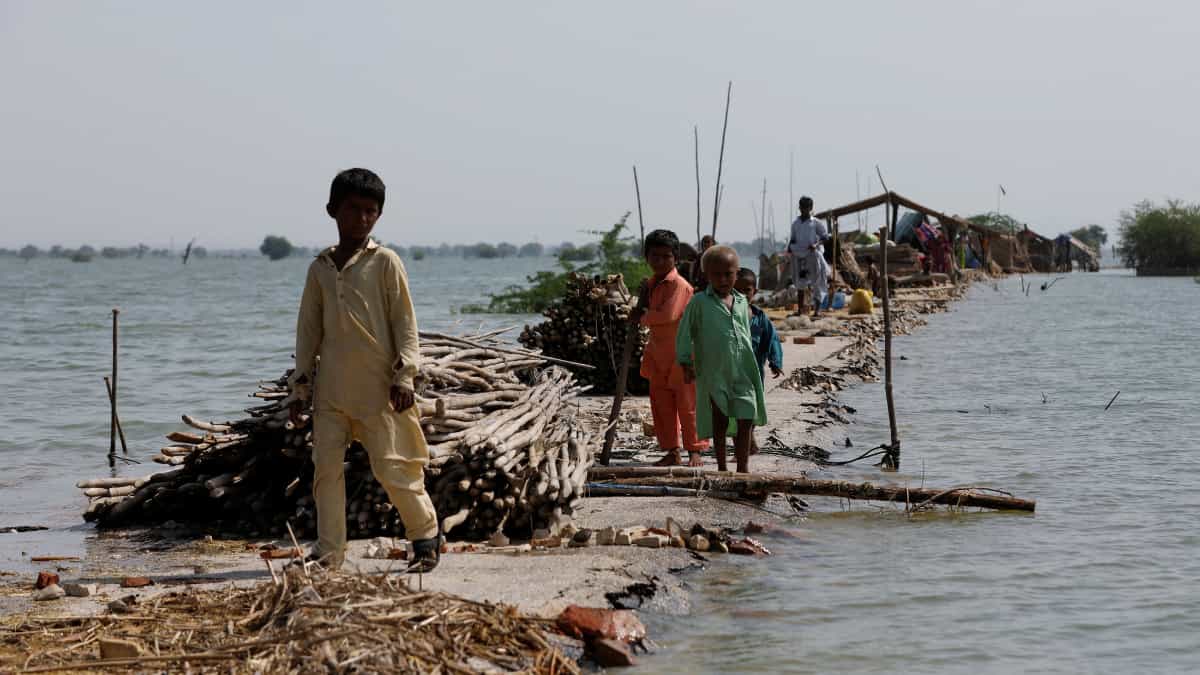
Floods in Pakistan
Activists haverenewed calls for rich polluting nations to compensate developing countries for the devastating impacts caused by the climate crisis following the catastrophic floods in Pakistan.
Just as racial justice activists call for compensation for the descendants of enslaved people, campaigners want to go further and frame the issue as "climate reparations".
Rather than devoting the funds for increasing resilience to a rapidly changing planet, green groups are calling for debt cancellation ofcash-strapped nations that spend huge portions of their budgets servicing external loans.
Although small island nations susceptible to rising sea levels were the first to push the idea, it is gaining momentum once again due to the catastrophic inundations in Pakistan.
Unprecedented monsoon rains havekilled almost 1,600 while it displaced several million and caused a loss of approximately $30 billion.
In comparison to the G20 countries, which account for 80 per cent of global greenhouse emissions, poor nations produce less than one per cent of it.
Taking steps to alter systems and improve infrastructure for changes that are already locked in and reducing heat-trapping greenhouse gases are currently the two-pronged approach used in the international climate response.
Seeking compensation for multiplying severe weather impacts that countries cannot withstand, calls for "loss and damage" payments go further than adaptation financing.
While as much of the mobilised funding came in the form of loans, advanced economies agreed to channel $100 billion to less developed countries by the year 2020.
With the benefits flowing to a tiny elite, Pakistan's emissions are fast rising although they are low on the global scale.
UN chief Antonio Guterres' call for "meaningful action" and "loss and damage" payments boosted the concept of reparations but the issue is sensitive for rich countries.
In the Paris Agreement, the United States kept language regarding "liability and compensation" out as it is the largest emitter of greenhouse gases historically and Washington fears it could pave the way for legal action.
(With inputs from agencies)
Watch WION's live TV here: