Abuse, torture, sexual assault in Syria's prisons

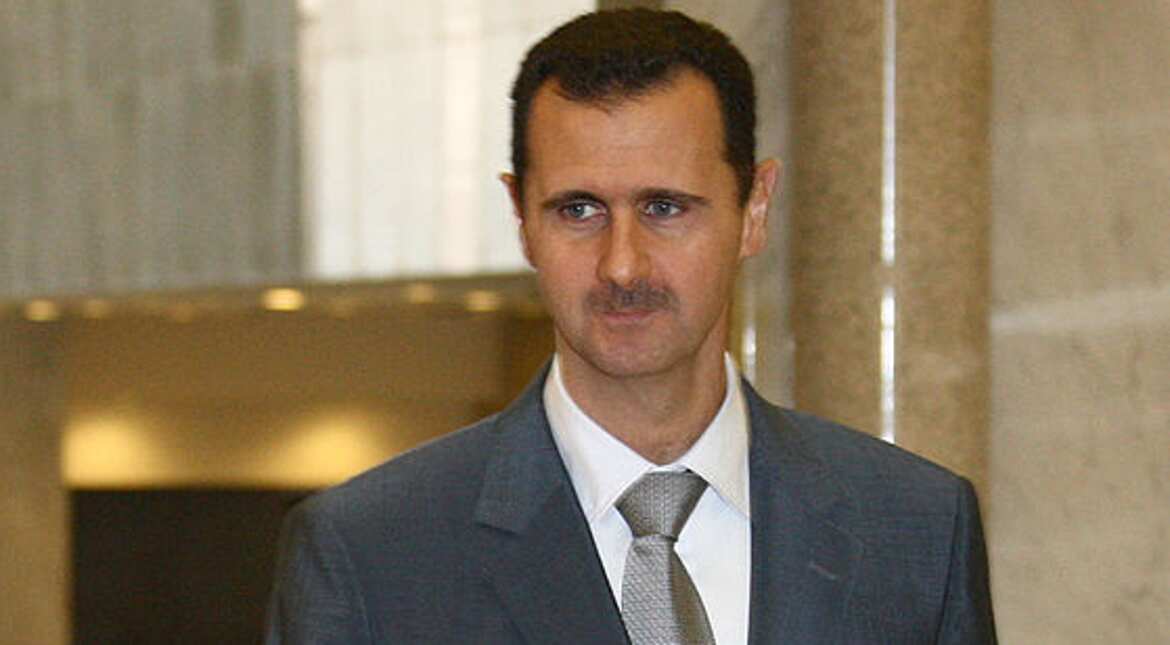
Syrian President Bashr al-Assad
Amnesty International published a report that said nearly 13,000 Syrians have been secretly hanged in Saydnaya prison between 2011 and 2015
"There were children with me, three to four-month-old babies and there was no place for them or their mothers. In one single room there were thirteen women," says Rowaida.
"Did the babies die?" asks the interviewer.
"One baby. She was four or five days old. She died after her mother gave her birth," answers Rowaida. The baby's mother was arrested when she was pregnant and gave birth behind bars. Without any medical support, her baby did not survive.

Amnesty International today accused Syria's government of hanging up to 13,000 people at a notorious prison over five years in a "policy of extermination", two weeks before planned peace talks. Here's more to this story. (WION)
Rowaida is one of the many women that Syrian government forces locked in a jail during the anti-Assad protests. Her crime: working for a non-aligned media. She spent ten months in prison, moving from one location to another. The worst jail, according to her, was the one managed by the Mukhabarat, Syria's military intelligence service. Prisoners were fed only with semi-raw potatoes, there was no light and prisoners were constantly tortured.
)
Trump announces ‘AI Force’ as debate grows over AI risks and regulation
)
Vibe vs Daayra box office collection day 2: Kunal Kemmu’s directorial stays ahead of Kareena Kapoor's crime thriller
)
Munich Mayor taps first keg to kick off Oktoberfest
)
Trump in ‘deciding mode’ on Iran, says ‘very big things’ going to happen soon
)
S Jaishankar, former Army chief among high-profile names issued Delhi SIR notices
&im=FitAndFill=(700,400))
What TSMC's 2nm technology means for Apple
)
Mark Carney mimics Trump in hilarious moment over C$70 billion clean-energy investment; room erupts in laughter
)
Trump defends AI amid growing alarm, announces new 'AI force' and promises an 'AI czar'
)
Samsung raises Galaxy S26 prices by Rs 20,000: Here’s what each model now costs
)
West Indies Squad for India Series: Hetmyer included for T20Is, Holder rested
)
'Were you here to sell chickpeas?': Wasim Akram criticises Babar Azam's captaincy
)
9 women found dead near Johannesburg: South Africans rally, demand 'enough' to femicide
)
Several petrol pumps, other businesses to refuse UPI payments above Rs 2,000 from Oct 16: Is it legal?
)
North Korea's nuclear tests triggered 1,399 earthquakes: Earth is still shaking | Gravitas
)
BTS' fans question iHeartRadio’s treatment of group after brief festival set
)
Trump says he'll build an 'AI Force' and appoint a czar, for 'high IQ' people only
&im=FitAndFill=(700,400))
Top 10 countries in mathematics: See the world’s best performers in 2026
)
Ed Sheeran addresses Macklemore's removal, Gaza conflict during Philadelphia concert: 'I cannot hide how I feel'
)
Trump signs Russia sanction bill. How will it impact India? WION Explains
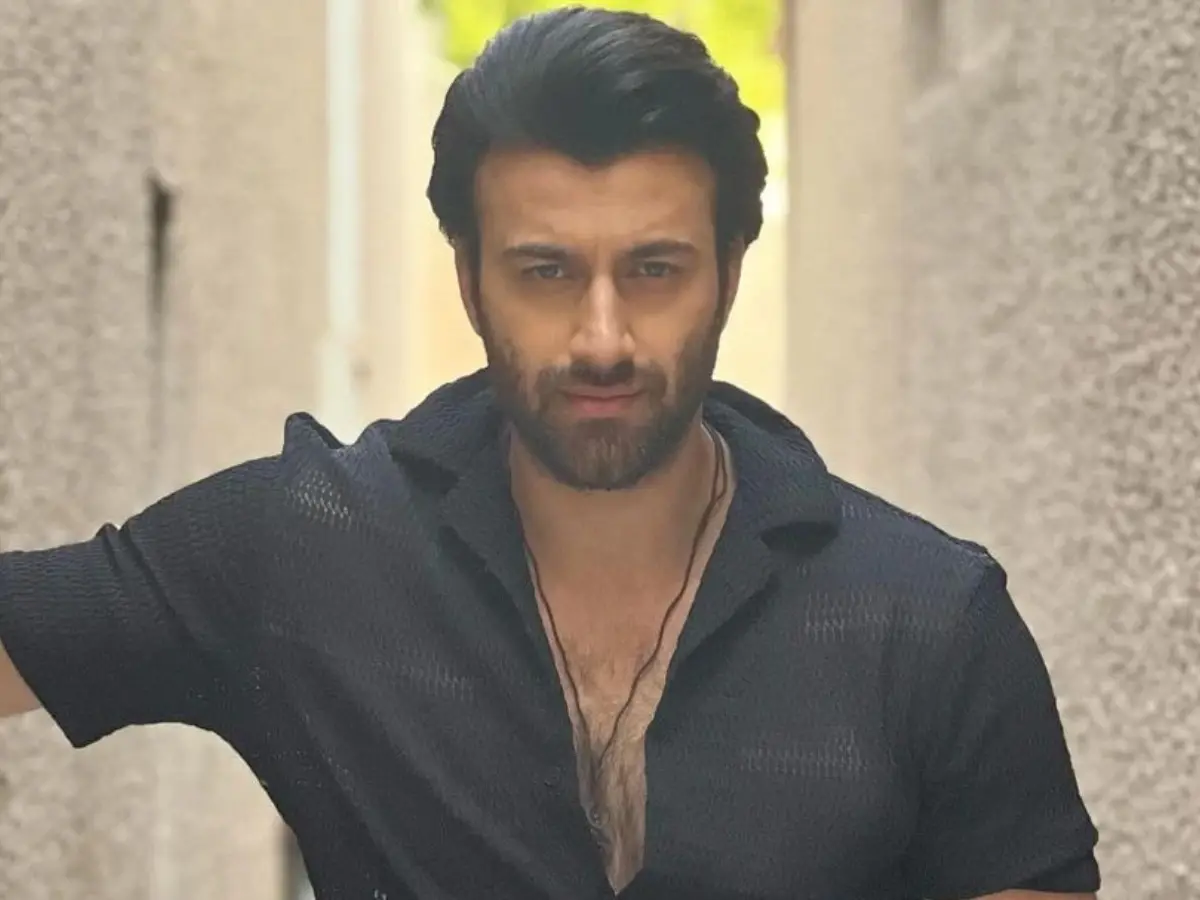)
Bigg Boss 20: Who Is Rohed Khan? Meet the Austrian actor from Bade Miyan Chote Miyan
)
Israeli President pardons combat medic who shot dead a badly wounded Palestinian attacker
)
Saudi Arabia exits China-led mBridge digital currency platform amid Saudi-Houthi conflict
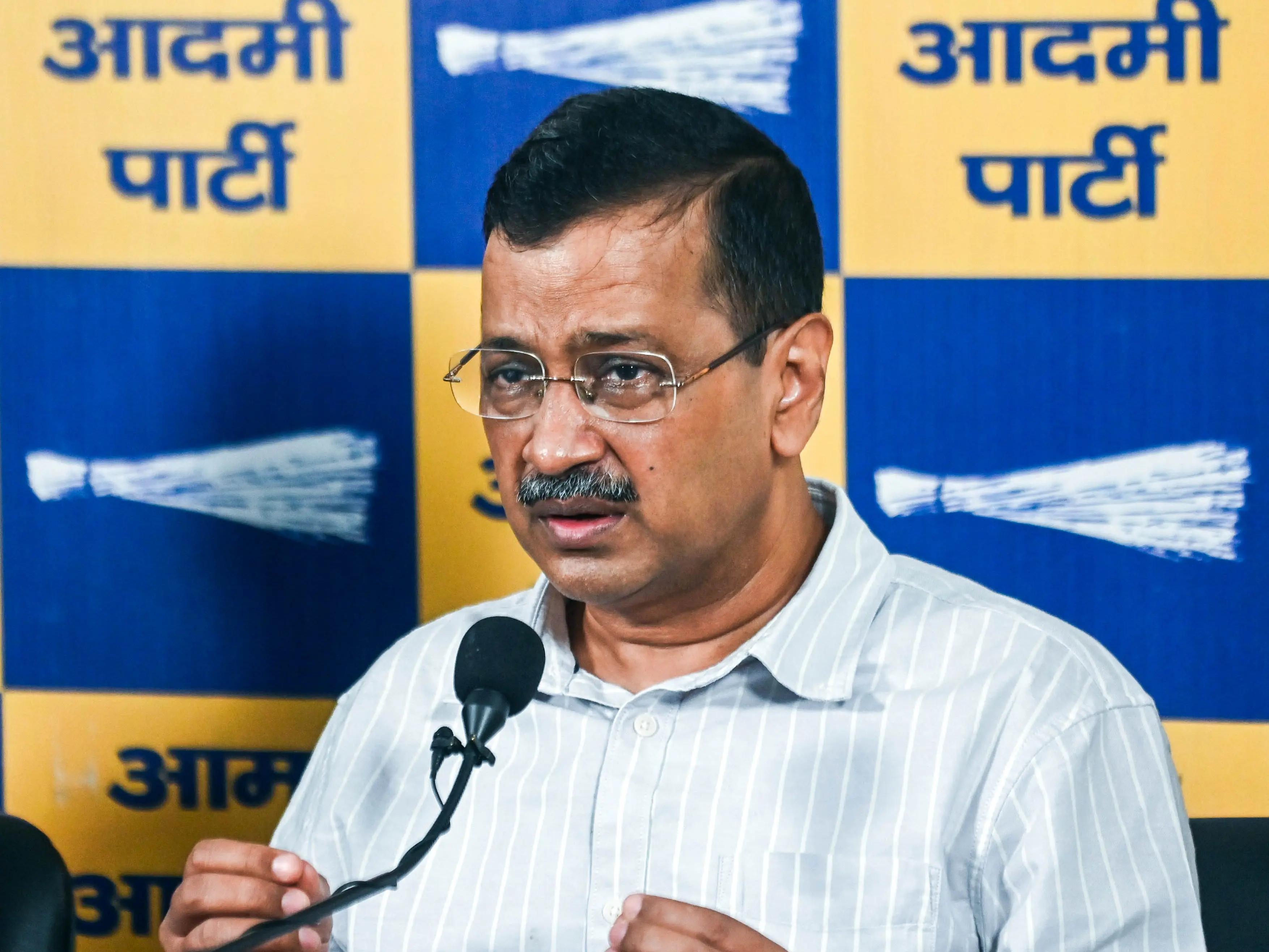)
Arvind Kejriwal, family members, Delhi CM Rekha Gupta get SIR notices
)
AI safety debate: Trump says he will not tolerate attempts to slow AI growth
)
China now makes advanced memory chips without the machines it was banned from buying
)
Saudi vs Houthis: Houthis claim missiles & drones used in attack on key Saudi sites
)
AUS vs ZIM, 3rd ODI: Ellis stars as Australia edge Zimbabwe by one wicket in last-over thriller
)
Italy to ban burqa and hijab in schools, limit foreign students per class: PM Giorgia Meloni
)
'Lot of things to learn from experienced players': Jayasuriya backs Rohit, Virat for 2027 ODI World Cup
)
Kampala-Ankara rift deepens: Uganda suspends military ties, seeks Fred Lumbuye's extradition
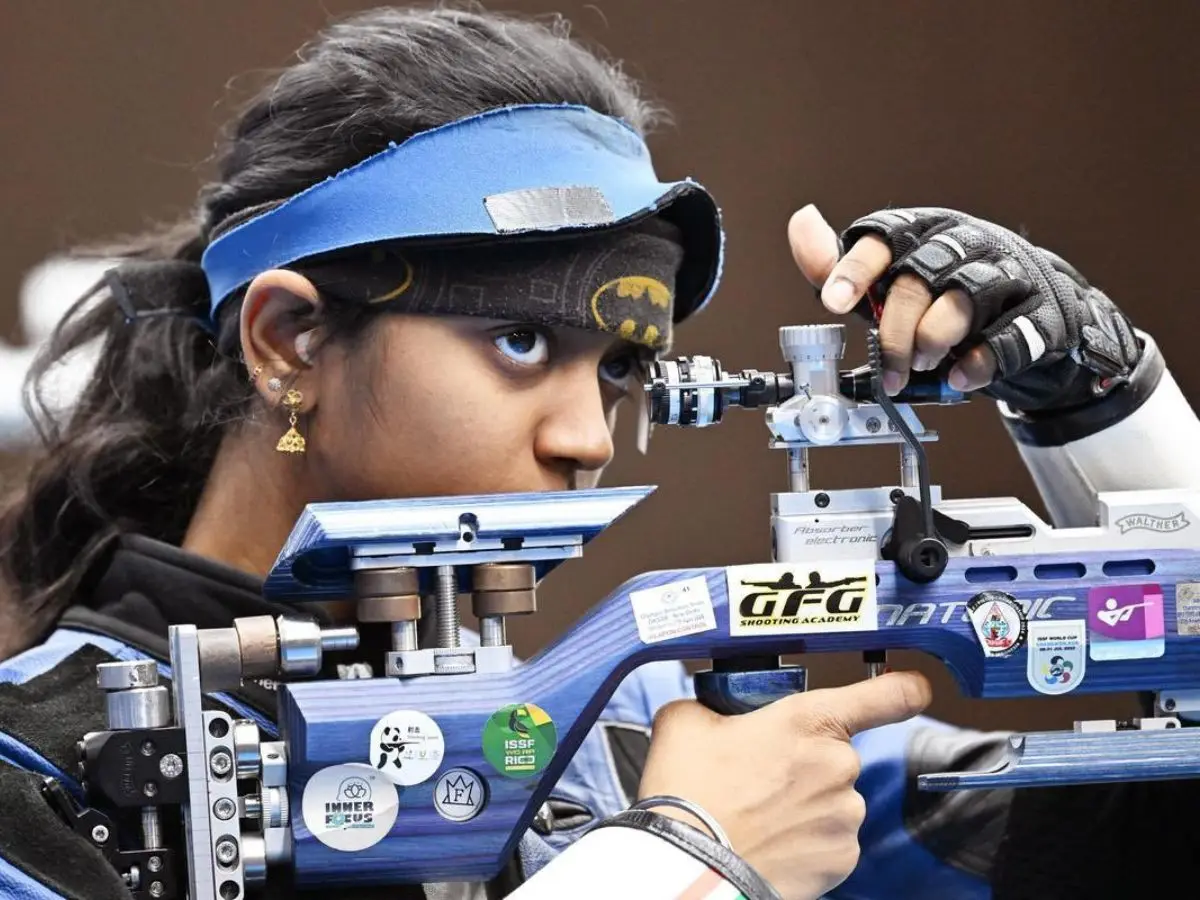)
Asian Games 2026: India win first medal as women’s 10m air rifle team claims silver
)
Sikh bus driver assaulted, bus stolen and rammed into cars in England; video surfaces
)
AI actress Tilly Norwood glitches mid-interview, switches from English to Chinese | Watch
)
Iran sets 7 conditions to end war with US: What are Tehran’s demands?
)
Harry Brook targets long reign at top of T20I rankings after Sri Lanka sweep
"I was a prisoner...," she says. She hesitates for a moment. "Taedhib... taedhib," she whispers in Arabic looking for the English word for it. "Torture," says a metallic voice coming from a translator.
"In my room, there were also 70 to 80-year-old women. Maybe their sons were activists." They were jailed to put pressure on their family members, to convince them to turn themselves in.
"Boys were tortured more than women. We could hear the sounds. I saw three men dying," says Rowaida with a trembling voice.
Certain memories are so brutal that it is difficult to find enough voice to express them. Often they are not even very clear in your mind, they are like frames. The more you think about them the more frames cometo your mind and the more difficult it becomes to narrate them.
"Tortured to death?"
"Yes."
For those who survived imprisonment, talking about their experiences is not easy. Recalling torture and humiliation is like experiencing it again.
Speaking out sometimes makes it more difficult for women than for men. In conservative context, a woman who ends up in jail during protests risks being condemned twice. The first time because she is protesting and the second because she is a "woman" protesting. Most feel she should be at home, taking care of her family.
This is might not be the case of Syria, a country which is largely secular in its approach to gender. Women have been on the forefront of protests, leading networks and cimmittees, but social stigma plays a central rolein rapecases though. Prison guards know it, they know how families and the society in general valuevirginity, how it is considered a pillar of a woman's reputation.It happens that female prisoners who have been sexually assaulted by their guardsare afraid to admit it. They fear that their communities will morally judge them, and that no one will ever consider to approach them, let alone marry them. The major risk is that there comes a point when a victim convinces herself to actually be somehow responsible for what happened and refuses to denounce it.
The human rights NGO Amnesty International published on Tuesday a report which explicitly states that between 2011 and 2015 nearly 13,000 Syrians weresecretly hanged in Saydnaya prison, near Damascus. In 2014, a former Syrian military photographer nicknamed Caesar smuggled out of the country 55,000 pictures coming from an extended underground network of prisons operated by Assad's security agencies.
Syrian President has always denied anyallegations on the use of torture and random imprisonment. "Who said this is done by the government, not by the rebels? Who said this is a Syrian victim, not someone else?" argued Assad in an interview with the magazine's foreign affairs correspondent.
It is difficult to believe that the government was unaware of what was going on in their jails. The possibility that a President does not know anything about his government's security agencies torturing and killing thousands of citizens is even more alarming.
Memory is a collective mechanism with many witnesses speaking and recalling abuses they faced during often random detentions. The overall picture points towards only one thing: The Assad government most likely has tried to stop political dissent through torture and murder.
(WION)