A victory for African National Congress but a defeat for Jacob Zuma

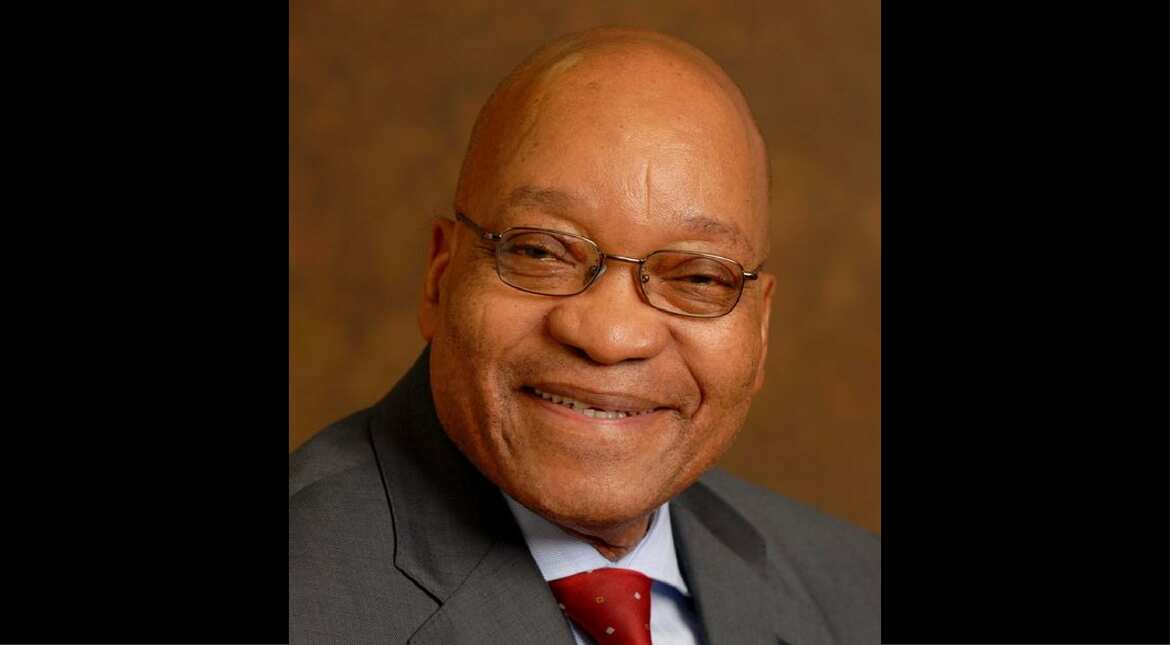
Jacob Gedleyihlekisa Zuma
The failure of ANCs'?MPs to remove president Jacob Zuma?from power in spite of corruption charges against him further weakens ANC
Having survived eight motions of no confidence, South Africa's president Jacob Gezedleyihlekisa Zuma has emerged as a political survivor. From his rise to powerto the eighth time attempt at removing him from the power and with all the corruption scandals, President Zuma's political career has been a rollercoaster ride.
Things, however, are different this time. Zuma might have survived this eighth no confidence vote by 198 votes, butthe results have proved his victory to be narrow. Worst still, 29 of Zuma's own MPs voted to oust him. This brings to light that Zumamay not be enjoying full support within The African National Congress (ANC) after all.
29 of Zuma's own MPs voted to oust him.
ANC which enjoys 62.15 per cent of votes saw the majority of its MPsunited to save the party. Despite the rift among partners of the ANC's tripartite alliance, the victory was not for Zuma but for the ANC, and here is how it happened. Ahead of the vote, the ANC factions failed to reach a consensus on who will lead the party should the no confidence vote succeed.
Addressing the media few days before the vote, the ANC Chief Whip Jackson Mthembu said that the ANC is not ready for a new leader, and voting president Jacob Zuma out would be like a nuclear bomb. Zuma's deputy Cyril Ramaphosa Blade as well as Ndzimande, the leader of the South African Communist Party ( SACP), added to the explosive words of the chief whip by calling for the resignation of Zuma.
The SACP holds a majority of 80 MPsout of the 249 ANC tripartite alliance. The majority of ministers in the Zuma cabinet are SACP members, including Zuma's deputy Ramaphosa. The communists publicly supported calls for the president to resign since the Finance Minister Pravin Godharnthe was fired in an overnight cabinet reshuffle.
the failure of ANCs'MPs to remove president Jacob Zumafrom power in spite of corruption charges against him further weakens the ANC ahead of the general election.
Although the Opposition which championed the no confidence vote fell short of the requisitenumber of MPs to support the motion, the failure of ANCs'MPs to remove president Jacob Zumafrom power in spite of corruption charges against him further weakens ANC, the "liberator party", ahead of the general election in 2019.
This has been the dream of the main Opposition: to collapse the once resilient structure of ANC through exposing its flaws and rift. Already the Democratic Alliance (DA)is sharing power in some of the ANC'skey metro municipalities and there has been a complete ouster of the ANC in 2 metros.
The outcome of the no-confidence motion has further depreciated the South African Rand and many of the problems raised during the debate remainunresolved. As the party goes to an elective conference in December, it is still unclear as to who will lead the ANC to the 2019 polls, and turn around Africa's most advancedeconomy by bringing about a change in the devastating unemployment rate of 27 per cent.