43,000 'excess deaths' in Somalia last year from drought, half may be children under five

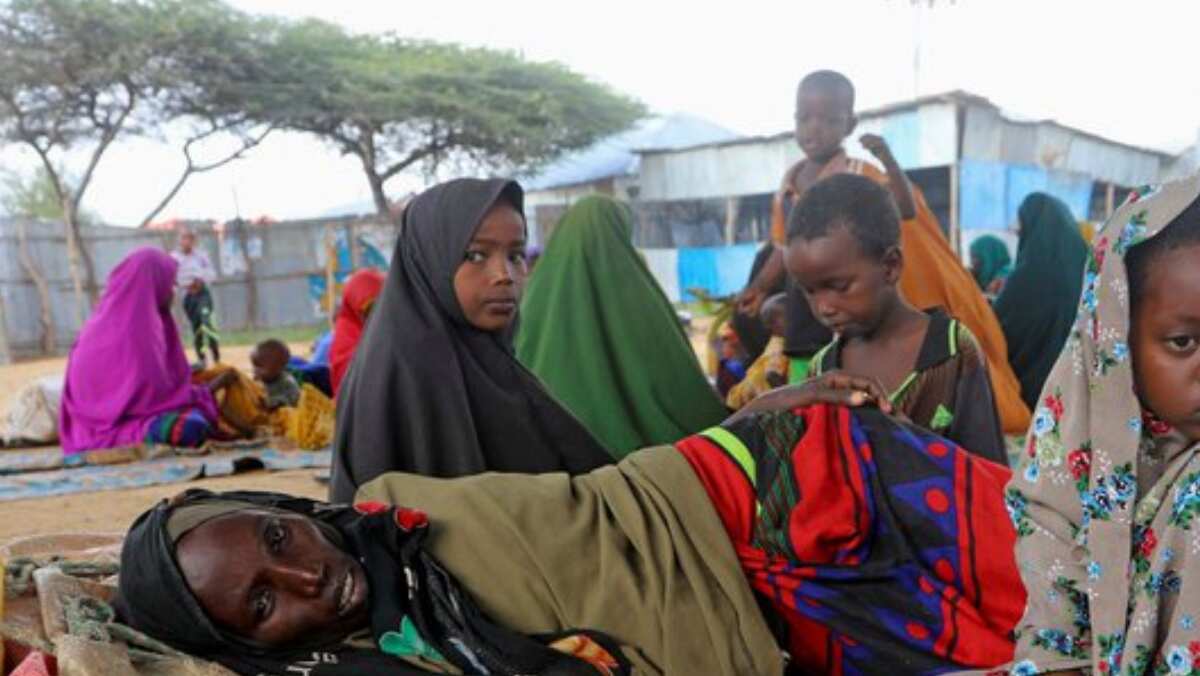
43,000 'excess deaths' in Somalia last year from drought, half may be children under five
A new report by Somalia's health ministry, WHO and UNICEF stated that about 43,000 "excess deaths" might have occurred in Somalia from drought last year in comparison with 2017 and 2018 drought crisis.
It added that half of these deaths might have occurred among children under the age of 5.
To allow proactive intervention and prevent drought-related mortality, a model was also created from the same study for the first time. According to the forecasts, which covers January through June 2023, 135 people might dieevery day as a result of the crisis, with the total number of fatalities predicted to range between 18,100 and 34,200 over this time in these six months.
These projections imply that, despite the fact that hunger has been temporarily avoided, the crisis is still ongoing and has already surpassed the drought disaster of 2017–2018 in severity.
These numbers were obtained using a statistical model that predicted that, between January and December 2022, the crude death rate in Somalia went from 0.33 to 0.38 fatalities per 10,000 person-days. It also revealed thatthe rate among children under the age of five was nearly twice as high. By June 2023, the crude death rate is anticipated to be 0.42 deaths for every 10,000 person-days.
The London School of Hygiene and Tropical Medicine and Imperial College London carried out the study, which was commissioned by UNICEF Regional Office and WHO country office of Somalia.
It gives retrospective estimates of mortality across Somalia from January to December 2022. The areas around the Bay, Bakool, and Banadir regions of south-central Somalia, which are currently the epicentre of the drought, were thought to have the greatest fatality rates.
Somalian Minister of Health Dr Ali Hadji Adam Abubakar said, “We continue to be concerned about the level and scale of the public health impact of this deepening and protracted food crisis in Somalia. At the same time, we are optimistic that if we can sustain our ongoing and scaled-up health and nutrition actions and humanitarian response to save lives and protect the health of our vulnerable, we can push back the risk of famine forever."
"Else, those vulnerable and marginalized will pay the price of this crisis with their lives. We, therefore, urge all our partners and donors to continue to support the health sector in building a resilient health system that works for everyone and not for the few. Building a healthier and happier world for all Somalis remains at the heart of our government," he added.
This is the worst drought in recent history in Somalia. It is continuing for five seasons in a row and has left five million people in severe food insecurity and nearly two million children at danger of malnutrition. In order to provide for 7.6 million people's needs in 2023, the UN will need to raise more than US$2.6 billion.
WHO Representative to Somalia and Head of Mission, Dr Mamunur Rahman Malik said, “We are racing against time to prevent deaths and save lives that are avoidable. We have seen, deaths and diseases thrive when hunger and food crises prolong. We will see more people dying from the disease than from hunger and malnutrition combined if we do not act now. The cost of our inaction will mean that children, women and other vulnerable people will pay with their lives while we hopelessly, helplessly witness the tragedy unfold.”
WATCH WION LIVE HERE
You can now write for wionews.com and be a part of the community. Share your stories and opinions with us here.