1 in 4 young children living in severe food poverty: UNICEF

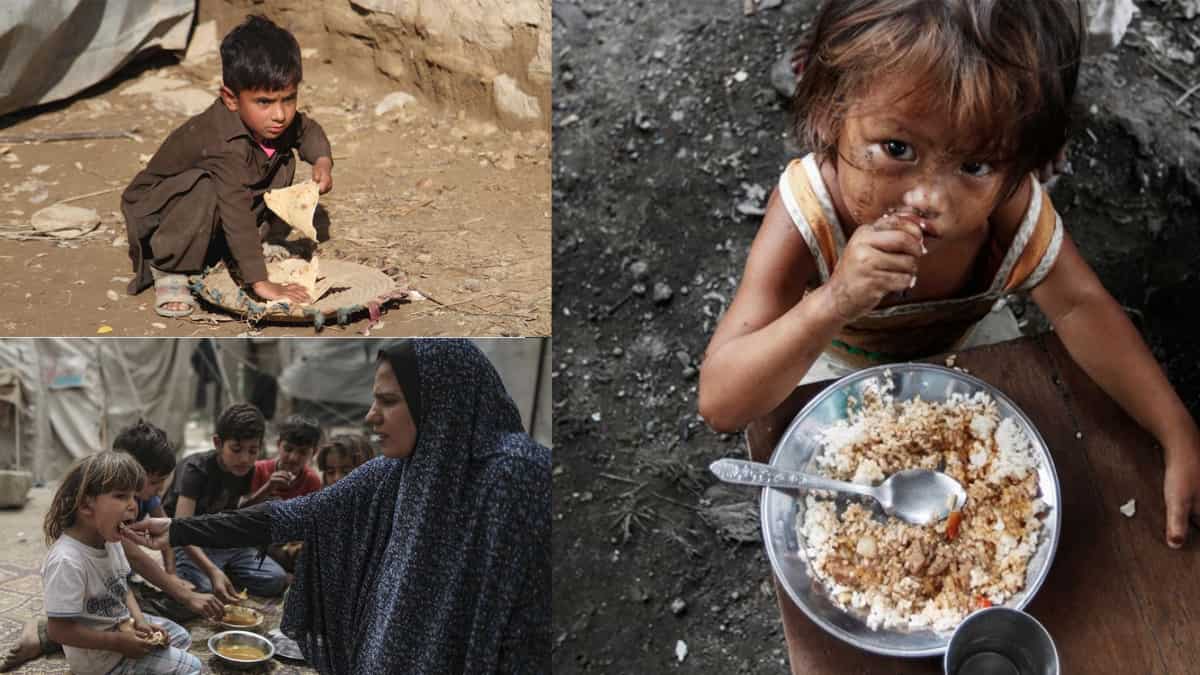
For representative use.
UNICEF has warned that a significant section of young children worldwide lack access to proper nutrition.
Alarmingly, over 25% of children under five years of age live in ‘severe’ food poverty, translating to more than 180 million facing detrimental effects on their growth and development.
Harriet Torlesse, a lead writer of a new UNICEF report published late Wednesday (June 5), told AFP news agency that It is shocking in this day and age where we know what needs to be done.

UNICEF advises that young children eat foods daily from five of eight main groups -- breast milk; grains, roots, tubers and plantains; pulses, nuts and seeds; dairy; meat, poultry and fish; eggs; vitamin A-rich fruits and vegetables; and other fruits and vegetables.
Shockingly 440 million children under five across 100 low- and middle-income countries are grappling with food poverty. This means their diets lack the essential variety they need, hindering their growth and development.
)
What’s in a name? Trump’s 'Lake America' move gets a tit-for-tat response from Canada
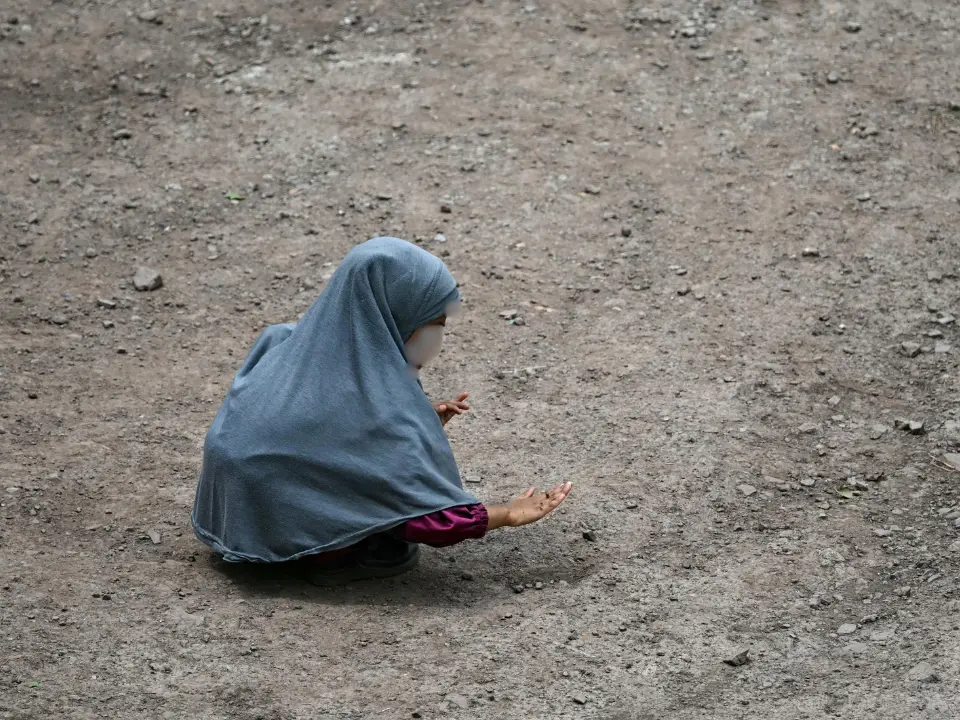)
Outrage erupts after 3-year-old is married to 60-year-old man in Pakistan, link to her sister's murder being probed
)
Trump gifts Xi a bald eagle sculpture at White House dinner: Here’s what it symbolises
)
‘Not just a local tragedy’: Nepal PM Shah warns UN of growing climate threat, says Nepal floods were 'a warning to the world'
)
Farhan, who went viral for AK47 celebration vs India in Asia Cup, hopes to lead Pakistan beyond Asian Games
)
CNN, Politico and MS NOW back in White House after judge blocks Trump’s media ban
Don't Be Shy movie review: A frothy coming-of-age tale that is too shy to experiment
)
IIT Bombay CCTV footage emerges: Sahil Wakode seen looking at phone in examination hall
)
Tesla is preparing something big for Optimus: new Gen 3 models surface in app
)
Bias or safety concerns? Bengaluru CEO says firm will not hire men from UP, Bihar, Rajasthan, MP. Here's why
)
Trump's welcome to Xi demonstrates 'attraction' to dictators: Chuck Schumer
)
Nations League: Germany draw on Klopp debut; Portugal, Norway win
)
WION Iconic Tourism Summit 2026: Union Minister Shekhawat on 'experiential travel', peace diplomacy
)
Scientists detect first radio signals directly from faraway planet
)
A seven-day roadmap? Iran proposes plan to end war, reopen Strait of Hormuz and resume nuclear talks
)
China to test supersonic jet that moves at Mach 2, double the speed of sound
)
The Vvaan Review: This Ekta Kapoor's Tulsi Virani-coded world can't be saved by Sidharth Malhotra and Tamannaah Bhatia
)
Xi Jinping's 'special plane' vs Trump's Air Force One: What's the difference?
)
UNGA 2026: Israeli PM attacks Britain, France for past colonialism
)
West Indies coach Sammy looking at India series as opportunity to finetune ahead of ODI World Cup 2027 qualifiers
)
‘We’ve never gotten along better’: Trump praises Xi, jokes about White House ballroom at high-stakes state dinner
)
Air India pilot suspended after failing pre-flight alcohol test on Zurich-Delhi route
)
Yemen called Trump for US military support in fight against Houthis: Official
)
2,000-foot tube, laser tests and more: China builds towns to expand nuclear arsenal, satellite images show
)
Meet Adrian Abraham: 9-year-old Indian-origin guitar prodigy aiming for a Guinness World Record
)
US faces fresh cost crunch as mortgage rates hit 7%, oil tops $107 and gas prices surge
)
'Blockbuster' nor'easter develops an eye similar to hurricanes as warnings are issued
)
Alarming video emerges as landslide damages houses in Sikkim’s Rimbi village. Watch
)
OpenAI is building AI to fight cyber threats: What GPT-6 Cyber means for security
)
'Making history': Xi Jinping praises Trump as US-China leaders dine at White House
)
'What kind of confession is this?': Pakistan PM Shehbaz Sharif’s 'terrorists would be roaming New York' remark goes viral, raises alarm online. Watch
&im=FitAndFill=(700,400))
Netanyahu at UN: Mass walkout, attack on Mamdani and Iran threats | In Pics
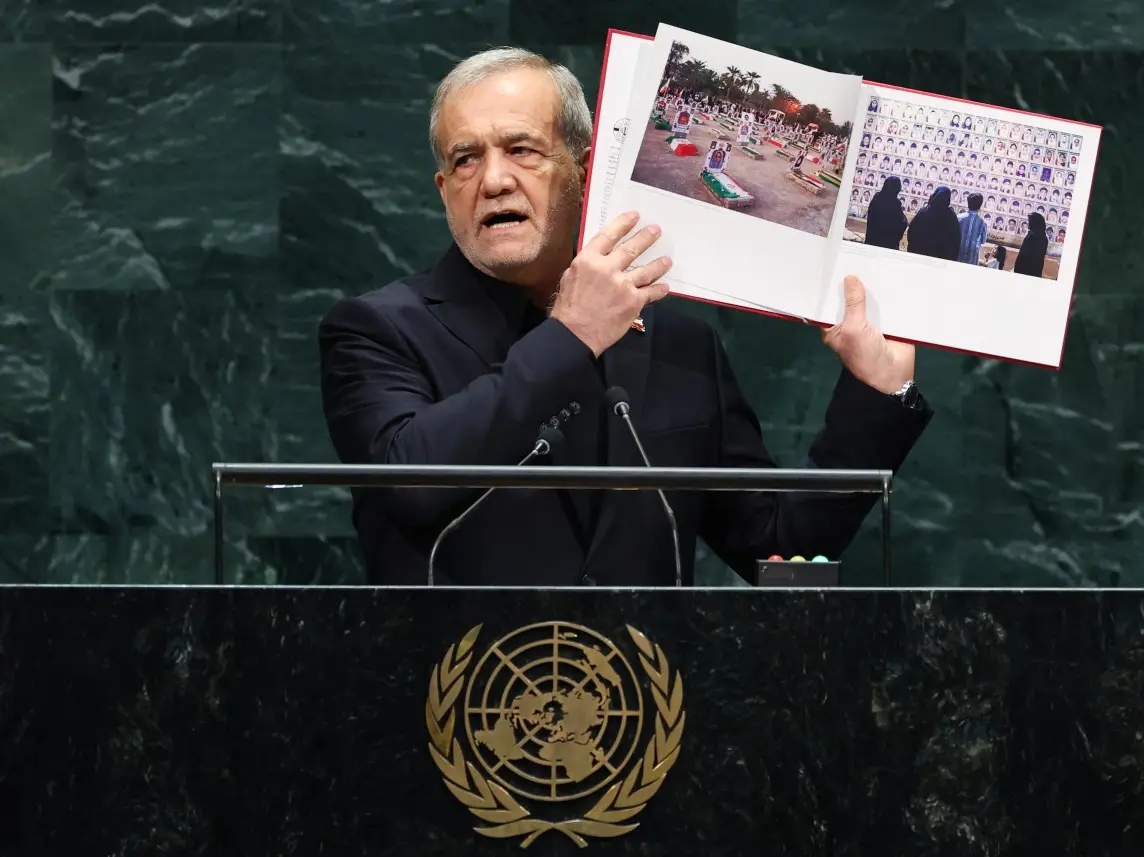)
'We do not wish to continue. It's America that must choose': Iran president Pezeshkian calls on US to end war
)
WION Iconic Tourism Summit: How local tourism MSMEs must upskill for AI integration
)
Bollywood mourns Mushtaq Khan: Sunny Deol, Rajpal Yadav and others pay tribute
)
'FIRST LOOK from inside Noah’s Ark': Researchers share video from inside mysterious mound in Turkey
)
Israeli envoy to US Yechiel Leiter’s son critically injured in West Bank ramming attack
)
'Fund people, not bombs': Hundreds take to New York streets as Netanyahu delivers speech at UN; dozens arrested
)
Of those, 181 million are experiencing severe food poverty, eating from at most two food groups.
"Children who eat just two food groups per day -- for example, rice and some milk -- are up to 50 per cent more likely to experience severe forms of malnutrition," UNICEF chief Catherine Russell said in a statement accompanying the report.
Malnutrition can lead to emaciation- a state of being abnormally thin that can be deadly.
"When these children are adults, they find it difficult to earn a decent income, and that turns the cycle of poverty from one generation to the next," the nutrition expert said.
The burden of severe child food poverty falls disproportionately on a small number of countries. Somalia, Guinea, Guinea-Bissau, and Afghanistan are particularly affected, with over half of their young children (63%, 54%, 53% and 49%) facing this challenge.
While the data for wealthy countries is not available, children in low-income households there also suffer from nutritional gaps.
The UN Children's Fund report says that the current circumstances in the Gaza Strip, where Israel is waging a war against Hamas militant group,have brought the food and health systems to collapse. It showed about nine in 10 children were living in severe food poverty.
The report further called for a change of the global food processing system, stating that sugary drinks and ultra-processed foods were being aggressively marketed.
“While these cheap foods may be tempting because they fill stomachs quickly with high calories, salt, and fat, they're like empty calories. These lack the essential vitamins and minerals children need for healthy growth and development,” explains Harriet Torlesse.
(With inputs from agencies)