

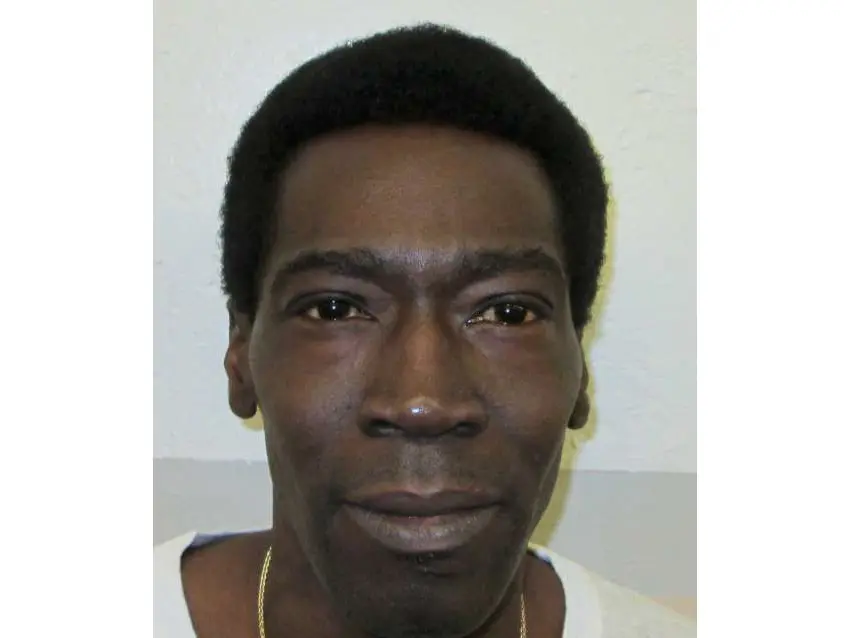
&imwidth=800&imheight=600&format=webp&quality=medium "'I didn’t kill anybody’: Alabama man’s last words before execution by nitrogen gas for 1993 murder amid legal challenges")
An Alabama man, Anthony Boyd, was executed by nitrogen gas on Thursday (October 23) evening after the US Supreme Court allowed the controversial method to proceed. Boyd, 54, had been convicted of aiding in the horrific 1993 murder of Gregory Huguley, who was burned alive. In his final statement, Boyd denied involvement in the murder, claiming his innocence. "I didn’t kill anybody. I didn’t participate in killing anybody," he was quoted as saying to The Associated Press. Boyd’s execution occurred at the William C Holman Correctional Facility, where he was strapped to a gurney and forced to breathe nitrogen, depriving his body of oxygen and causing suffocation. He was pronounced dead at 6:33pm.
The method, nitrogen hypoxia, has become a controversial alternative to lethal injection, which has become harder to carry out due to shortages of the necessary drugs. The Supreme Court's conservative majority denied Boyd's petition for a stay of execution, with liberal justices dissenting. Justice Sonia Sotomayor expressed strong opposition, comparing Boyd’s suffering to prolonged suffocation. This marks the eighth use of nitrogen as an execution method, following Alabama's experimental use of it on Kenny Smith in 2024. Witnesses to Smith's execution reported his convulsions and violent movements. Other executions using nitrogen have similarly raised concerns, with one man continuing to breathe for several minutes after being exposed to the gas.
Boyd’s defense team argued that the nitrogen method constitutes cruel and unusual punishment, violating the Eighth Amendment. However, the federal judge overseeing the case dismissed this claim, saying that the Constitution does not guarantee a painless death. Boyd had been convicted based on testimony from an eyewitness and no physical evidence linking him to the crime. His death sentence was imposed despite a non-unanimous jury verdict, as Alabama and Florida are the only states where such sentences can be handed down without full jury consensus.

