

&imwidth=800&imheight=600&format=webp&quality=medium "‘Decisive diplomatic victory’: Bangladesh hails landmark trade deal with Trump, secures lower tariff rate")
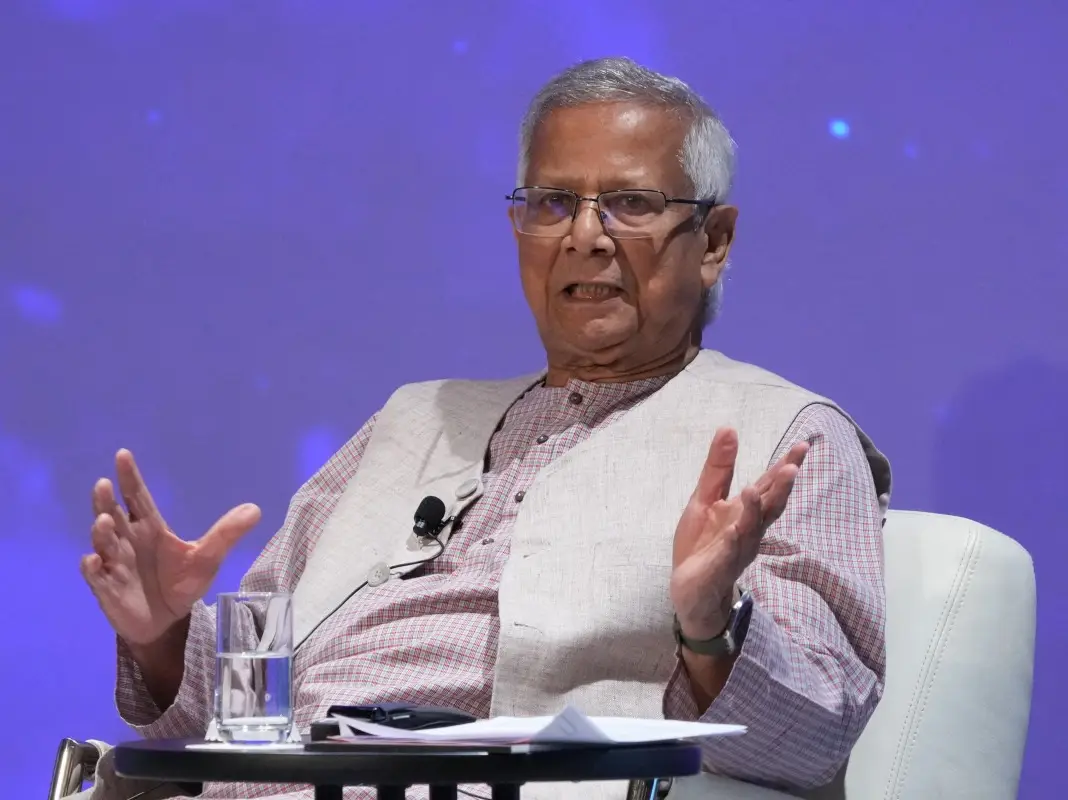
Bangladesh has secured a 20 per cent tariff rate following negotiations with the United States, Chief Adviser of the interim government said in a statement on Friday (Aug 1). This comes as US President Donald Trump, on Thursday, signed an executive order imposing tariffs on dozens of its trade partners. Muhammad Yunus said that by reducing tariffs to 20 per cent, 17 points lower than anticipated, their country’s negotiators have shown remarkable strategic skill and commitment to safeguarding the economic interests of Bangladesh.
“We proudly congratulate the Bangladesh tariff negotiators on securing a landmark trade deal with the United States, a decisive diplomatic victory,” Yunus wrote on X. “By reducing the tariff to 20%, 17 points lower than anticipated, our negotiators have demonstrated remarkable strategic skill and unwavering commitment to safeguarding and advancing Bangladesh’s economic interests.”
Calling the negotiating process on tariffs and national security matters “complex”, the Bangladeshi chief adviser said that they have been working “relentlessly” since February.
“They have been working relentlessly since February and navigated successfully through a complex negotiating process involving tariff, non-tariff and national security matters. The agreement they negotiated preserves our comparative advantage, enhances our access to the world's largest consumer market and safeguards our core national interests,” he added.
Yunus further added that the “achievement” not only underscores the country’s growing strength on the global stage but also opens the path to greater opportunities, increased growth, and lasting prosperity.
“The future of Bangladesh is undeniably bright. Today’s success stands as a powerful testament to the nation’s resilience and its bold vision for a stronger economy tomorrow,” he said.
Meanwhile, Trump has imposed a 25 per cent tariff rate on Bangladesh’s neighbour, India. He said that the US has a massive trade deficit with India, adding that the nation will be paying additional penalties due to its trade relations with Russia.

