What is Opus Dei? Know why Catholic schools in Australia are protesting against pro-LGBTQ+ laws

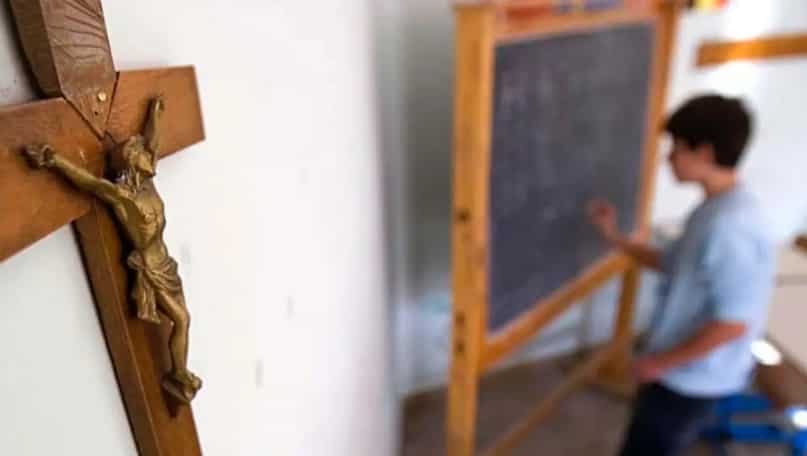
Since its inception, Opus Dei has faced criticism for its secrecy
A four corners investigation into the controversial workings of the religious group Opus Dei was aired on Monday night, which included serious allegations made by dozens of students of a Sydney school. The controversial religious group is known for its secrecy and enjoys massive influence within the Catholic Church. Although Pope John Paul II passed away in 2005 and Pope Benedict XVI resigned in 2013, both of whom had been ardent supporters of Opus Dei, the organisation is still a significant force within the Catholic Church today, led by Pope Francis, a former Jesuit.
What is Opus Dei and who founded it?
Josemara Escrivá, a Spanish Roman Catholic priest who claimed to have had a vision of the creation of Opus Dei from God, founded the organisation in 1928. Throughout his whole life, Escrivá insisted that the birth of the organisation was not his doing but rather divine in origin. Opus Dei actually translates to "Work of God" in Latin.
Its followers are of the view that they are called to serve God by both their personal spiritual actions and their conduct in both their professional and personal life. They adhere to rigid conservative doctrine, often maintain a level of secrecy, and insist on not offering their membership to anyone outside the church.
Why is Opus Dei so controversial?
Since its inception, Opus Dei has faced criticism for its secrecy. Particularly the more liberal Jesuits have compared Opus Dei to the mafia or Freemasons acting within the church. It has come under fire for its hiring tactics, with detractors and former members charging that it aggressively recruits young individuals. Even within Catholics, Opus Dei's ultra-conservative views have stirred some debate.
Who are Opus Dei’s members?
There were 93,510 Opus Dei members worldwide as of 2021, according to the Catholic Church's most recent publication, the Annuario Pontificio (Pontifical Yearbook) for 2022. This number is made up of 91,395 laypeople, or regular, non-clergy members of the church, and 2,115 priests. Australia is home to 650 Opus Dei members, according to estimates. The majority of the group's lay members are super- or numeraries.
The recent controversy around Opus Dei, clash with LGBTQ+ members
Catholic schools in Australia are anticipated to protest against the idea of limiting their hiring and firing authority as part of a reform designed to safeguard LGBTQ+ kids and teachers. The Australian Law Reform Commission published a consultation paper on Tuesday seeking to repeal the Sex Discrimination Act's current exclusions that permit discrimination, which Catholic schools have said would be detrimental to their ethos.