Student with 53 out of 360 in JEE got into Caltech, Princeton, and Stanford, compares Indian exam system with global universities

&imwidth=600&imheight=450&format=webp&quality=medium "Student with 53 out of 360 in JEE got into Caltech, Princeton, and Stanford, compares Indian exam system with global universities")
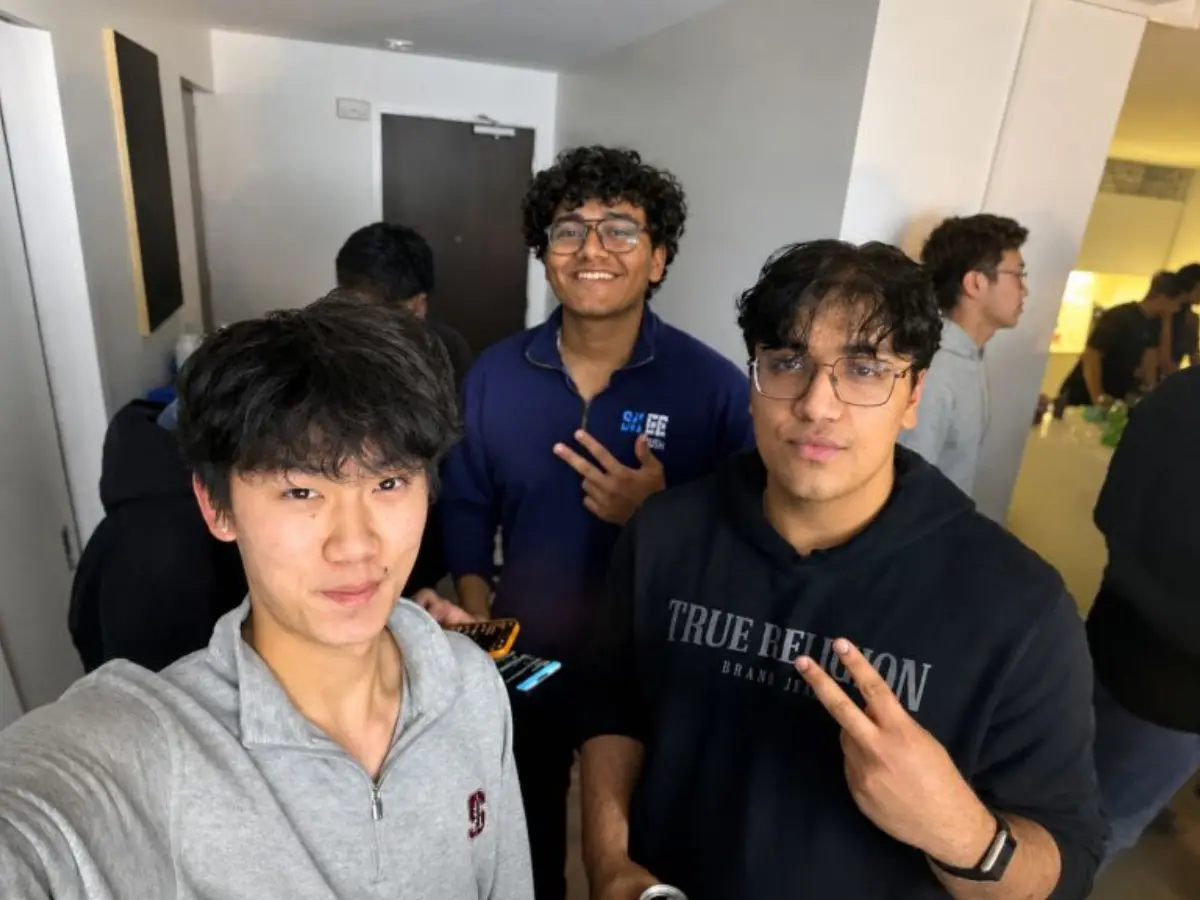
Justin Sato said marks are the only basis to judge Indian students, which leaves out true talent. Photograph: (LinkedIn/Justin Sato)
A student who scored only 53 out of 360 in JEE got into Caltech, Princeton, and Stanford. He shared his story on LinkedIn, and that he is moving his startup to India to use the huge talent that might sometimes fail to gain recognition because of how they are judged here.
A LinkedIn post by physics student Justin Sato is going viral for showing how, after securing extremely low scores in JEE, the exam for Indian Institutes of Technology (IIT), he “got into Caltech, Princeton, and Stanford." Sato's post presented a stark contrast between how students are examined in India and in global universities. He said in the post that he scored only 53 out of 360, about 15% on the Joint Entrance Examination. Since the IIT acceptance rates are below 1%, his score meant he was not even close to getting into the premier engineering institute in India.
In India, JEE decides the potential of a child, and whether or not they are suited for a premier institute like IIT. Students are subjected to the high-pressure test where they are required to showcase their deep knowledge in Physics, Chemistry and Maths. Meanwhile, Sato said that US universities like Stanford, Caltech and Princeton use holistic admissions. In India, it is all about just the exams, while global universities also look at other achievements, such as research, projects and volunteer work.
A low score in a competitive exam is the end-all for students in India who are assumed to be not good enough for elite universities. But universities like Stanford and Princeton look at how the student has grown and evolved over the years. Sato states that "the density of technical talent in India is absurd", and the proof lies in leaders of companies like Google, Microsoft, Micron and Mastercard, which are led by India-born talents. Sato said that he is moving to India and hiring interns.
Sato's post highlights that despite the presence of a massive pool of talent, recognition of Indian talent is reduced to only a few exams. Several people can contribute immensely to research and startups, he said. His story is a testament to the fact that marks alone do not decide your future. Instead of being bogged down by JEE, Sato secured positions in elite international universities.

