Pay for prayer: AI platform lets you have a video call with Jesus Christ for $1.99, and people aren't happy

&imwidth=600&imheight=450&format=webp&quality=medium "Pay for prayer: AI platform lets you have a video call with Jesus Christ for $1.99, and people aren't happy")
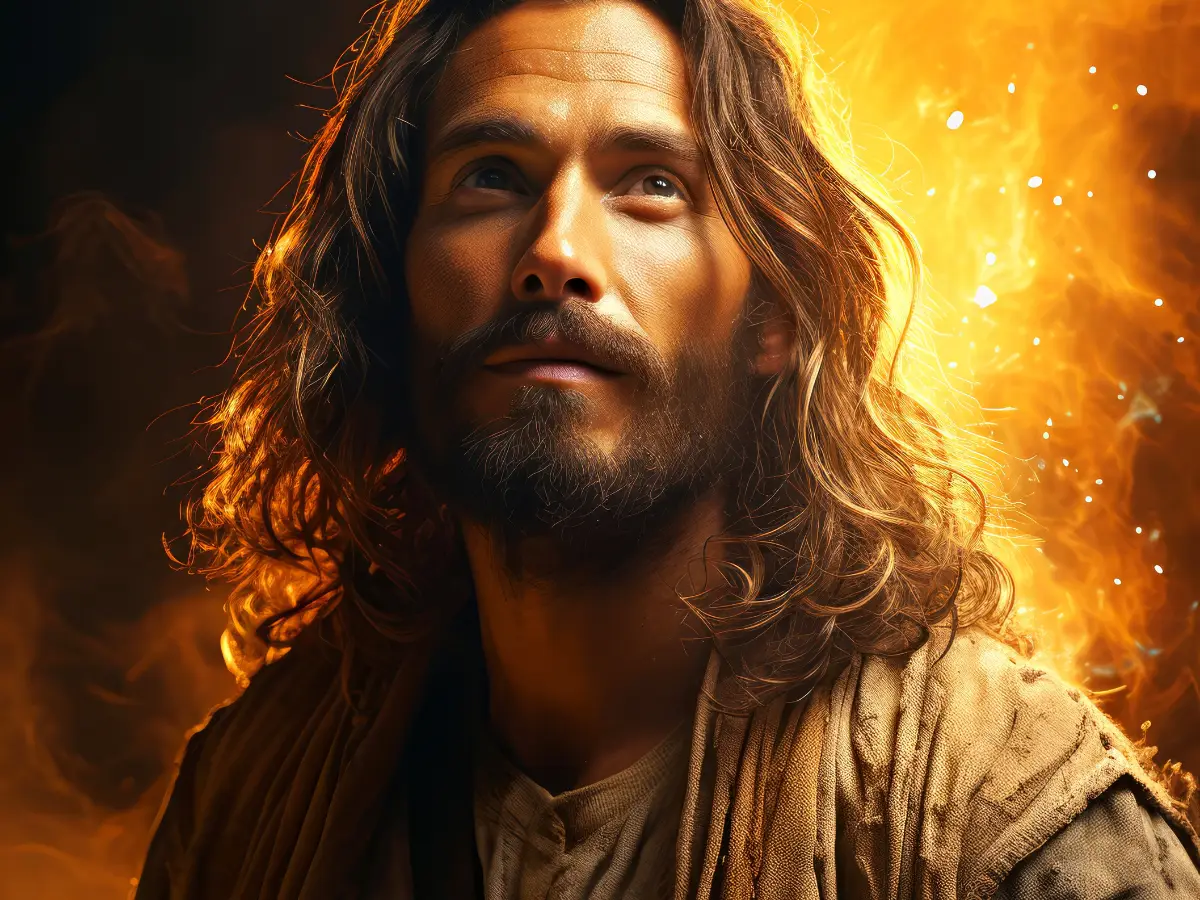
AI image of Jesus Christ Photograph: (Freepik)
An AI chatbot lets you have video calls with Jesus Christ. Well, it is an avatar, but it has triggered debate about where to draw the line when it comes to technology and dealing with people's faith. The service required users to pay a fee, inviting criticism.
A company has triggered debate after launching a service which allows users to talk to Jesus Christ. Just Like Me lets them have video calls with an AI avatar of Christ for $1.99 per minute. Several people have been left a bit uncomfortable as the AI tool creates a weird intersection between faith, technology, and commercialisation. The Christ on the platform is visually modelled after actor Jonathan Roumie (from the TV series The Chosen). You can pay $1.99 per minute for a video call, or choose a monthly package of $49.99 for 45 minutes. The AI is trained on the King James Bible and various sermons. It has prayer and words of encouragement in multiple languages. The avatar glitches a bit, and the lips don’t synchronise all the time. The AI avatar also remembers previous conversations. Chris Breed, CEO of Just Like Me, says people are developing an emotional connection with Christ. "You do feel a little accountable to the AI. They’re your friend. You’ve made an attachment,” he said.
AI for prayer triggers debate
Faith-based generative AI is rapidly growing and is not surprising since chatbots have entered all kinds of fields - from medical advice to therapy, and even becoming a friend you can have conversations with. However, in the religious field, it is raising certain questions as coupling it with technology can change an individual’s relationship with faith. Further, religious leaders and scholars warn that an algorithm—which processes data patterns without consciousness or spiritual agency—cannot provide a genuine "sacramental" experience. Then there is also the fear of "AI hallucinations" as the chatbot can misrepresent scripture or skip core moral teachings.
Critics slam service
The biggest controversy is over paying for praying. The $1.99 price tag for a minute of conversation with God doesn't sit right with most people. Critics on social media have condemned the company as "evil," arguing that real prayer is free and that the app exploits vulnerable people in spiritual need. Digitalising faith has led to anxiety as Pope Leo XIV recently warned that such technologies could negatively impact spiritual development, while other AI religious tools (like Hindu, Buddhist, and Islamic versions) have also faced scrutiny for blurring the line between education and imitation.

