Killer whales may be crashing into boats, sinking them just for fun, new study reveals

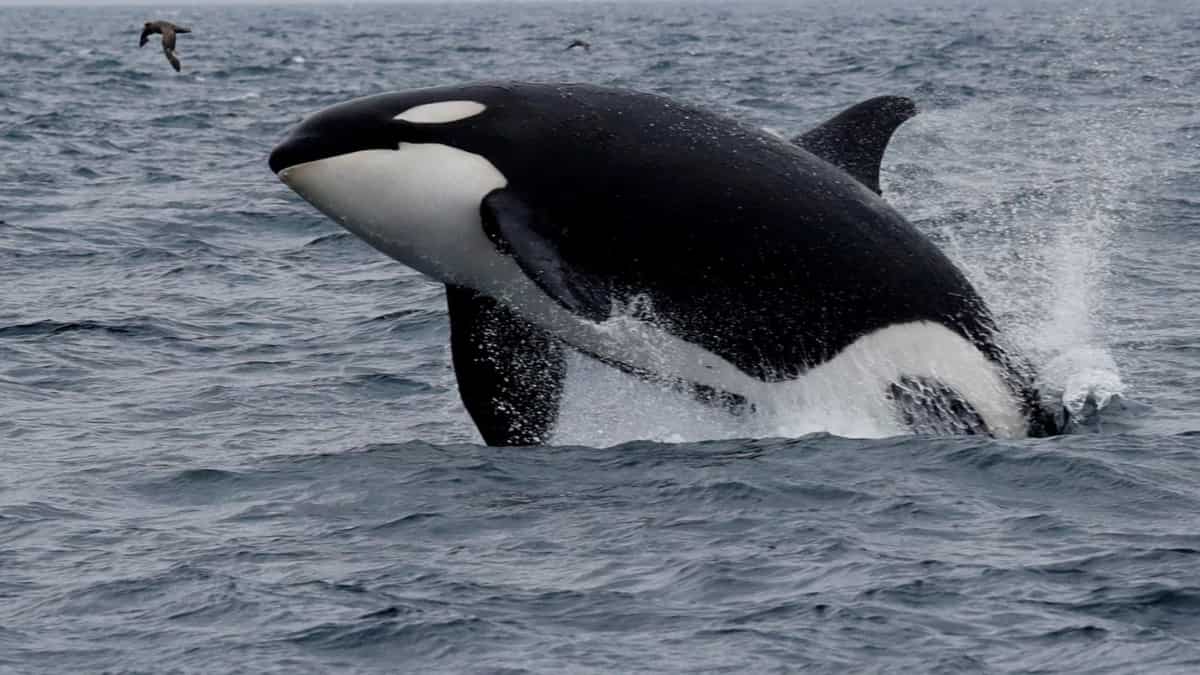
File photo
Orcas crashing into boats and sinking them in the Strait of Gibraltar may just be young killer whales playing around and following a behavioural trend, a marine biologist says.
Since May 2020 researchers have documented nearly 700 incidents of killer whales ramming into boats near the Iberian Peninsula.
The unprecedented attacks on boats by killer whales in this region have left sailors and scientists baffled. The prevailing theory suggests the whales might be learning this behaviour from each other.
Theories trying to explain the odd behaviour have ranged from food shortage – orcas treating the boats as competition for their preferred prey – and the sudden resumption of marine activities after the pandemic.
Leading marine biologist Alex Zerbini, chair of the scientific committee at the International Whaling Commission (IWC), says the killer whale behaviour is most likely to be a new artistic practice without any purpose.
In other words, the orcas may just be following a new fad, scientists now suspect.
The marine biologists’ paper states, “different populations often have different dietary specialisations maintained by cultural communication, and these ‘ecotypes’ typically have a variety of persistent behavioural traditions related to their divergent foraging.”
“Some populations may also develop unusual and temporary behavioural ‘fads’ and other idiosyncrasies that do not appear to serve any obvious adaptive purpose.”
Interestingly, researchers point to a 1987 phenomenon in the South Pacific where young orcas began carrying dead salmon on their heads.
This curious behaviour, with no purpose, eventually spread throughout the entire population. This particular behaviour disappeared soon thereafter, only to return in the summer of 2008 and then disappear once more.
In another case of strange behaviour that appeared and disappeared teenage and adult male orcas have been documented exhibiting a ritualised ramming.
Recent encounters with damaged boats involve young whales, who appear curious and approach slowly, seemingly bumping rudders with their snouts.
“This behaviour of the animals doesnot suggestthat they are being aggressive,” Dr Zerbini told The Washington Post.
“Not all interactions have ended in vessel damage,” the scientists said.
Researchers believe that this new behaviour among orcas may disappear at some point, and could appear again at a later time.
(With inputs from agencies)