IIT Delhi alumna builds battery-powered refrigeration system, cuts cold-chain costs by 75%

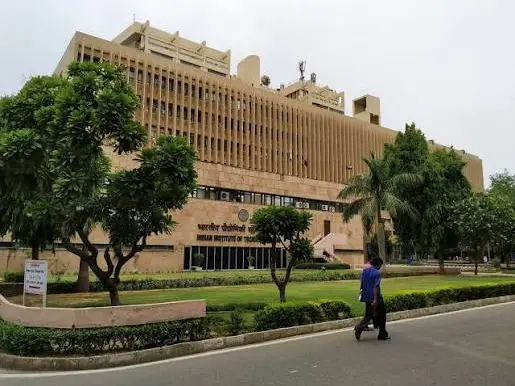&imwidth=600&imheight=450&format=webp&quality=medium "IIT Delhi alumna builds battery-powered refrigeration system, cuts cold-chain costs by 75%")
Representative image. Photograph: (Wikimedia Commons)
The technology is claimed to cut refrigeration operating costs by about 75 per cent. Each unit can prevent around three to 36 tonnes of carbon dioxide emissions per year, depending on its usage.
An IIT Delhi alumna and her team have developed a refrigeration system designed to keep biodegradable goods cold without depending on a truck's engine. The developed technology focuses on reducing diesel consumption and refrigeration costs in India's cold-chain sector, as a shortage of storage and transport infrastructure can cause substantial food wastage.
The post shared by a man on social media platform X highlighted the work of Shaivee Malik, a 25-year-old biotechnology graduate from the Indian Institute of Technology Delhi, who co-founded Yotuh Energy with former teammates Vivek Mahindrakar and Dharmik Bapodara.
The post claimed that Malik got interested in engineering solutions while participating in IIT Delhi's Formula Racing team, Axlr8r, where she worked as associate team captain. Her experience, along with the joint cooperation of Mahindrakar and Bapodara, helped the development of practical engineering skills.
The trio later turned their attention to climate-related challenges, focusing on India's cold chain sector after identifying it as an area where substantial losses occur despite receiving relatively less attention. In 2022, they founded Yotuh Energy and registered the company in Delhi before relocating to Chennai for an incubation programme at IIT Madras. Interestingly, the company's name is derived from Sanskrit and refers to the act of cleaning.
Lithium-ion battery powers the system
The company's primary product is a refrigeration system powered by its own lithium-ion battery instead of the truck's engine. This enables the refrigeration unit to continue functioning even when the vehicle's engine is turned off, helping eliminate diesel consumption during idling. The system can also maintain cooling if the vehicle breaks down.
Door-mounted sensors detect when the doors are opened and automatically adjust the cooling. Since the refrigeration unit functions independently of the vehicle's engine, it can be fitted on both conventional diesel trucks and electric vehicles. A single charge can power the system for approximately six to eight hours.
The technology is claimed to cut refrigeration operating costs by about 75 per cent. According to information shared in the X post, each unit can prevent around three to 36 tonnes of carbon dioxide emissions per year, depending on its usage. The system is designed to tackle a key issue with conventional refrigerated transportation, where cooling equipment is often powered by the truck's engine and continues to consume diesel even while the vehicle is stationary.

